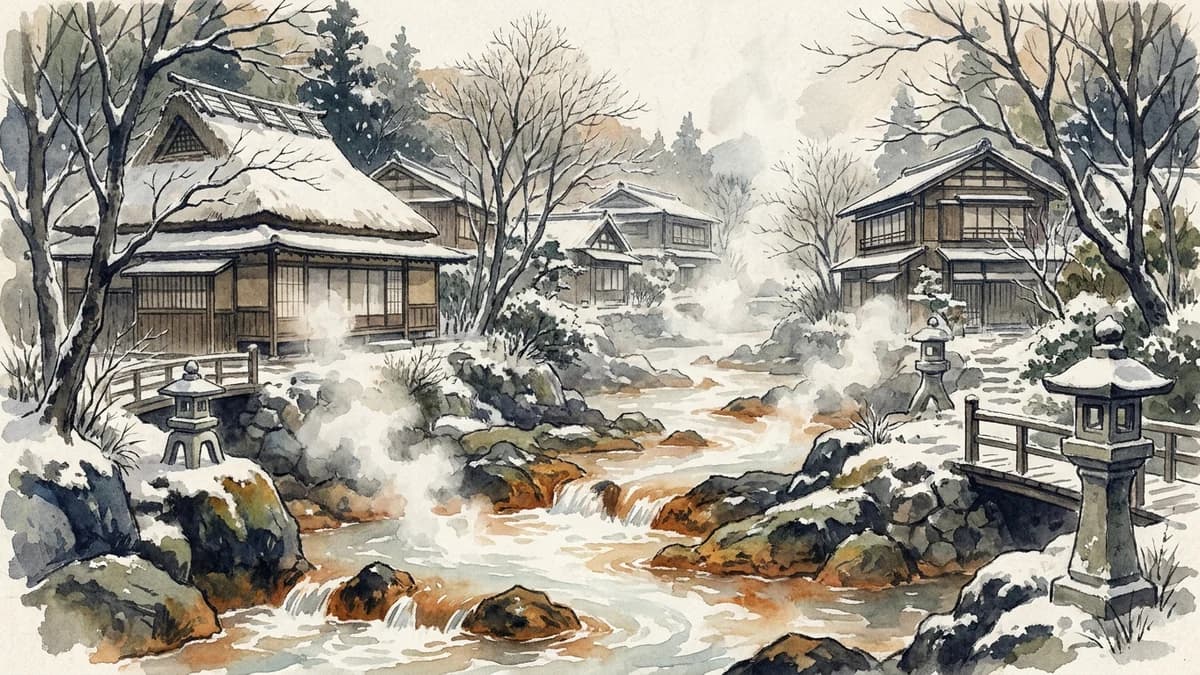
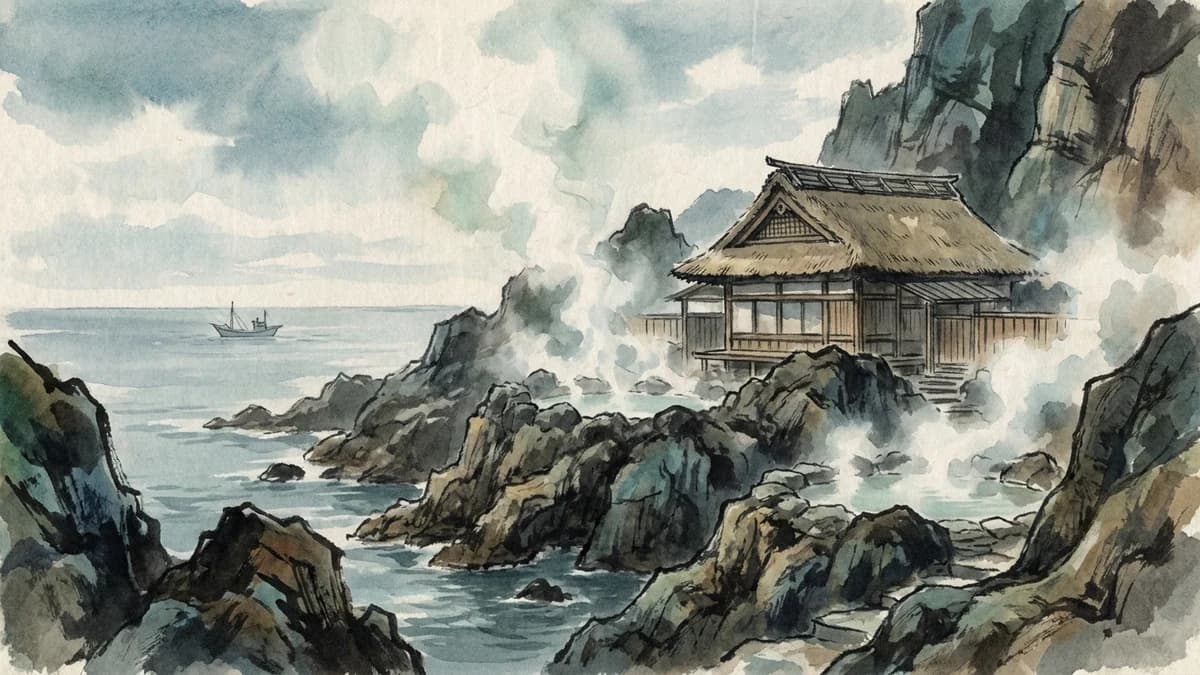
Tamagawa Onsen is known for its Acidic Spring; listed indications for this spring type include Dry Skin / Atopy. Choose from 2 inns with a hot-spring analysis on file, filtering by spring type, benefits and amenities, and book directly.
See inns in Tamagawa OnsenOn this page you can filter Tamagawa Onsen inns by spring type, benefits, tattoo-friendly, private bath and in-room open-air bath, and book on each property's Agoda or Rakuten page.
Compare & book inns in Tamagawa Onsen


Awaiting analysis(1)
Overview
Situated within Towada-Hachimantai National Park on the border of Akita and Iwate prefectures, Tamagawa Onsen is a historic therapeutic spa known since the Edo period. Its source, "Obuke," boasts the highest flow rate in Japan, gushing 9,000 liters of 98°C water per minute with a thunderous roar—a truly spectacular sight.
Another major feature of this onsen is the formation of Hokutolite, a rare radioactive mineral. Designated as a Special Natural Monument, its trace amounts of radiation are believed to have positive health effects. Many visitors come for its therapeutic benefits, often through natural rock saunas (ganban'yoku), making this a special place to experience the power of nature.
Key Spring Qualities & Indications
The water at Tamagawa Onsen is an "Acidic spring" primarily composed of hydrochloric acid, with an extremely low pH of 1.2. This powerful sterilizing property, combined with its nature as a "Radioactive spring" containing trace radiation, creates a truly unique bathing experience. Caution is needed due to the strong stimulation, but this quality is believed to offer various benefits.
- Atopic dermatitisThe strong acidity of the water is said to have a powerful sterilizing effect, and atopic dermatitis is listed among the indications for acidic springs.
- Psoriasis vulgarisAs a highly acidic spring with a potent sterilizing effect, the water is considered helpful for various chronic skin ailments. The unique properties of the water are believed to have a positive influence on affected skin.
- Impaired glucose tolerance (Diabetes)
- Hyperuricemia (Gout)
- Rheumatoid arthritisThe geothermal heat of the onsen, often experienced through traditional rock bathing (ganbanyoku), helps to warm the body from its core. This warming effect may help improve circulation and alleviate joint pain and stiffness.
- Decreased gastrointestinal function
Water Characteristics & Best Season
The baths are fed by 100% free-flowing spring water, drawn directly from the 98°C source. Due to the extreme heat, baths are prepared with temperature adjustments. The highly acidic water can cause a tingling sensation and will sting if it gets in your eyes. It's recommended to start with short dips to acclimate your body to the water.
The best time to visit is from early summer to autumn (June to October), when the fresh greenery and fall foliage are beautiful. However, from late November to mid-April, the main road is closed due to heavy snow, severely limiting access. Always check transportation status when planning a winter trip.
Access
Nearby Attractions & Local Cuisine
- Tamagawa Onsen Nature Study Path (view the Obuke source and rock saunas)
- Lake Tazawa (Japan's deepest and most mysterious lake)
- Kakunodate Samurai Residence Street (the "Little Kyoto of Michinoku")
- Hachimantai Dragon Eye (a stunning natural phenomenon in late May-early June)
- Goshogake Onsen (famous for its mud baths)
- Kiritanpo Nabe (a local hot pot with pounded rice skewers)
- Inaniwa Udon (one of Japan's three famous udon noodles)
MORE WITH THE SAME SPRING TYPE
Loved the Acidic Spring of Tamagawa Onsen? Try these too
Picked from onsen across Japan where you can enjoy the same Acidic Spring.


Q & A
Frequently Asked Questions
Tap any question to expand the answer
Can I narrow down to only inns with a hot-spring analysis in Tamagawa Onsen?
Can I find tattoo-friendly inns with private baths or in-room open-air baths in Tamagawa Onsen?
Onsen towns are often rural with patchy Wi-Fi and limited public transport. Sort out data, tours and a car before you go.
- Japan eSIMAiralo
- Japan eSIMYesim
- Tours, passes & transfersGetYourGuide
- Tours, passes & transfersKKday
- Car rentalDiscover Cars
Includes affiliate links
References
Famous Onsen Areas with Acidic Spring
Check access and tourist information on each onsen area column
Related Articles