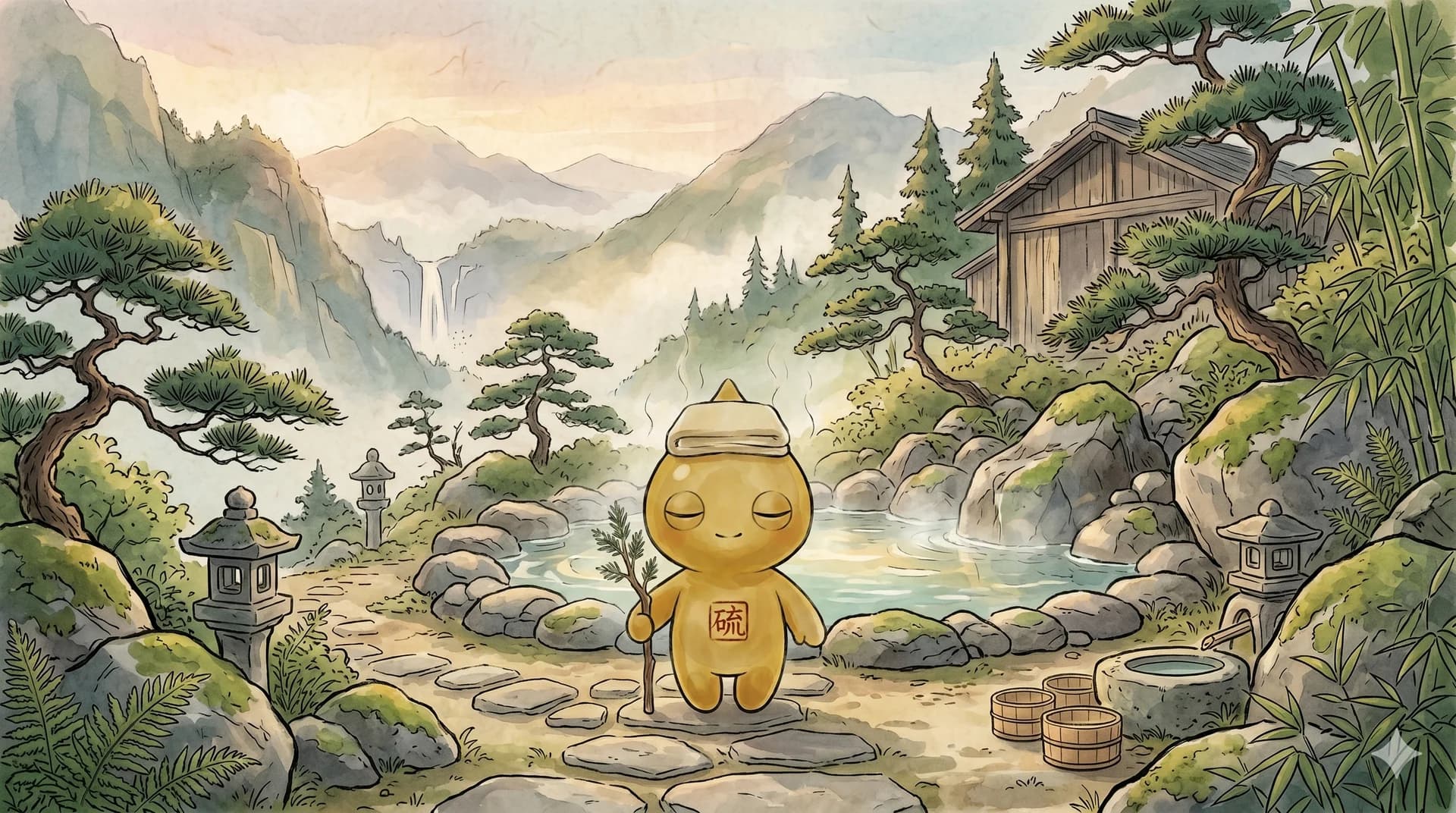
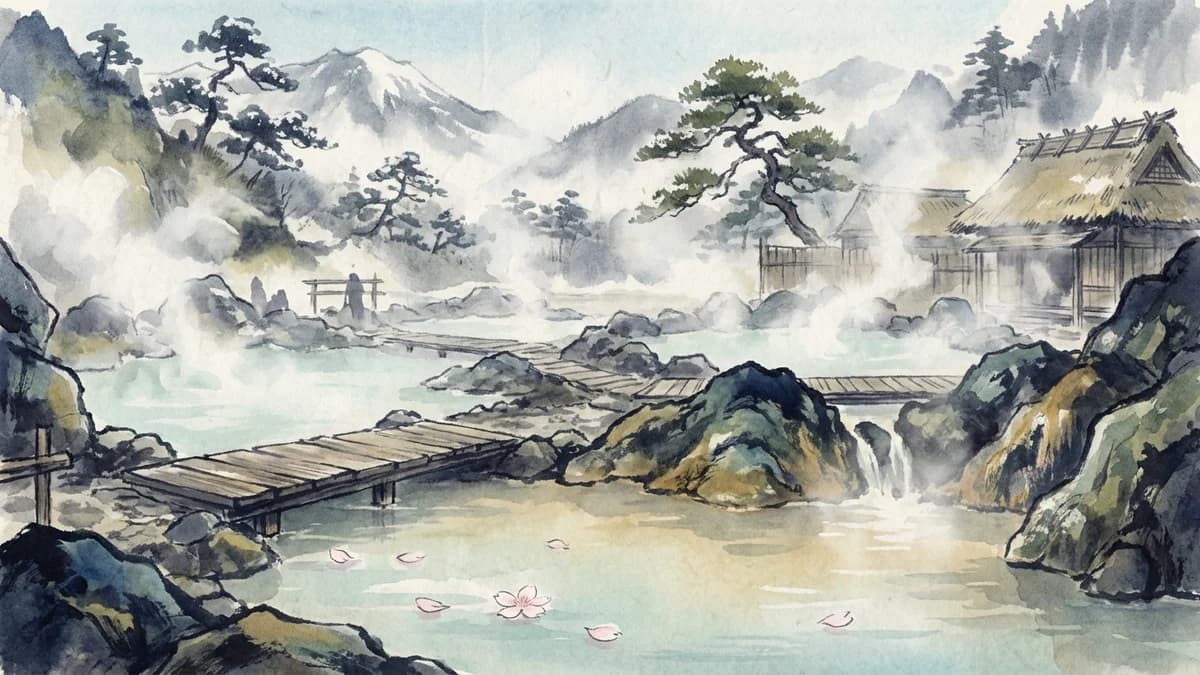
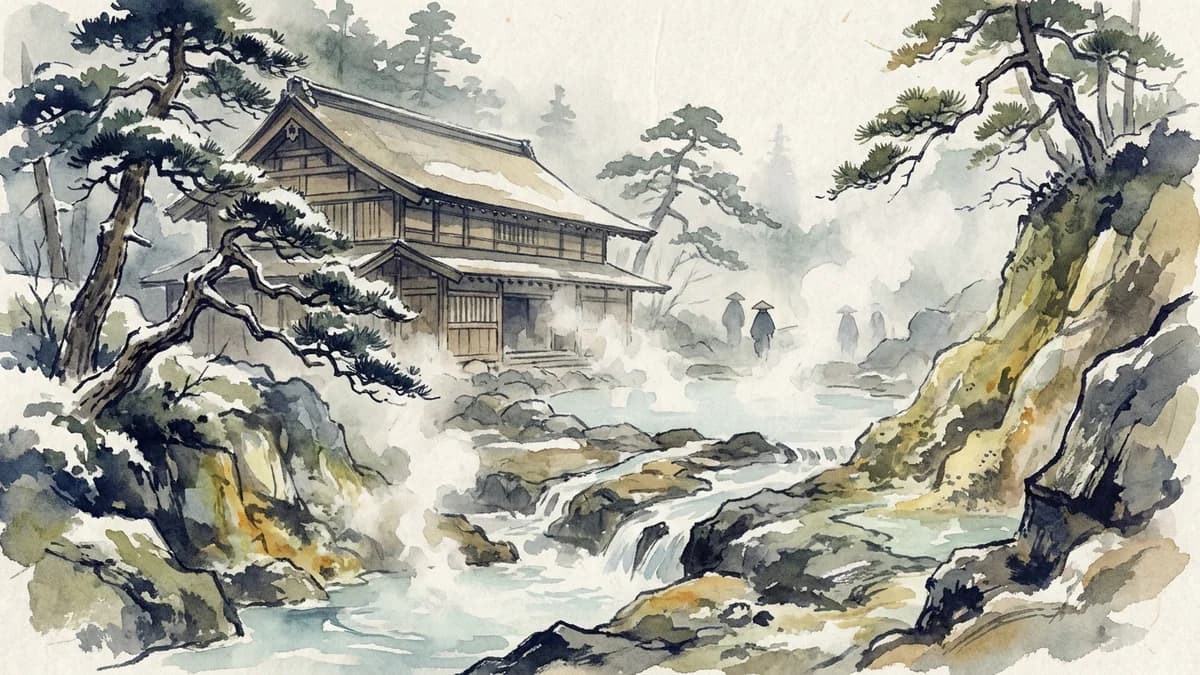
Tsuta Onsen is known for its Sulfate Spring; listed indications for this spring type include Skin Beauty, Wound Healing. Choose from 1 inns with a hot-spring analysis on file, filtering by spring type, benefits and amenities, and book directly.
See inns in Tsuta OnsenOn this page you can filter Tsuta Onsen inns by spring type, benefits, tattoo-friendly, private bath and in-room open-air bath, and book on each property's Agoda or Rakuten page.
Compare & book inns in Tsuta Onsen

Overview
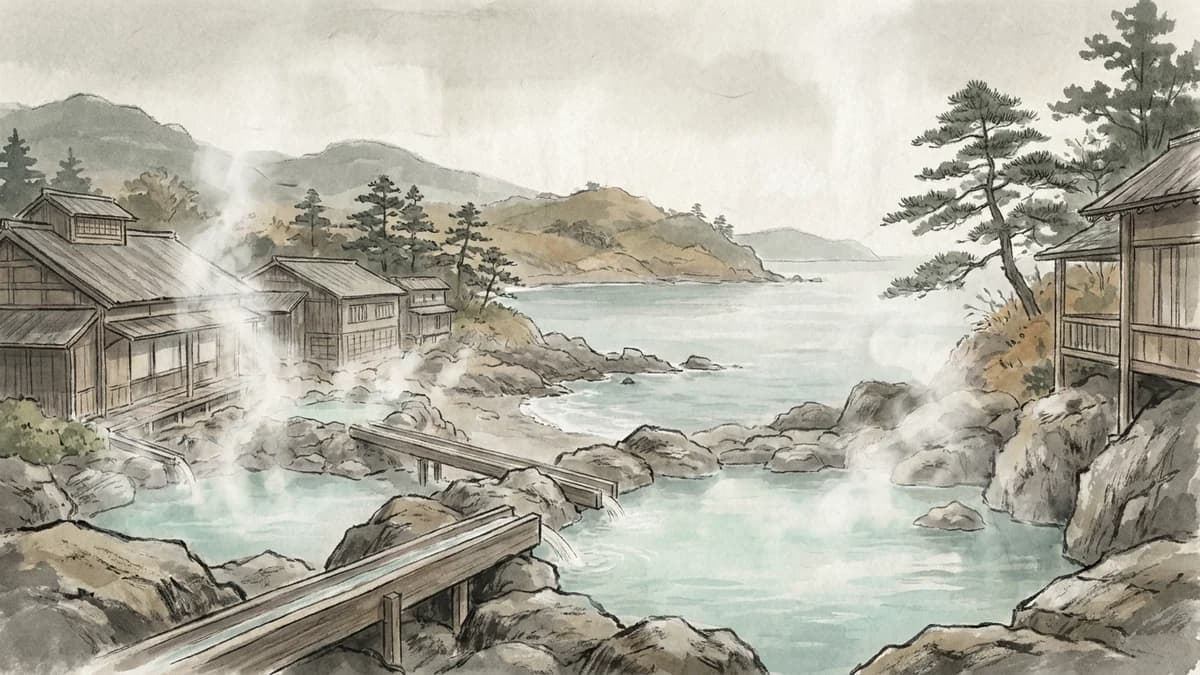
Tsuta Onsen is located in Towada City, Aomori Prefecture, surrounded by the rich nature of Towada-Hachimantai National Park. Its history dates back to 1186, during the late Heian period, and it has been cherished as a therapeutic hot spring (tōji) ever since.
The onsen is also known as the place where the Meiji-era writer Keigetsu Omachi, who deeply loved the area, spent his final years. The single inn, Tsuta Onsen Ryokan, quietly stands in the primeval beech forest, preserving its history and charm. Its most remarkable feature is the 'sokoyu-waki' bath, where the spring water bubbles up directly from between the floorboards of the tub. This allows you to feel the freshest possible onsen water, untouched by air, with your entire body.
Major Spring Types and Indications
The water at Tsuta Onsen is a "Sodium/Calcium – Sulfate, Bicarbonate, Chloride Spring." This rare blend of multiple spring types is gentle on the skin and offers various potential benefits. Sulfate springs moisturize the skin, bicarbonate springs smooth it, and chloride springs provide a deep, lasting warmth.
- CutsThe mineral-rich water, particularly its sulfate components, may help promote the healing of minor abrasions. The warm water is also said to promote blood circulation and support the body's natural recovery process.
- Sensitivity to coldThe spring's sulfate properties are said to promote blood circulation, which warms the body thoroughly from the inside out, and sensitivity to cold is listed among the indications for sulfate springs.
- Dry skinAs a sulfate spring, the water is known for its moisturizing properties, often earning it the name "beauty water" (美肌の湯). The minerals help to form a thin veil on the skin, which aids in retaining moisture and preventing dryness.
- Rheumatoid arthritis
- Peripheral circulatory disorders
Water Characteristics and Best Season
The water at Tsuta Onsen is completely 'gensen kakenagashi'—free-flowing directly from the source with no added water, heating, circulation, or disinfection. The water temperature is slightly hot at around 45°C (113°F), but it feels very soft on the skin, leaving you feeling refreshed afterward. Experiencing the fresh water bubbling from the bottom of the tub is a luxurious way to feel the earth's blessings directly.
The best times to visit are from May to June, when the beech forest is a dazzling fresh green, and from mid-to-late October for the fiery autumn colors of Tsuta-numa Pond. Enjoying a 'yukimi-buro' (snow-viewing bath) in the quiet of the snow-covered winter also has a special charm.
Access
Nearby Sightseeing and Local Cuisine
- Tsuta-numa Pond (Tsuta Seven Lakes): Famous for its stunning autumn foliage at sunrise.
- Oirase Stream: Stroll along the beautiful stream, enjoying waterfalls and currents.
- Lake Towada: Experience the grand caldera lake by tour boat or canoe.
- Hakkoda Ropeway: Offers panoramic views that change with the seasons.
- Jigoku-numa (Hell Pond): A spot where you can feel the volcanic activity of Mt. Hakkoda.
- Towada Barayaki: A local specialty of grilled beef and onions with a sweet and savory sauce.
- Senbei-jiru: A regional hot pot dish featuring special 'Nanbu senbei' rice crackers.
- Aomori Apples: Enjoy seasonal apples and various sweets like apple pie.
MORE WITH THE SAME SPRING TYPE
Loved the Sulphate Spring of Tsuta Onsen? Try these too
Picked from onsen across Japan where you can enjoy the same Sulphate Spring.




Q & A
Frequently Asked Questions
Tap any question to expand the answer
Can I narrow down to only inns with a hot-spring analysis in Tsuta Onsen?
Can I find tattoo-friendly inns with private baths or in-room open-air baths in Tsuta Onsen?
Onsen towns are often rural with patchy Wi-Fi and limited public transport. Sort out data, tours and a car before you go.
- Japan eSIMAiralo
- Japan eSIMYesim
- Tours, passes & transfersGetYourGuide
- Tours, passes & transfersKKday
- Car rentalDiscover Cars
Includes affiliate links
References
Famous Onsen Areas with Sulphate Spring
Check access and tourist information on each onsen area column
Related Articles