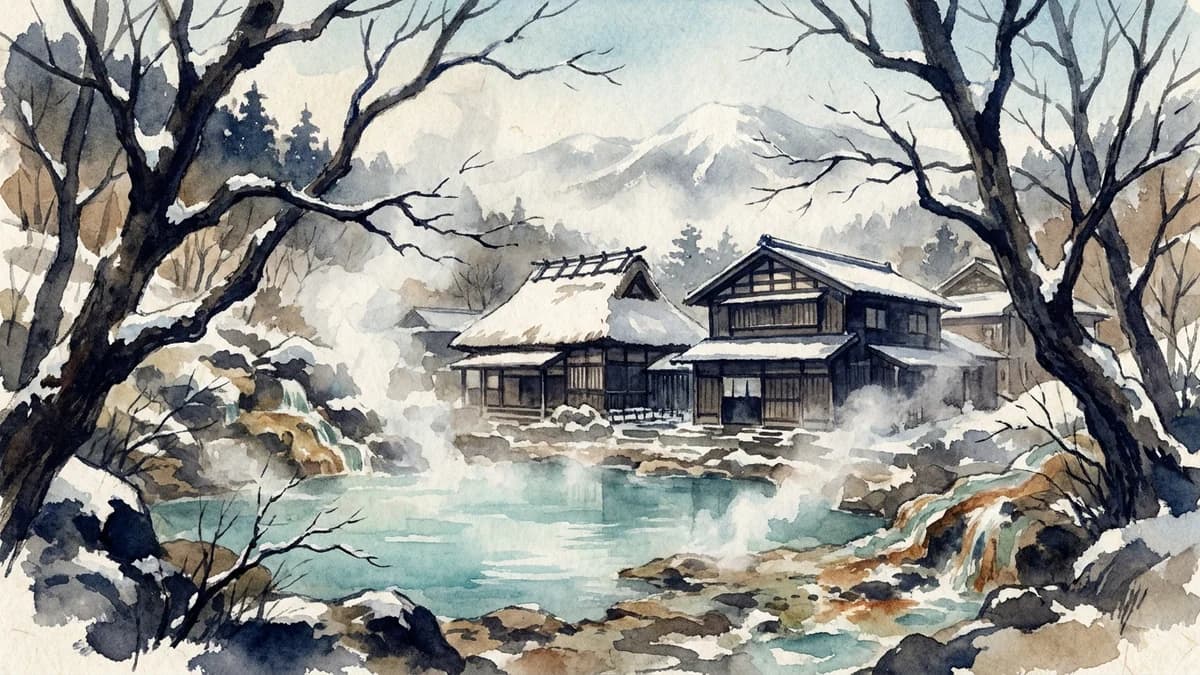
Sukayu Onsen is known for its Acidic Spring; listed indications for this spring type include Dry Skin / Atopy. Choose from 1 inns with a hot-spring analysis on file, filtering by spring type, benefits and amenities, and book directly.
See inns in Sukayu OnsenOn this page you can filter Sukayu Onsen inns by spring type, benefits, tattoo-friendly, private bath and in-room open-air bath, and book on each property's Agoda or Rakuten page.
Compare & book inns in Sukayu Onsen
Awaiting analysis(4)
Overview
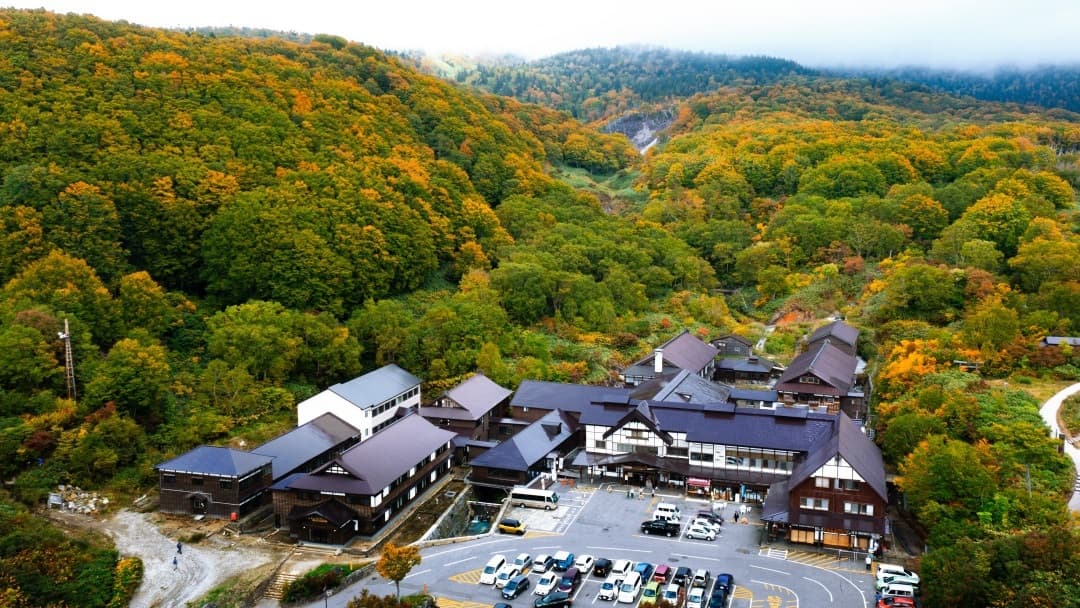
Sukayu Onsen is a single-inn hot spring resort located at an altitude of about 900 meters in the Hakkoda Mountains of Aomori Prefecture. Its history dates back to 1684 in the early Edo period. It was originally named "Shika-no-yu" (Deer's Bath) after a deer was seen healing its wounds in the spring.
In 1954, in recognition of its excellent therapeutic properties and rich natural environment, it became the first hot spring in Japan to be designated as a National Hot Spring Health Resort. The culture of "toji" (hot spring healing), which focuses on the curative power of the springs, is still very much alive, with many visitors staying for extended periods for physical and mental recuperation. The area is also known for its extremely heavy snowfall, offering a magical snow-viewing bath experience in winter.
Spring Quality & Benefits
The water is classified as an "acidic, iron- and sulfur-containing, aluminum-sulfate-chloride spring," characterized by its strong acidity with a pH below 2.0. The milky-white water has a distinct sulfur smell and is said to have high sterilizing properties. This potent water quality has long been sought after to help with various skin conditions.
- Atopic dermatitisThe spring's strong acidity is said to have a sterilizing effect, and it has traditionally been used for skin diseases. Atopic dermatitis is listed among the indications for acidic springs.
- Psoriasis vulgarisThe water's highly acidic and sulfurous properties are believed to help manage chronic skin conditions. Its sterilizing effect may assist in alleviating the symptoms of psoriasis, a long-standing indication for this onsen.
- Chronic eczema
- Impaired glucose tolerance (Diabetes)Bathing in sulfur-rich springs is a traditional therapy for this indication in Japan. The minerals in the water are thought to have a beneficial effect on the body's metabolic functions, which may help regulate blood sugar levels.
- Peripheral circulatory disturbanceThe thermal properties of the hot spring water can help improve blood flow throughout the body. This warming effect promotes vasodilation, which can enhance circulation to the extremities.
Water Characteristics & Best Season
The symbol of Sukayu Onsen is the "Hiba Senninburo" (Thousand-Person Cypress Bath), a grand bathhouse made entirely of Hiba cypress. The vast, 265-square-meter space is completely pillar-less and features baths of different temperatures. All baths are fed by free-flowing water directly from the source. Soaking in the milky water offers a true escape from the hustle and bustle of daily life.
The best times to visit are early summer (June-July) when the beech forests are a vibrant green, or autumn (late September to mid-October) when the Hakkoda Mountains are ablaze with color. While winter brings heavy snow, a quiet bath while gazing at the snow-covered landscape is an exceptional experience. However, be sure to check road conditions in advance, as access can be limited during winter.
Nearby Attractions & Local Cuisine
- Hakkoda Ropeway: Famous for stunning summit views and "snow monsters" (frost-covered trees) in winter.
- Oirase Stream: A beautiful mountain stream flowing from Lake Towada.
- Lake Towada: A vast caldera lake offering boat tours.
- Jigoku Numa (Hell Pond): A pond created by volcanic activity, located near the onsen.
- Jogakura Bridge: Japan's longest deck arch bridge, offering spectacular views.Spanning the Jogakura Gorge, this bridge offers panoramic vistas of the surrounding landscape, which is especially stunning during the autumn color season. It provides a dramatic viewpoint of the valley below.
- Sukayu Soba & Ginger Miso Oden: Local specialties available at the onsen's shop.
- Seafood in Aomori City: Savor fresh scallops, squid, and other local catches.
MORE WITH THE SAME SPRING TYPE
Loved the Acidic Spring of Sukayu Onsen? Try these too
Picked from onsen across Japan where you can enjoy the same Acidic Spring.



Q & A
Frequently Asked Questions
Tap any question to expand the answer
Can I narrow down to only inns with a hot-spring analysis in Sukayu Onsen?
Can I find tattoo-friendly inns with private baths or in-room open-air baths in Sukayu Onsen?
Onsen towns are often rural with patchy Wi-Fi and limited public transport. Sort out data, tours and a car before you go.
- Japan eSIMAiralo
- Japan eSIMYesim
- Tours, passes & transfersGetYourGuide
- Tours, passes & transfersKKday
- Car rentalDiscover Cars
Includes affiliate links
References
Famous Onsen Areas with Acidic Spring
Check access and tourist information on each onsen area column
Related Articles