Dake Onsen is known for its Sulfur Spring; listed indications for this spring type include Dry Skin / Atopy, Asthma. Choose from 1 inns with a hot-spring analysis on file, filtering by spring type, benefits and amenities, and book directly.
See inns in Dake OnsenOn this page you can filter Dake Onsen inns by spring type, benefits, tattoo-friendly, private bath and in-room open-air bath, and book on each property's Agoda or Rakuten page.
Compare & book inns in Dake Onsen

Awaiting analysis(3)
Overview
Dake Onsen is a hot spring village located at an altitude of about 450 meters on Mt. Iwaki, a beautiful peak often called the 'Tsugaru Fuji,' in the southwest of Hirosaki, Aomori Prefecture. Its history dates back to the mid-Edo period (about 300 years ago), when it was reportedly discovered by hunters heading into the mountains. Since then, it has been a beloved 'toji' (therapeutic spa) destination for people seeking its potent waters.
The onsen town is dotted with a few ryokans (traditional inns) and hotels, retaining a classic atmosphere. Its most defining feature is the milky, cloudy water with a distinct sulfur smell. There are multiple spring sources, and one of the charms is that the color and composition of the water can vary slightly between facilities. Nestled in the quiet mountains, it's the perfect place to refresh your mind and body away from the hustle and bustle of daily life.
Typical Spring Quality and Indications
The waters of Dake Onsen primarily combine the properties of sulfur and acidic springs. Sulfur springs, with their characteristic aroma, are expected to promote blood circulation and warm the body. They are also called 'springs for blemish prevention' due to their action of breaking down melanin. Acidic springs are known for their high sterilizing properties and are considered beneficial for skin issues like atopic dermatitis. These combined qualities support its reputation as a therapeutic spa.
- Atopic dermatitisThe rich sulfur and acidic properties of the water are traditionally associated with skin conditions, and atopic dermatitis is listed among the indications for both sulfur and acidic springs.
- Psoriasis vulgarisAs a sulfur spring, the waters are traditionally associated with various skin ailments, and psoriasis vulgaris is listed among the indications for sulfur springs.
- Chronic eczemaThe onsen's high sulfur content is traditionally associated with persistent skin problems, and chronic eczema is listed among the indications for sulfur springs.
- Peripheral circulatory disorders
- Impaired glucose tolerance (Diabetes)Onsen bathing is often used as a complementary practice for metabolic conditions in Japan, and impaired glucose tolerance (diabetes) is listed among the general indications for bathing. The thermal effects are said to promote circulation.
Water Characteristics & Best Season
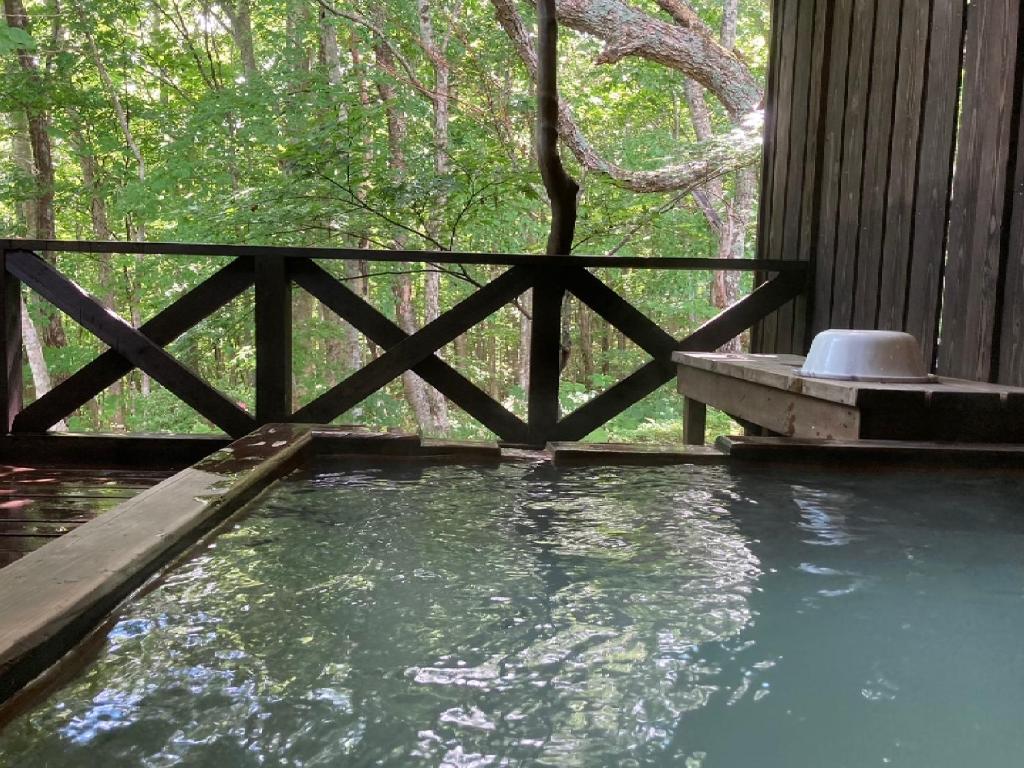
The water is milky white, sometimes so dense that you can't see the bottom of the bath. The source temperatures are relatively high, but each facility adjusts them to a comfortable bathing temperature. Many inns use a 'gensen kakenagashi' system, where fresh spring water flows directly into the baths, allowing you to enjoy its full power. The water is reputed to leave your skin feeling smooth.
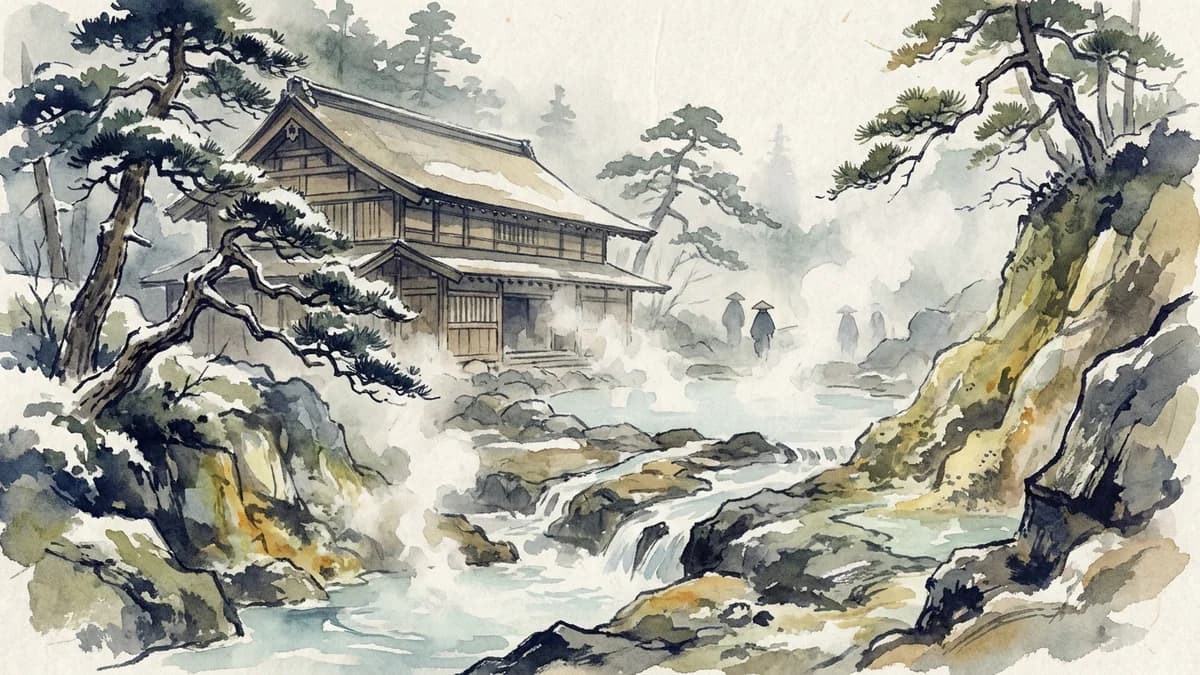
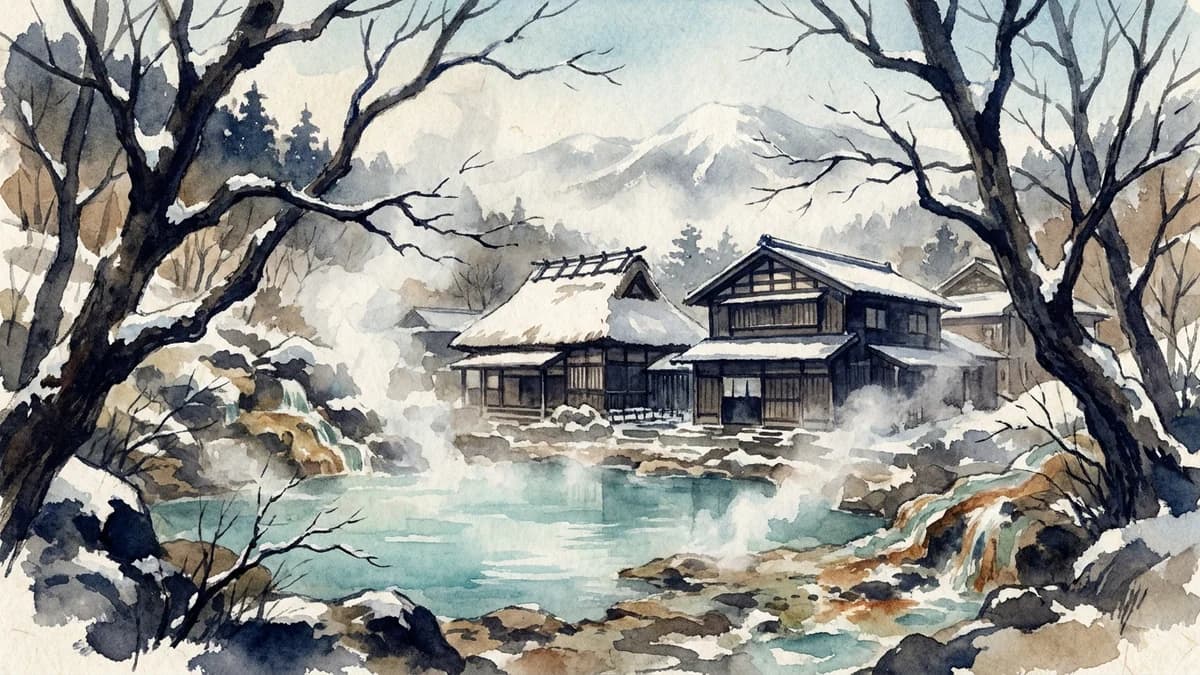
While Dake Onsen can be enjoyed year-round, the best time to visit is from summer to autumn. In summer, the cool highland climate is perfect for escaping the heat, and it's the season for the local specialty corn, 'Dake-kimi.' In autumn, Mt. Iwaki is adorned with beautiful fall foliage, offering stunning views along with your soak. Winters are marked by deep snow, but an outdoor bath in the quiet, snowy landscape is a special experience.
Access
Nearby Sightseeing & Local Cuisine
- Mt. Iwaki (Hiking, trekking, and a scenic drive up to the 8th station)
- Iwakisan Shrine (A powerful spiritual spot nestled at the mountain's base)
- Dake-kimi Corn (An incredibly sweet brand of corn, in season from late August to September)
- Apple Picking (A classic Aomori autumn experience)
- Hirosaki Park & Castle (One of Japan's top cherry blossom spots, about a 40-min drive)
- Shirakami-Sanchi (A UNESCO World Natural Heritage site; visitor center is about a 1-hour drive)
- Tsugaru-han Neputa Village (Experience Hirosaki culture with Neputa floats and live Tsugaru-shamisen music)
- Apple Pie (Compare different versions at cafes and bakeries throughout Hirosaki city)
MORE WITH THE SAME SPRING TYPE
Loved the Sulphur Spring of Dake Onsen? Try these too
Picked from onsen across Japan where you can enjoy the same Sulphur Spring.



Q & A
Frequently Asked Questions
Tap any question to expand the answer
Can I narrow down to only inns with a hot-spring analysis in Dake Onsen?
Can I find tattoo-friendly inns with private baths or in-room open-air baths in Dake Onsen?
Onsen towns are often rural with patchy Wi-Fi and limited public transport. Sort out data, tours and a car before you go.
- Japan eSIMAiralo
- Japan eSIMYesim
- Tours, passes & transfersGetYourGuide
- Tours, passes & transfersKKday
- Car rentalDiscover Cars
Includes affiliate links
References
Famous Onsen Areas with Sulphur Spring
Check access and tourist information on each onsen area column
Related Articles