Shirahone Onsen is known for its Sulfur Spring; listed indications for this spring type include Dry Skin / Atopy, Asthma. Choose from 1 inns with a hot-spring analysis on file, filtering by spring type, benefits and amenities, and book directly.
See inns in Shirahone OnsenOn this page you can filter Shirahone Onsen inns by spring type, benefits, tattoo-friendly, private bath and in-room open-air bath, and book on each property's Agoda or Rakuten page.
Compare & book inns in Shirahone Onsen

Awaiting analysis(3)
Overview
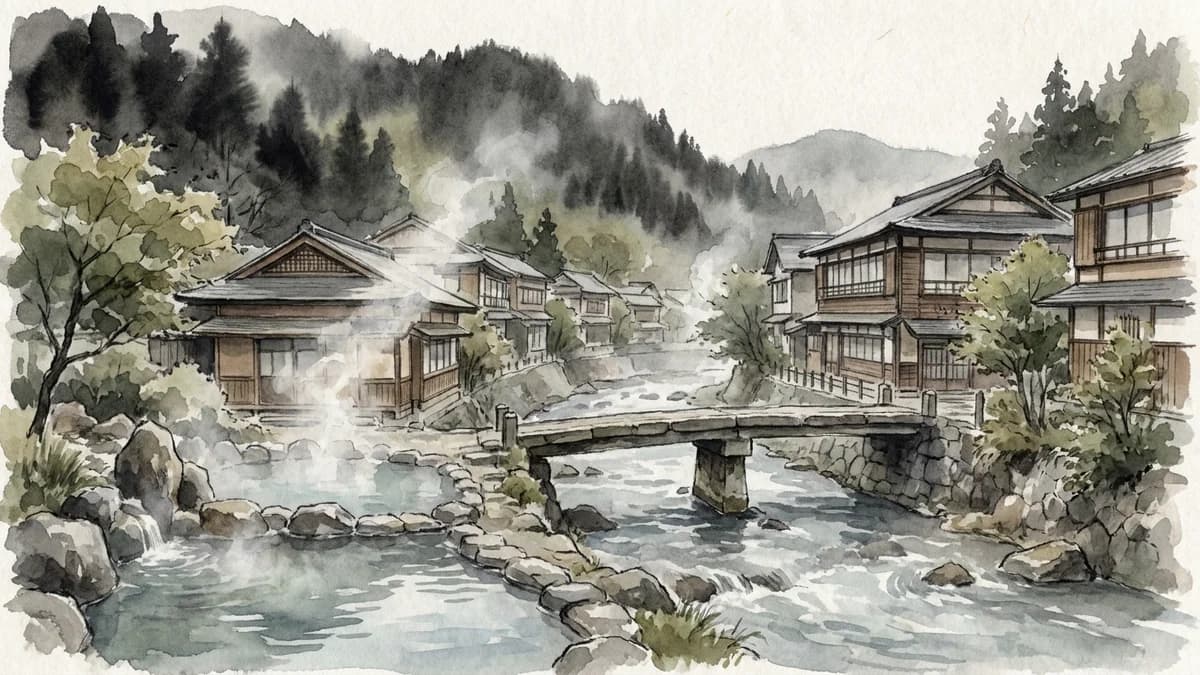
The history of Shirahone Onsen dates back to the Kamakura period (1185-1333). Legends also claim it was a secret spa for the warlord Takeda Shingen, used to heal the wounds of his samurai. The name "Shirahone," meaning "white bone," is said to come from the lime deposits that coat the bathtubs, resembling white bones.
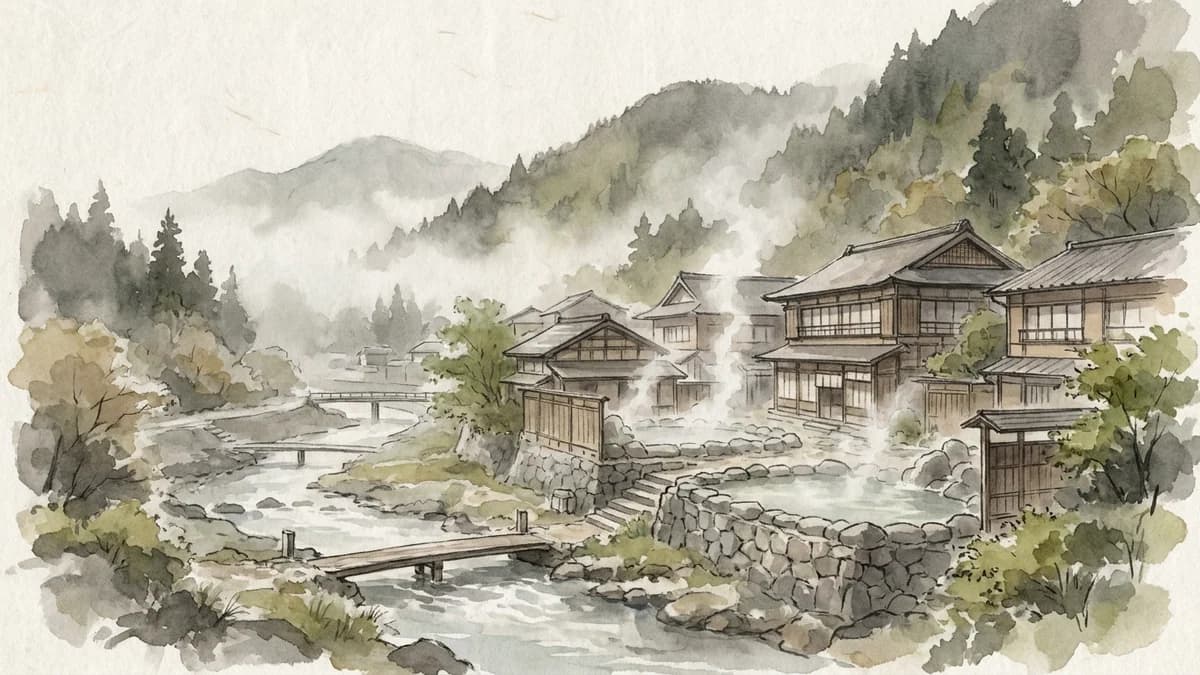
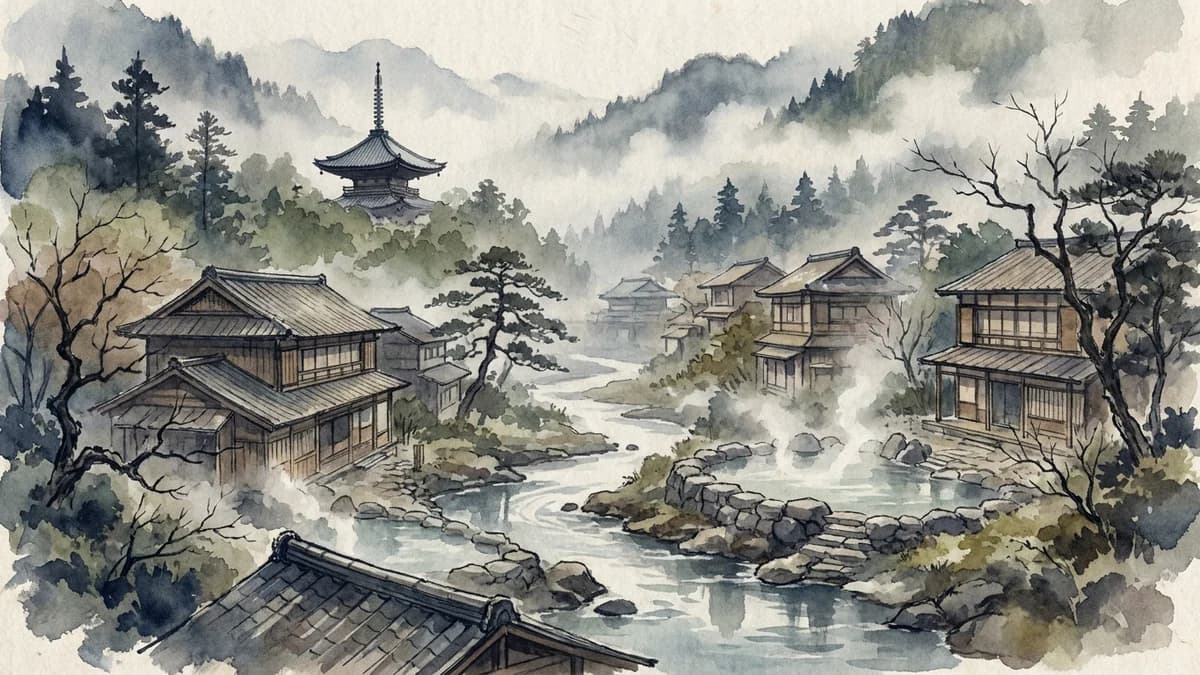
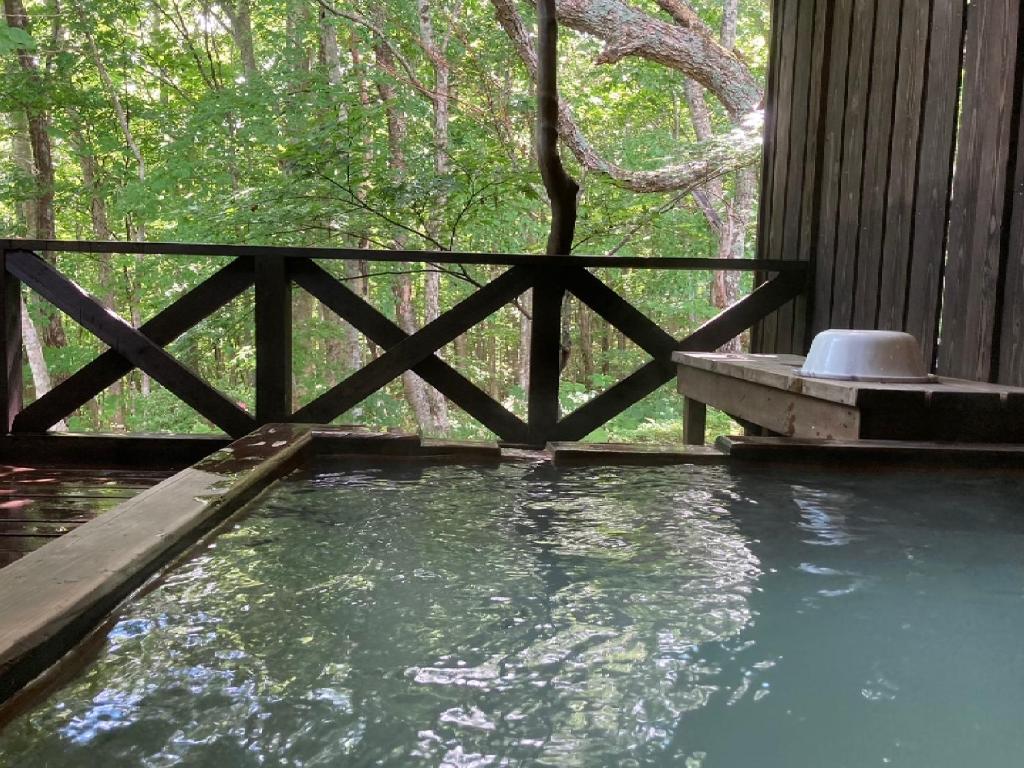
Its most defining feature is the mystical water that turns milky white upon contact with air. It emerges from the ground clear and colorless, but a chemical reaction between the hydrogen sulfide and calcium carbonate in the water causes it to become cloudy. This unique color provides a visual sense of healing and escape. Surrounded by the beautiful nature of the Yukawa Valley, you can enjoy bathing while taking in the scenery of each season.
Key Spring Qualities and Health Benefits
The official classification is a "Sulfur-containing Calcium/Magnesium Bicarbonate Spring." It combines the properties of both sulfur and bicarbonate springs. The sulfur content is believed to improve blood circulation and soften the skin's outer layer, while bicarbonate springs are known as "bijin-no-yu" (waters of beautiful skin) for their skin-smoothing effects.
- Gastrointestinal hypofunction
- Chronic eczemaThe sulfur compounds in the water may offer relief for chronic skin conditions. Bathing in these mineral-rich waters is believed to help soothe irritated skin and is often sought for its dermatological benefits.
- Atopic dermatitisAs with other chronic skin ailments, atopic dermatitis is listed among the indications for sulfur springs such as Shirahone's. The gentle, mineral-rich water is said to feel soft on the skin.
- Cuts
- Sensitivity to coldThe spring is said to promote circulation, and sensitivity to cold is listed among the indications for bicarbonate springs. The bicarbonate elements help warm the body from the core, providing a lasting sense of warmth.
- Dry skin
Water Characteristics and Best Season to Visit
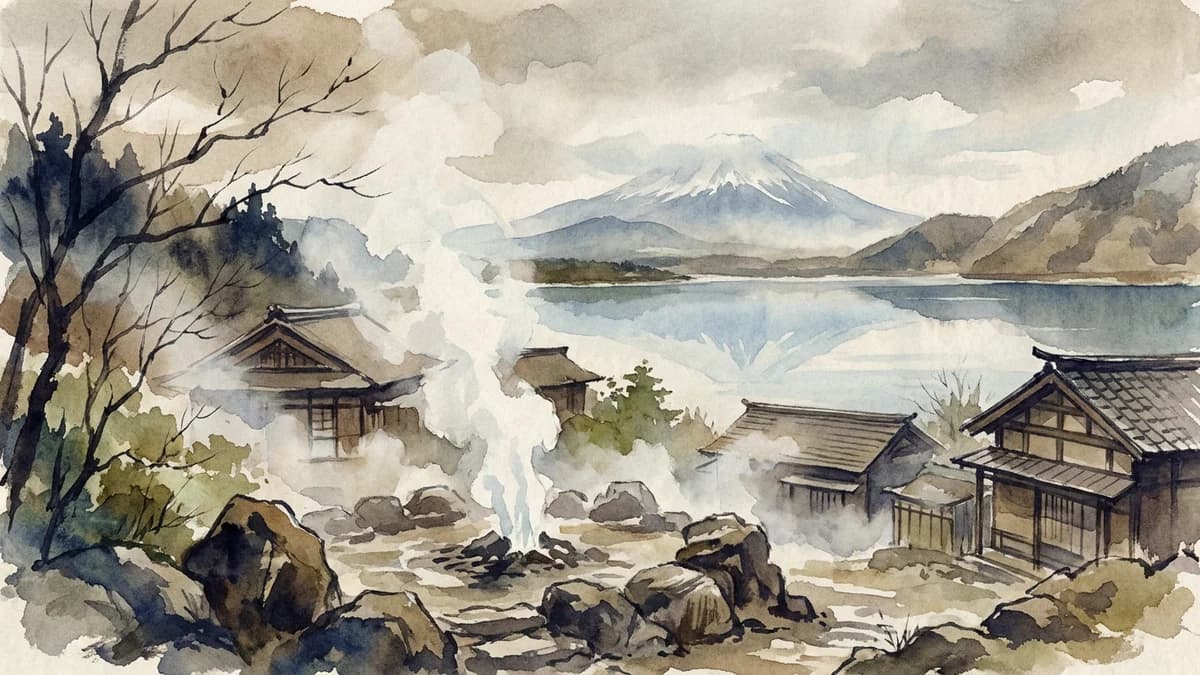
The water is neutral with a pH of around 6.5, making it gentle on the skin. The source temperature is about 40-50°C (104-122°F), and many inns offer it as "gensen kakenagashi"—free-flowing directly from the source without added water or heating. Mineral deposits, or "yunohana," settle at the bottom of the tubs, and stirring them makes the water even whiter. The distinct sulfur aroma enhances the onsen experience.
The best times to visit are from May to July for the brilliant fresh greenery, and around October for the autumn foliage that colors the valley. Winter offers a magical experience of bathing in the snow (yukimi-buro), but be sure to have winter tires or chains for your car.
Access
Nearby Sightseeing & Local Cuisine
- Kamikochi: One of Japan's most scenic mountain resorts. About 45 mins by car (private cars restricted).
- Norikura Highlands: A highland resort for hiking and skiing.
- Matsumoto Castle: Japan's oldest existing five-storied castle keep, a National Treasure.
- Shinshu Soba: Flavorful buckwheat noodles from Nagano's cool climate.
- Sanzoku-yaki: A local dish from the Matsumoto area of garlic-marinated fried chicken.
- Iwana (Char) Cuisine: Grilled fresh river fish or its bones steeped in sake (kotsuzake).
- Oyaki: Dumplings made of wheat or buckwheat flour, stuffed with vegetables or sweet bean paste.
MORE WITH THE SAME SPRING TYPE
Loved the Sulphur Spring of Shirahone Onsen? Try these too
Picked from onsen across Japan where you can enjoy the same Sulphur Spring.




Q & A
Frequently Asked Questions
Tap any question to expand the answer
Can I narrow down to only inns with a hot-spring analysis in Shirahone Onsen?
Can I find tattoo-friendly inns with private baths or in-room open-air baths in Shirahone Onsen?
Onsen towns are often rural with patchy Wi-Fi and limited public transport. Sort out data, tours and a car before you go.
- Japan eSIMAiralo
- Japan eSIMYesim
- Tours, passes & transfersGetYourGuide
- Tours, passes & transfersKKday
- Car rentalDiscover Cars
Includes affiliate links
References
Famous Onsen Areas with Sulphur Spring
Check access and tourist information on each onsen area column
Related Articles