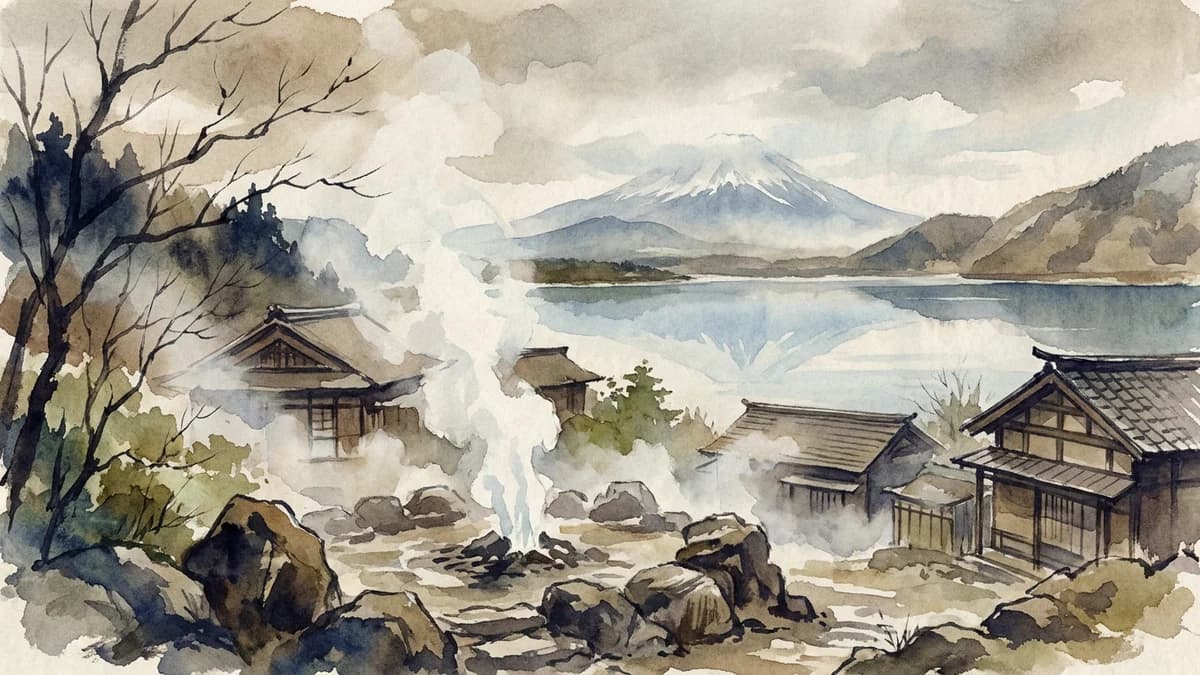
Togura Kamiyamada Onsen is known for its Simple Hot Spring; listed indications for this spring type include Fatigue, Insomnia. Choose an inn by spring type, benefits and amenities, and book directly.
See inns in Togura Kamiyamada OnsenOn this page you can filter Togura Kamiyamada Onsen inns by spring type, benefits, tattoo-friendly, private bath and in-room open-air bath, and book on each property's Agoda or Rakuten page.
Compare & book inns in Togura Kamiyamada Onsen
Awaiting analysis(12)
Overview
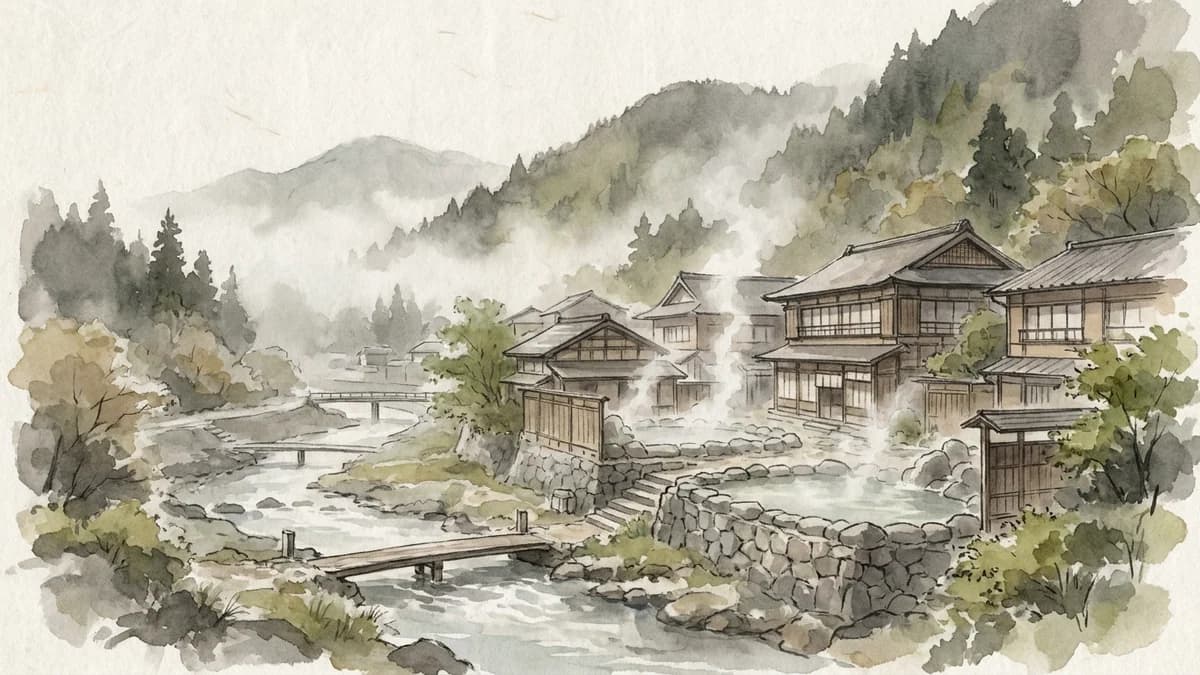
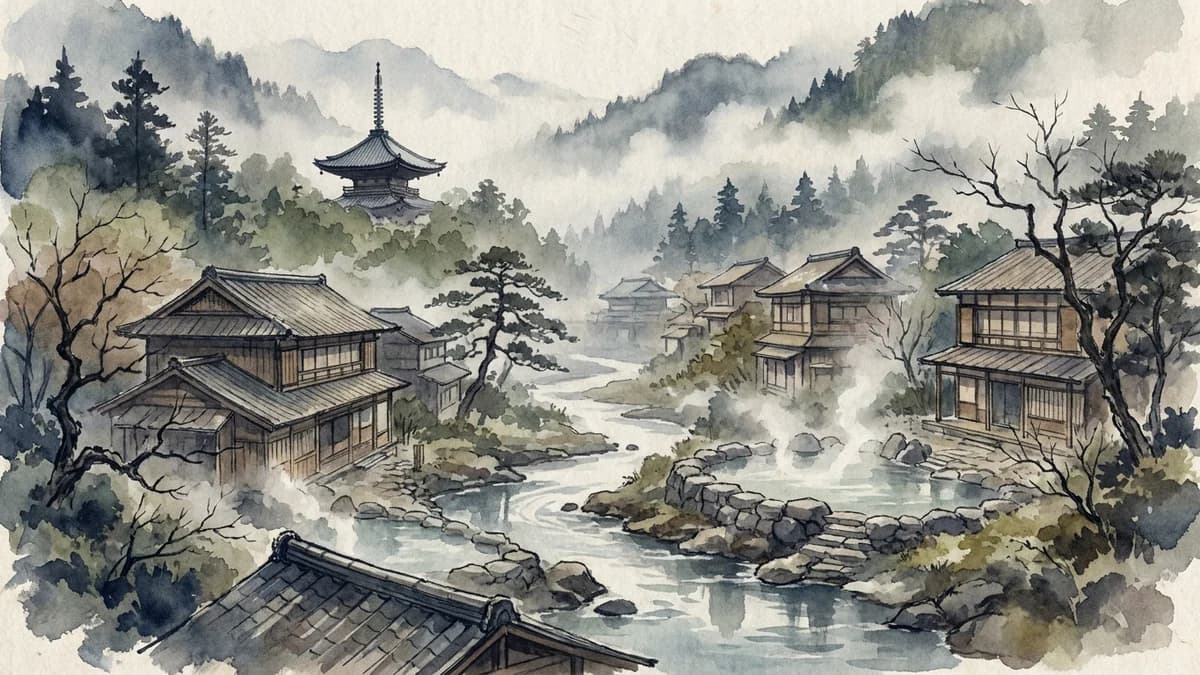
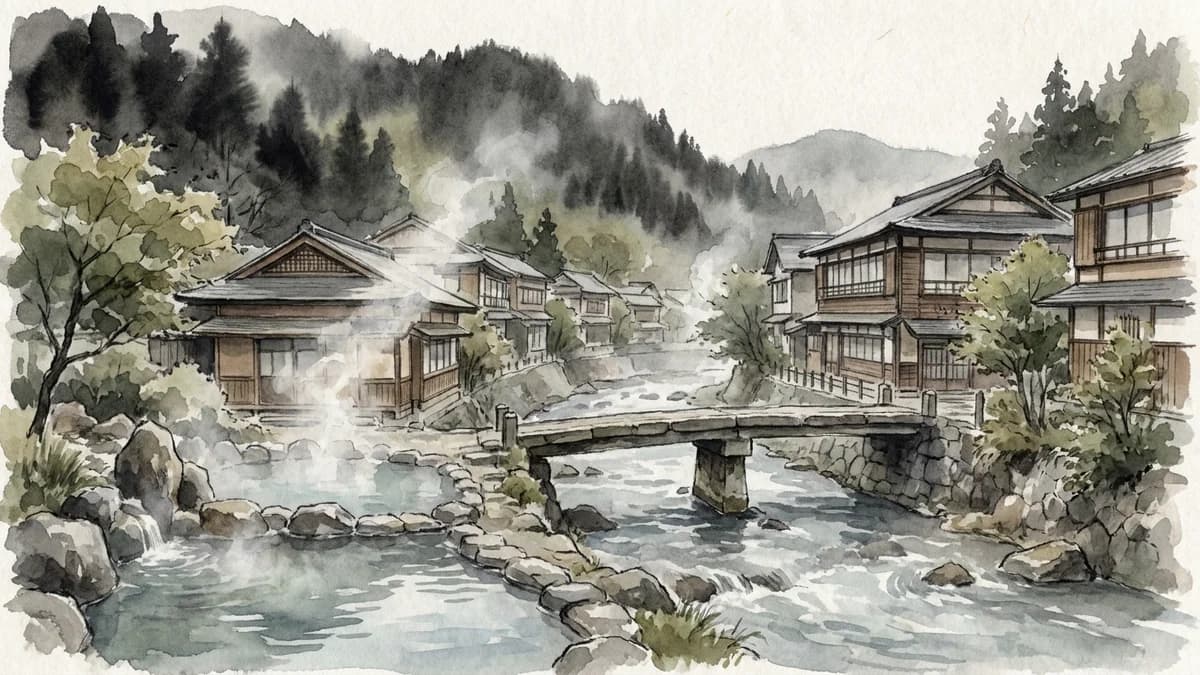
Togura Kamiyamada Onsen is a hot spring resort located along the Chikuma River in Chikuma City, Nagano Prefecture. Its history began in 1893 when a hot spring source was discovered on the riverbed. Since then, it has flourished as an onsen with an abundant water supply, particularly popular as a place for pilgrims to relax and unwind after visiting Zenko-ji Temple in Nagano, a practice known as "shojin-otoshi."
The onsen town has over 100 spring sources, dotted with numerous ryokans (traditional inns) and day-use onsen facilities. The nostalgic streets, lined with shooting galleries and small bars, preserve the atmosphere of a Showa-era spa town, making it a delightful place for a stroll. In recent years, its retro charm has been rediscovered by both domestic and international tourists, bringing new vitality to the area.
Signature Spring Qualities & Benefits
The main spring type is "Alkaline Simple Sulfur Onsen." It has a faint sulfur scent and is characterized by a high alkalinity with a pH of 8.5 or more. This property is said to soften and help remove old keratin from the skin, leading to a smooth feeling after bathing. For this reason, it has long been known as "Bijin-no-yu" (water for beautiful skin).
- Atopic dermatitisThe spring's gentle, alkaline water is known to be less irritating to the skin, and atopic dermatitis is listed among the indications for sulfur springs such as the area's simple sulfur springs.
- Psoriasis vulgarisThe water's high alkalinity is said to have a cleansing effect, helping to gently remove the buildup of old skin cells and scales. This may help soften the skin and alleviate symptoms.
- Chronic eczemaThe soft, alkaline water is gentle on sensitive skin, and chronic eczema is listed among the indications for sulfur springs. Its cleansing properties can also help maintain skin hygiene without harsh irritation.
- Dry skinKnown as a "beauty skin spring," the water's alkaline properties give it a smooth feel that can leave the skin feeling smoother and more supple after bathing.
- CutsBathing in simple sulfur springs is traditionally indicated for minor skin abrasions and cuts. The water's gentle properties may support the natural healing process for superficial wounds.
- Impaired glucose tolerance (Diabetes)
- Poor circulation
- Autonomic instability
- Insomnia
Water Characteristics & Best Season
Togura Kamiyamada Onsen boasts a plentiful supply of hot spring water, and many facilities offer "gensen kakenagashi"—baths filled with free-flowing water directly from the source. The source temperature is around 40-50°C (104-122°F), and many inns allow guests to enjoy high-quality water without any added water or heating. The water is clear and colorless, but you may see white mineral deposits, known as "yunohana," at the bottom of the tub.
While the onsen can be enjoyed year-round, the best times to visit are when the surrounding nature is at its most beautiful. In spring, the "Anzu no Sato" (Apricot Village) is covered with the blossoms of 100,000 apricot trees. In autumn, the fall foliage of the mountains reflects on the Chikuma River. An open-air bath in a snowy winter landscape is also an exceptional experience.
Nearby Attractions & Local Cuisine
- Zenko-ji Temple (Nagano City)
- Obasute Rice Terraces (Tagoto no Tsuki)
- Anzu no Sato (Apricot Village)
- Ueda Castle Ruins Park (Ueda City)
- Matsumoto Castle (Matsumoto City)
- Oshibori Udon (Udon noodles with a spicy daikon radish dip)
- Shinshu Soba Noodles
- Local Sake and Wine
MORE WITH THE SAME SPRING TYPE
Loved the Simple Spring of Togura Kamiyamada Onsen? Try these too
Picked from onsen across Japan where you can enjoy the same Simple Spring.



Q & A
Frequently Asked Questions
Tap any question to expand the answer
Can I narrow down to only inns with a hot-spring analysis in Togura Kamiyamada Onsen?
Can I find tattoo-friendly inns with private baths or in-room open-air baths in Togura Kamiyamada Onsen?
Onsen towns are often rural with patchy Wi-Fi and limited public transport. Sort out data, tours and a car before you go.
- Japan eSIMAiralo
- Japan eSIMYesim
- Tours, passes & transfersGetYourGuide
- Tours, passes & transfersKKday
- Car rentalDiscover Cars
Includes affiliate links
References
Famous Onsen Areas with Simple Spring
Check access and tourist information on each onsen area column
Related Articles