Atami Onsen is known for its Chloride Spring; listed indications for this spring type include Skin Beauty, Wound Healing. Choose an inn by spring type, benefits and amenities, and book directly.
See inns in Atami OnsenOn this page you can filter Atami Onsen inns by spring type, benefits, tattoo-friendly, private bath and in-room open-air bath, and book on each property's Agoda or Rakuten page.
Compare & book inns in Atami Onsen
Awaiting analysis(36)
Overview
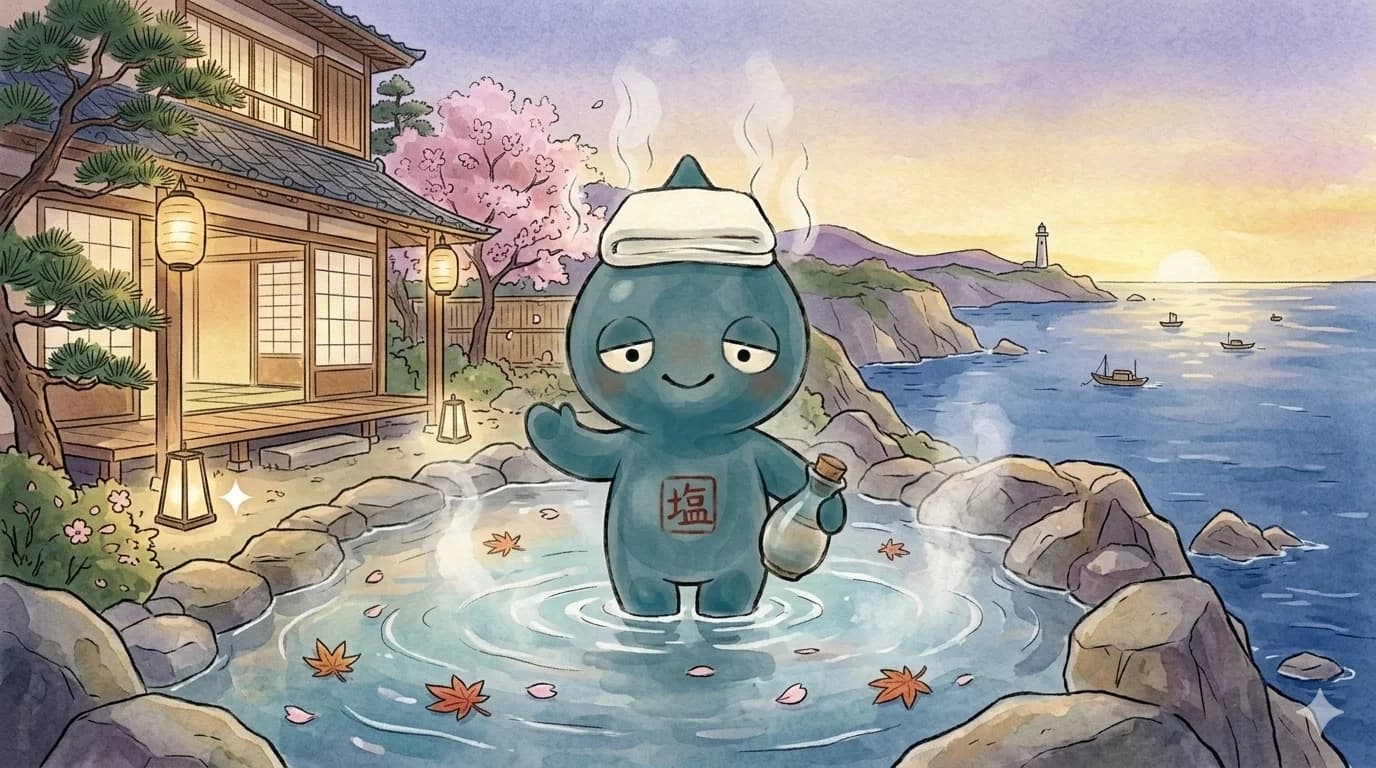
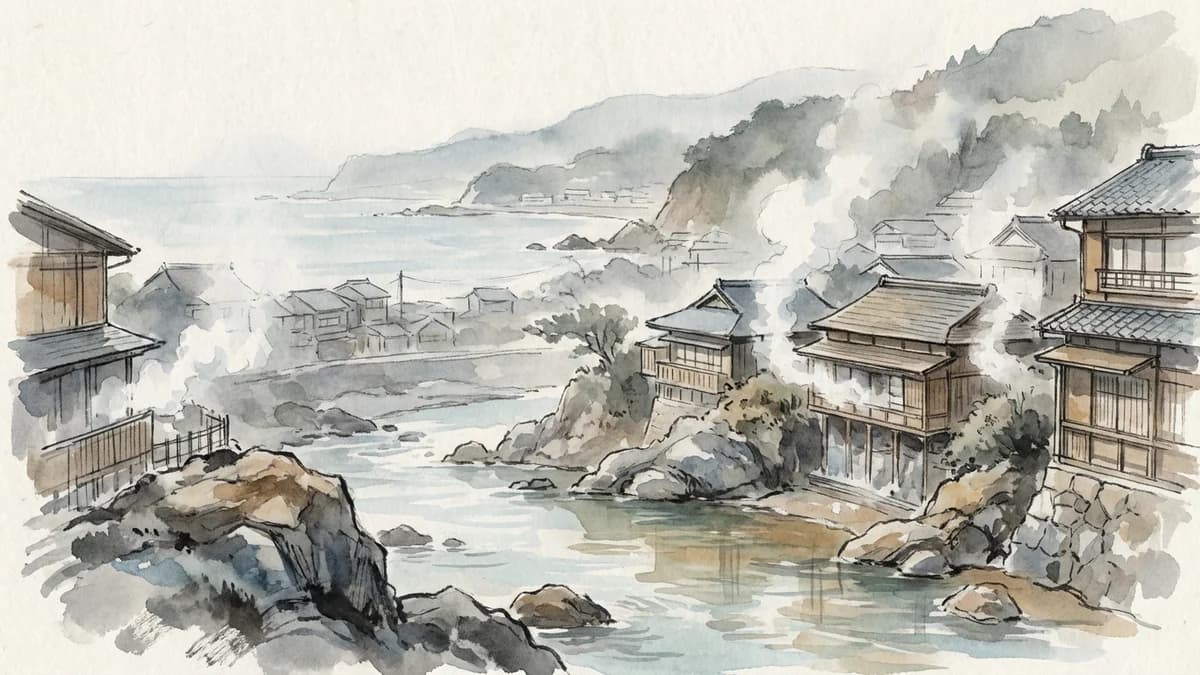
The history of Atami Onsen dates back some 1,500 years, with a legend from Yuzen Shrine telling of hot water gushing from the sea. In the Edo period, the shogun Tokugawa Ieyasu was fond of the waters, and had them transported to Edo Castle in a practice called "Gokumi-yu," which made Atami famous throughout Japan.
Since the Meiji era, it has flourished as a villa and health resort for political and business leaders, as well as literary figures, famously serving as the setting for Ozaki Koyo's novel "The Golden Demon." Today, with over 500 hot spring sources, it boasts one of the largest outputs in Japan. The waters, mainly chloride and sulfate springs, offer excellent restorative warmth and are also expected to help with pain relief for conditions like neuralgia.
Signature Spring Qualities and Benefits
About 90% of Atami's springs are chloride springs (sodium/calcium-chloride). The salt content coats the skin, preventing sweat from evaporating and providing excellent heat retention, earning it the name "Netsu-no-Yu" (Waters of Heat). The water also contains sulfate, which is expected to moisturize the skin.
- CutsThe mineral components in Atami's chloride and sulfate springs may help to gently cleanse the skin. This can support the body's natural healing process for minor, superficial cuts and abrasions.
- Poor circulation
- Sensitivity to coldAtami's chloride springs are famous for their high heat-retention properties. The minerals form a thin veil on the skin, which helps prevent body heat from escaping and makes you less likely to feel chilled after bathing.
- Dry skinThe sulfate springs common in the Atami area are recognized for their skin-beautifying and moisturizing effects. Soaking in these waters may help to hydrate the skin and alleviate feelings of tightness and dryness.
- Rheumatoid arthritisThe deep, lasting warmth from the chloride springs is said to soothe stiff joints. The buoyancy of the water also reduces stress on joints, and chronic joint pain and stiffness are listed among the general indications for bathing.
Water Characteristics and Best Season to Visit
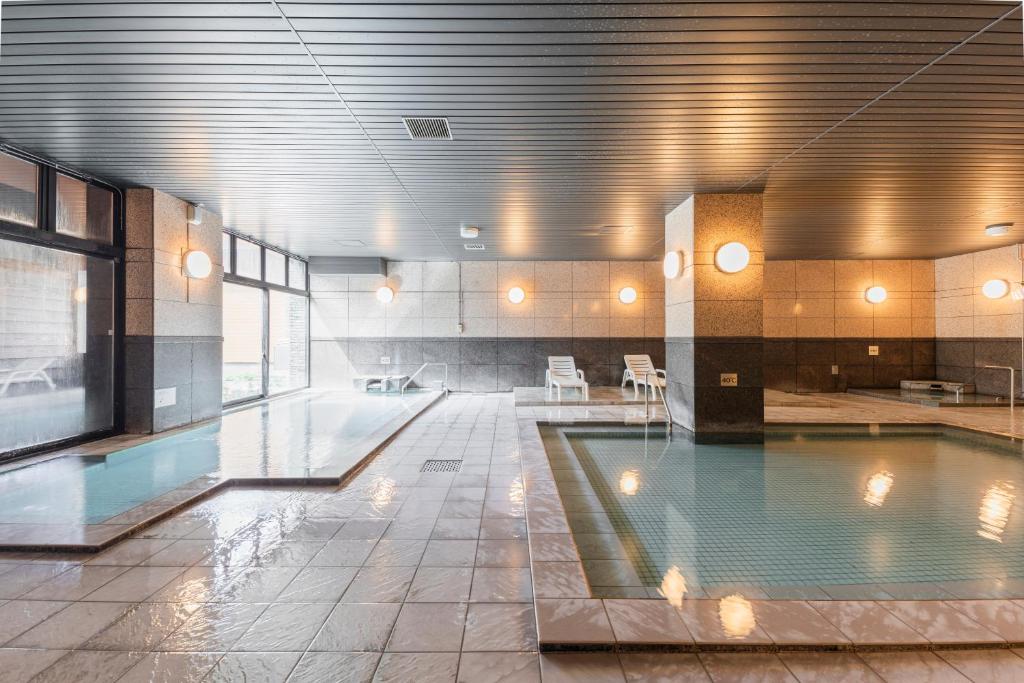
The average temperature of Atami's hot spring sources is high, over 60°C (140°F), with some exceeding 90°C (194°F). Thanks to the abundant flow, many ryokans and hotels offer baths with water flowing directly from the source (gensen kakenagashi). The mildly alkaline water feels soft on the skin.
With a mild climate year-round, any time is a good time to visit. The area is particularly popular during the Atami Maritime Fireworks Festival (held over 10 times a year), the Atami Plum Garden Festival from January to March, and the autumn foliage season.
Access
Nearby Sightseeing and Local Cuisine
- MOA Museum of Art: Features a collection including National Treasures, with stunning views.
- Kinomiya Shrine: A spiritual spot known for its sacred camphor tree over 2,100 years old.
- Atami Plum Garden: Famous for Japan's earliest blooming plum blossoms and late autumn colors.
- Kiunkaku: A former ryokan preserving the architectural beauty of the Taisho and Showa eras.
- Atami Maritime Fireworks Festival: A signature event held throughout the year.
- Atami Sun Beach: A beautiful beach that is illuminated at night.
- Local Cuisine: Simmered Kinmedai (splendid alfonsino), fresh dried horse mackerel, onsen manju.
MORE WITH THE SAME SPRING TYPE
Loved the Chloride Spring of Atami Onsen? Try these too
Picked from onsen across Japan where you can enjoy the same Chloride Spring.





Q & A
Frequently Asked Questions
Tap any question to expand the answer
Can I narrow down to only inns with a hot-spring analysis in Atami Onsen?
Can I find tattoo-friendly inns with private baths or in-room open-air baths in Atami Onsen?
Onsen towns are often rural with patchy Wi-Fi and limited public transport. Sort out data, tours and a car before you go.
- Japan eSIMAiralo
- Japan eSIMYesim
- Tours, passes & transfersGetYourGuide
- Tours, passes & transfersKKday
- Car rentalDiscover Cars
Includes affiliate links
References
Famous Onsen Areas with Chloride Spring
Check access and tourist information on each onsen area column
Related Articles