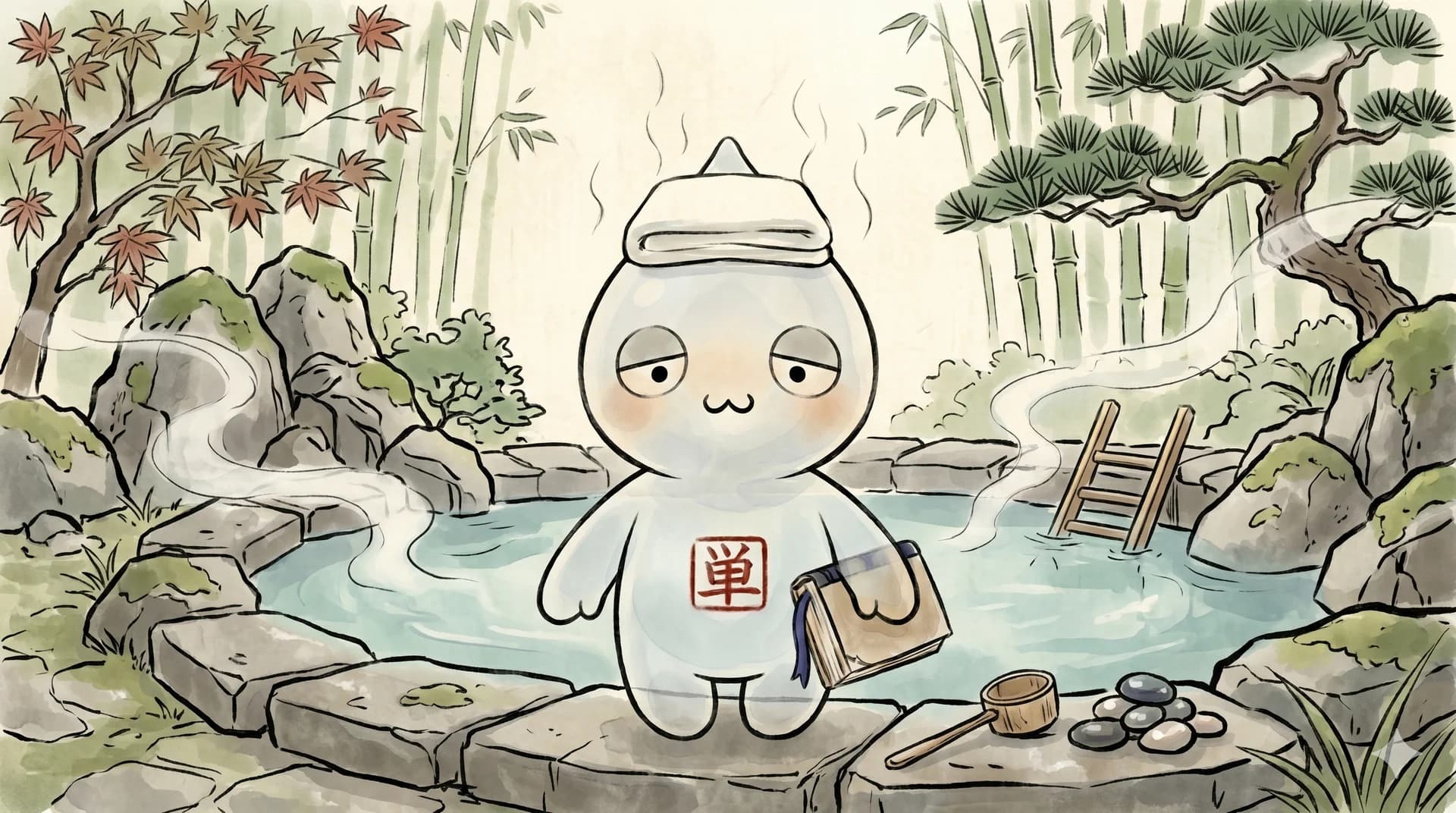
Shuzenji Onsen is known for its Simple Hot Spring; listed indications for this spring type include Fatigue, Insomnia. Choose from 1 inns with a hot-spring analysis on file, filtering by spring type, benefits and amenities, and book directly.
See inns in Shuzenji OnsenOn this page you can filter Shuzenji Onsen inns by spring type, benefits, tattoo-friendly, private bath and in-room open-air bath, and book on each property's Agoda or Rakuten page.
Compare & book inns in Shuzenji Onsen

Awaiting analysis(12)
Overview
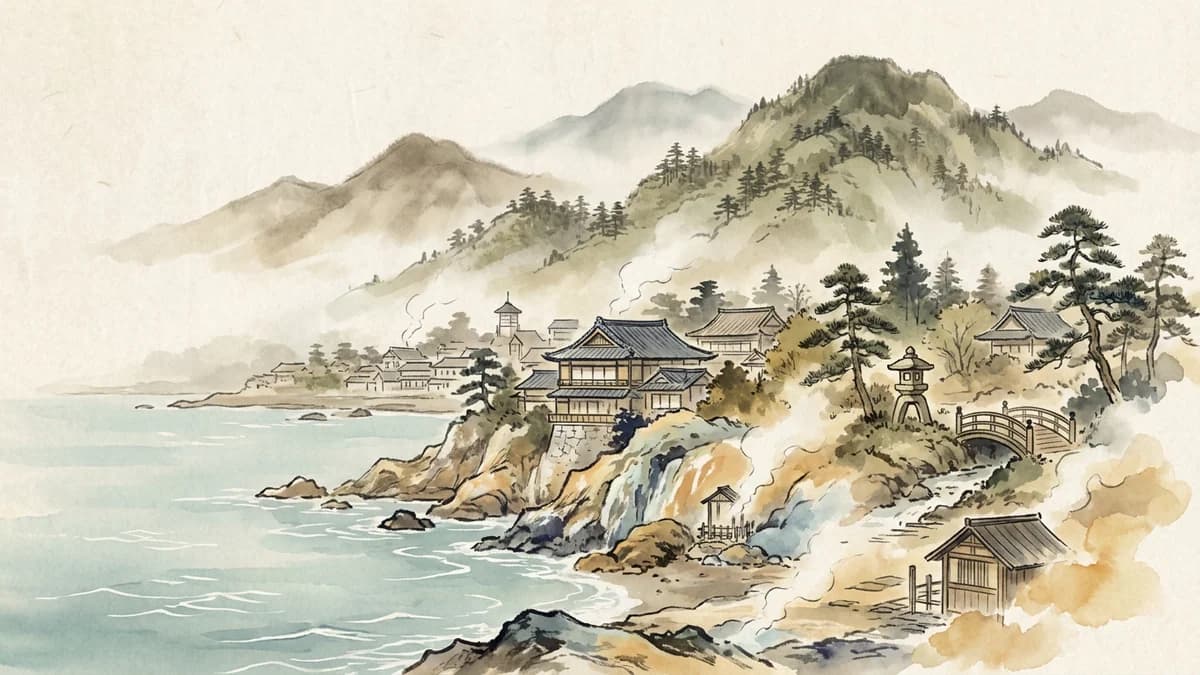
Located in Izu City, Shizuoka Prefecture, Shuzenji Onsen is one of the oldest hot spring resorts on the Izu Peninsula, with a history spanning over 1,200 years. Legend says it began in the early Heian period when the monk Kobo Daishi (Kukai) struck a rock in the Katsura River with a Buddhist ritual tool called a 'tokkosho,' causing a spiritual spring to gush forth. This spring is known as 'Tokko-no-yu'.
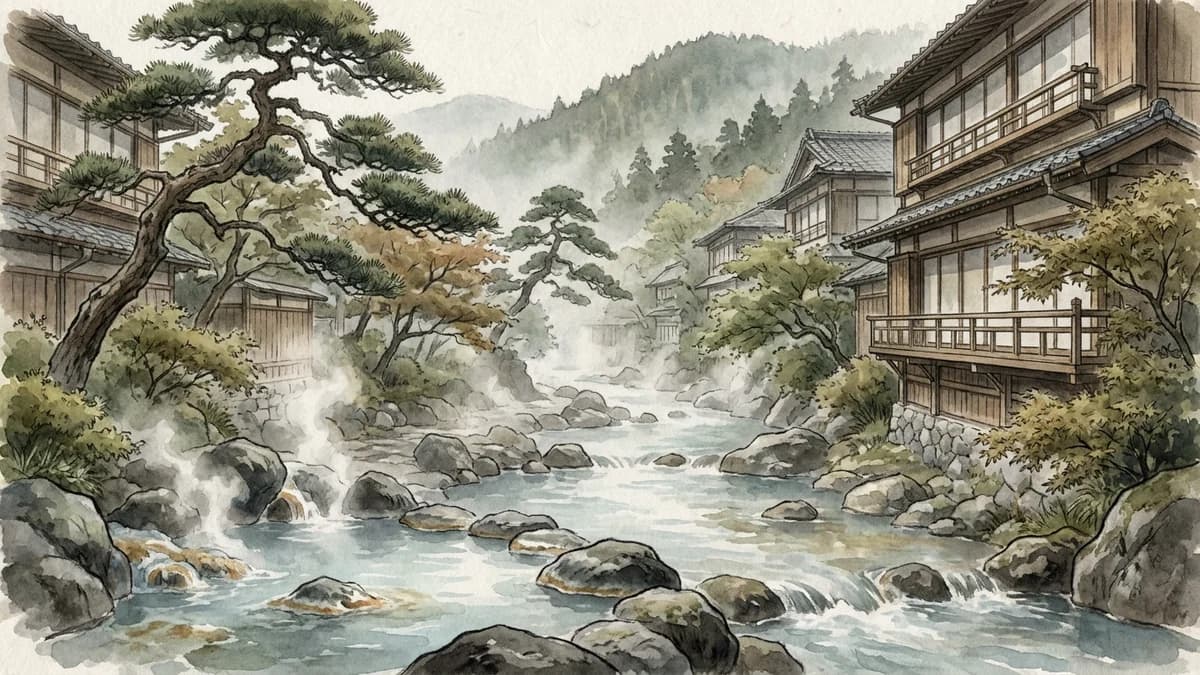
The area is often called 'Izu's Little Kyoto' for its beautiful scenery, with traditional inns and shops lining the Katsura River, complemented by vermilion bridges and a serene bamboo forest path. Its tranquil atmosphere has been cherished by many writers and artists, including Natsume Soseki and Kawabata Yasunari, and has served as a setting for numerous famous literary works. Visitors can enjoy a peaceful time strolling through the town, which is steeped in history and culture.
Primary Spring Type and Benefits
The water at Shuzenji Onsen is primarily a simple alkaline hot spring. It is colorless, tasteless, and odorless, with low mineral content, making it gentle on the skin and suitable for everyone, from children to the elderly. The weakly alkaline water (pH 8.5 or higher) is known to soften the skin's outer layer, and is often called a 'bijin-no-yu' or 'water for beautiful skin'.
- Autonomic instabilityThe gentle, warming properties of this simple alkaline spring promote deep mental and physical relaxation. This calming state may help to restore balance to the nervous system, easing stress-related symptoms.
- InsomniaBy warming the body from its core, the hot spring encourages profound relaxation and helps to relieve tension. This soothing effect is said to quiet the mind before bed, and insomnia is listed among the indications for simple thermal springs.
- Mild depression
- Fatigue recovery
Water Characteristics & Best Season
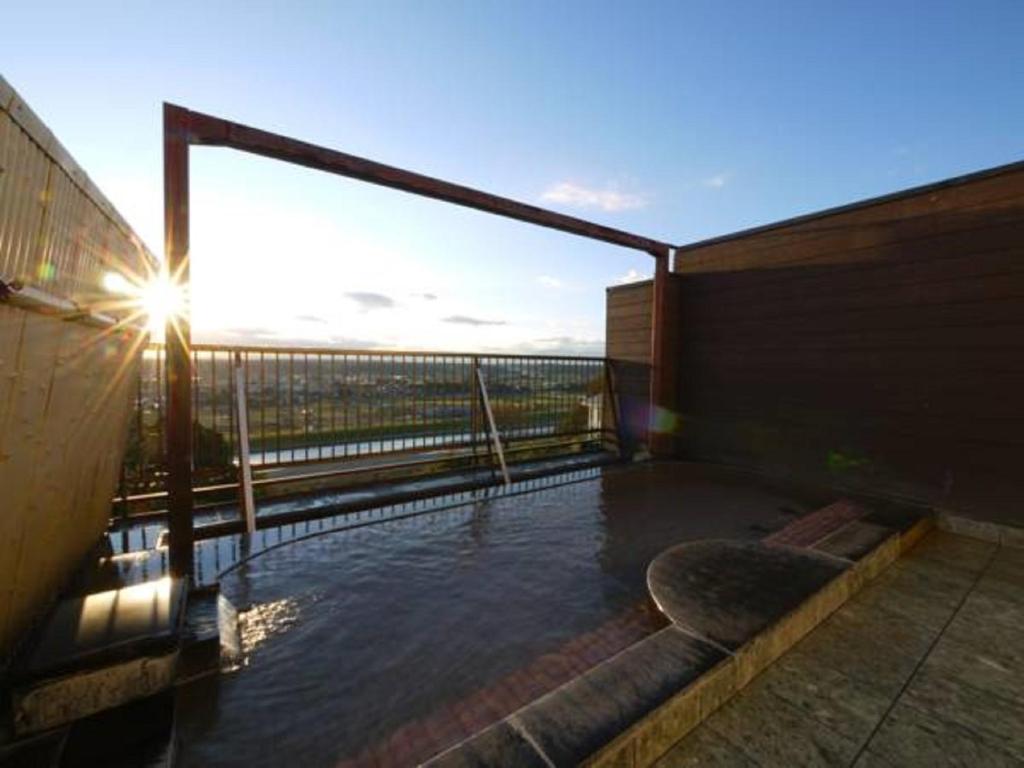
While the source temperature is relatively high, it is adjusted to a comfortable temperature at each facility. Many inns feature baths with free-flowing spring water ('gensen kakenagashi'), allowing you to enjoy the fresh water. The gentle quality of the spring is ideal for long soaks, promoting deep relaxation of mind and body. The onsen can be enjoyed year-round, but the scenery is particularly stunning in early summer when the bamboo forest is lush and green, and in autumn (mid-November to early December) for its beautiful fall foliage.
Access
Nearby Sightseeing & Local Cuisine
- Shuzen-ji Temple: An ancient temple said to be founded by Kobo Daishi.
- Bamboo Forest Path: A scenic walking path awarded two stars by the Michelin Green Guide.
- Tokko-no-yu: The symbolic birthplace of Shuzenji Onsen (for viewing only).
- Hie Shrine: A shrine associated with Minamoto no Yoriie, known for its sacred cedar trees believed to grant fertility.
- Niji no Sato: A large theme park with a British Village, Japanese Garden, and more.
- Soba Noodles: A local specialty made with pure water.
- Wasabi: Try wasabi-don (rice bowl with fresh wasabi) or wasabi pickles, famous products of Izu.
- Ayu (Sweetfish) Dishes: Grilled sweetfish from the Katsura River (seasonal).
MORE WITH THE SAME SPRING TYPE
Loved the Simple Spring of Shuzenji Onsen? Try these too
Picked from onsen across Japan where you can enjoy the same Simple Spring.




Q & A
Frequently Asked Questions
Tap any question to expand the answer
Can I narrow down to only inns with a hot-spring analysis in Shuzenji Onsen?
Can I find tattoo-friendly inns with private baths or in-room open-air baths in Shuzenji Onsen?
Onsen towns are often rural with patchy Wi-Fi and limited public transport. Sort out data, tours and a car before you go.
- Japan eSIMAiralo
- Japan eSIMYesim
- Tours, passes & transfersGetYourGuide
- Tours, passes & transfersKKday
- Car rentalDiscover Cars
Includes affiliate links
References
Famous Onsen Areas with Simple Spring
Check access and tourist information on each onsen area column
Related Articles