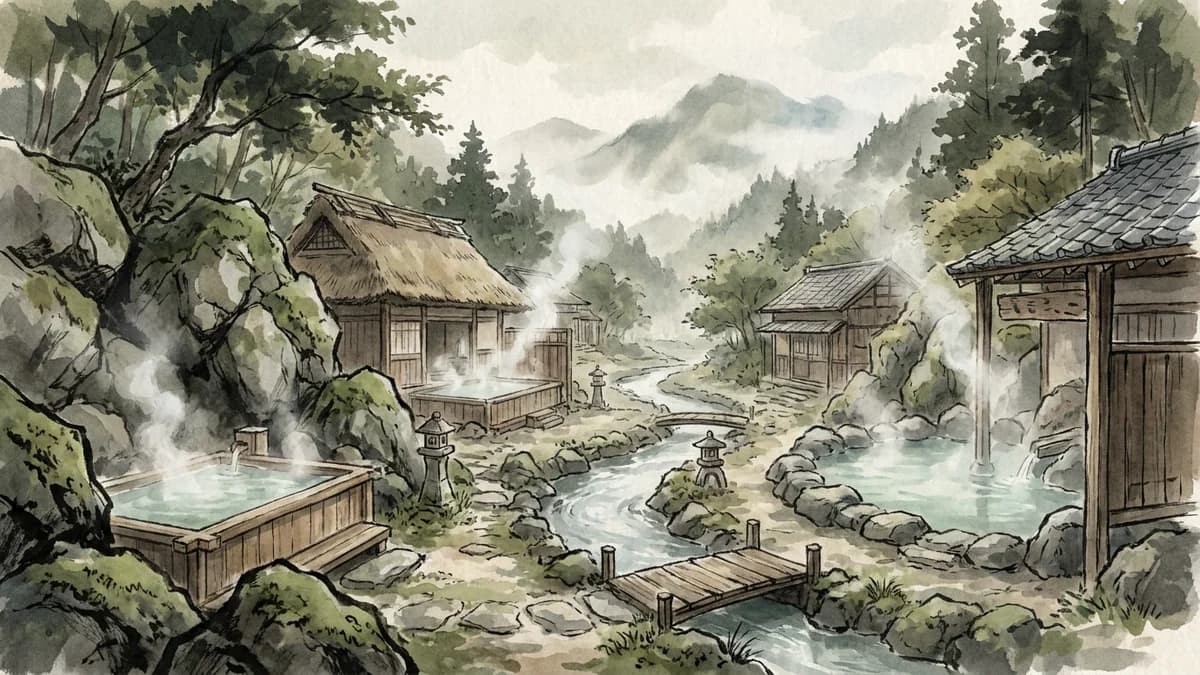
Kinugawa Onsen is known for its Simple Hot Spring; listed indications for this spring type include Fatigue, Insomnia. Choose an inn by spring type, benefits and amenities, and book directly.
See inns in Kinugawa OnsenOn this page you can filter Kinugawa Onsen inns by spring type, benefits, tattoo-friendly, private bath and in-room open-air bath, and book on each property's Agoda or Rakuten page.
Compare & book inns in Kinugawa Onsen
Awaiting analysis(11)
Overview
The history of Kinugawa Onsen dates back to its discovery in the Edo period (1603-1868). Initially, bathing was restricted to feudal lords and monks visiting the nearby Nikko shrines. It was opened to the public in the Meiji era (1868-1912) and has since become a popular destination.
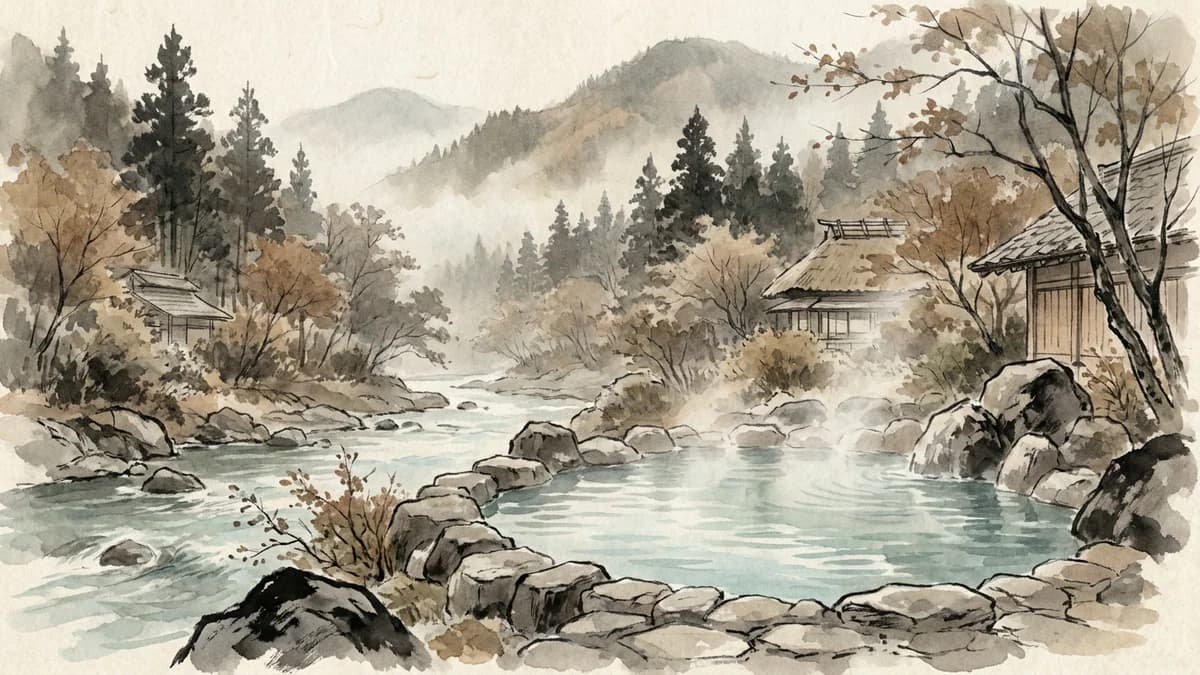
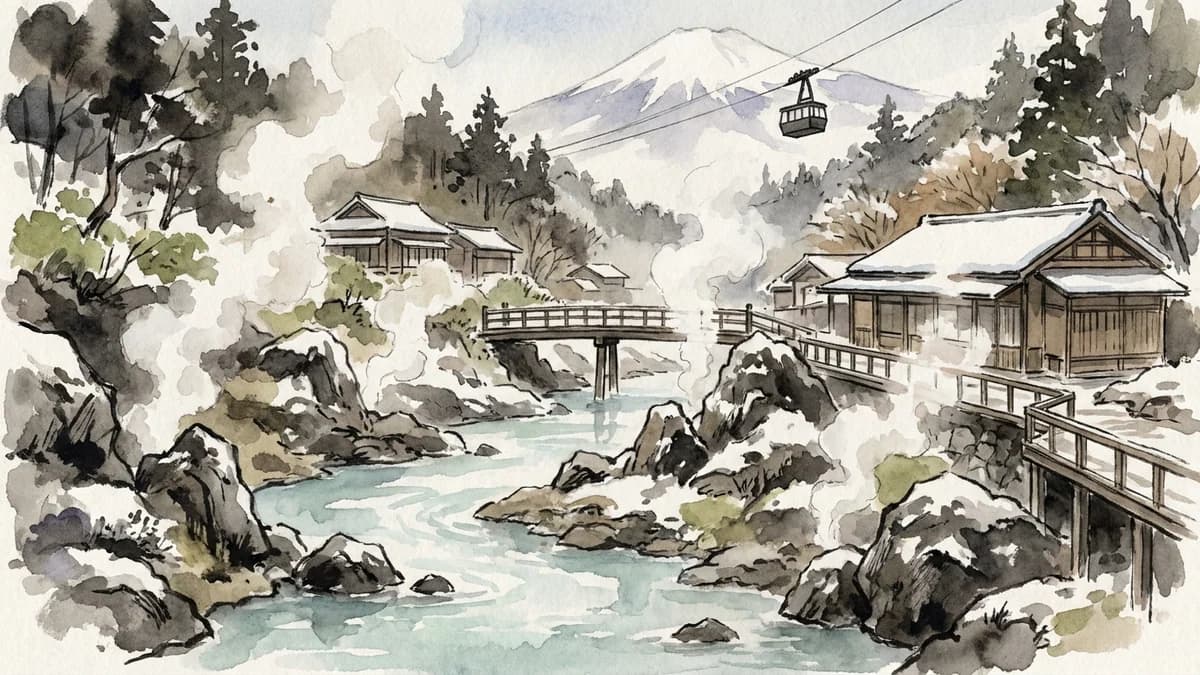
The onsen town is famed for the dynamic scenery of the Kinugawa River valley, which is especially breathtaking during the seasons of fresh green foliage and autumn colors. With a wide range of accommodations from modern hotels to traditional ryokans and easy access from Tokyo, it is often called the capital's "okuzashiki" (inner parlor).
Typical Spring Quality and Benefits
The water at Kinugawa Onsen is an alkaline simple hot spring, which is colorless, tasteless, and odorless. It is gentle on the skin, making it suitable for everyone from children to the elderly. It is said to be effective for nerve pain and fatigue recovery, and its soft texture has earned it the nickname "bihada no yu" (water for beautiful skin).
- Autonomic instabilityThe relaxing experience of soaking in the gentle, warm water can help calm the nervous system. This soothing effect may help regulate bodily functions and ease symptoms associated with stress and an imbalanced autonomic nervous system.
- Insomnia
- Depressive states
- Peripheral circulatory disturbance
- Sensitivity to coldThe thermal effect of the hot spring warms the body to its core, which is said to help ease a persistent feeling of chilliness. Improved circulation from bathing helps distribute this warmth effectively through the hands and feet.
- Reduced gastrointestinal function
Water Characteristics and Best Time to Visit
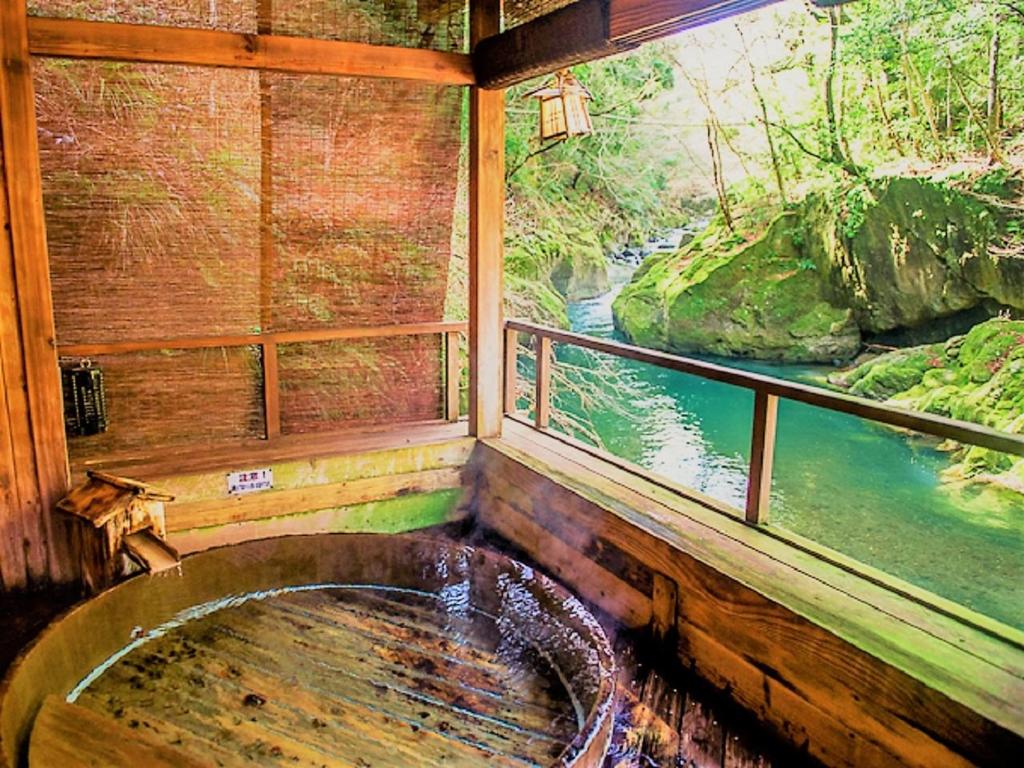
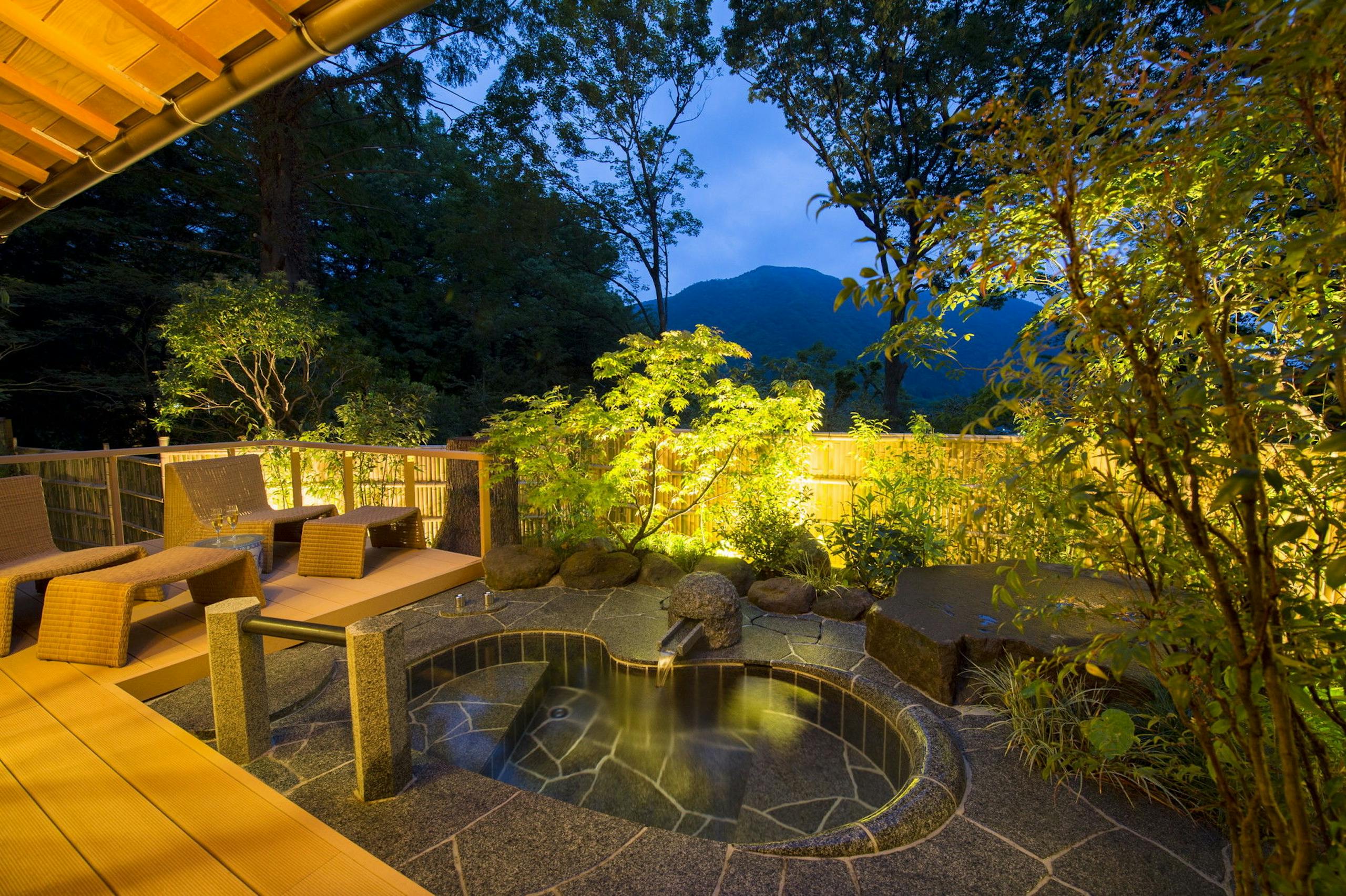
The source temperatures range from 37 to 77°C (98.6 to 170.6°F) and are adjusted to a comfortable bathing temperature at each facility. The area boasts an abundant supply of hot spring water, allowing for spacious public baths and open-air baths with views of the gorge. The gentle water is suitable for long soaks, promoting deep relaxation.
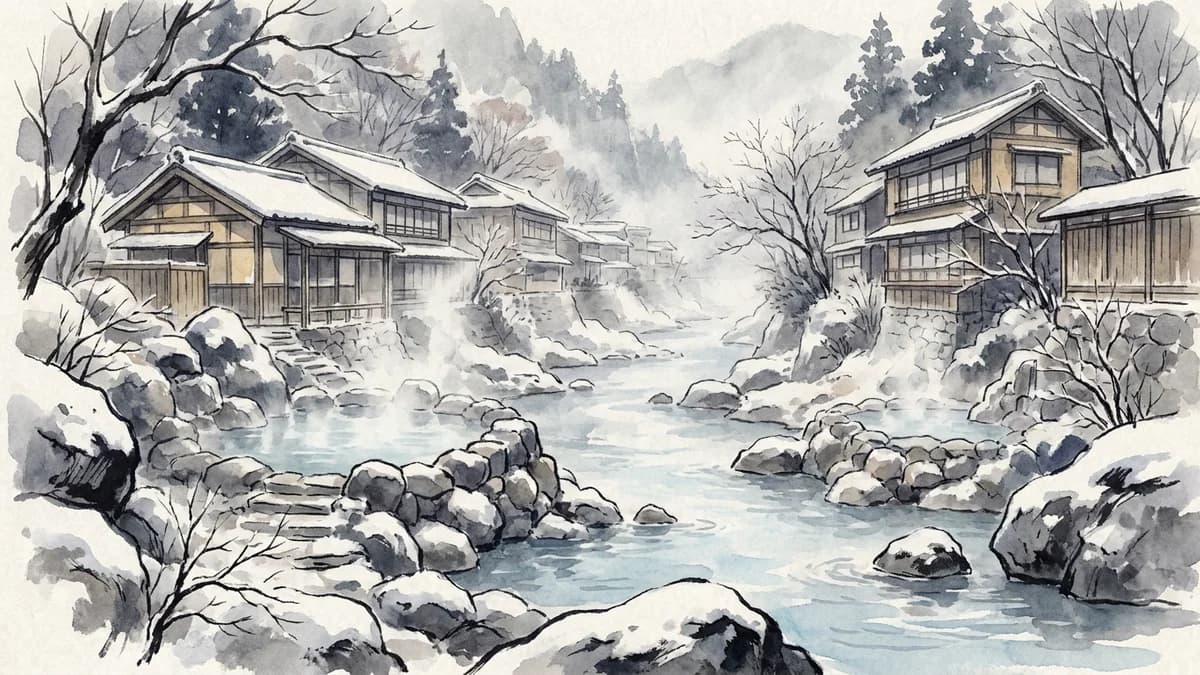
The best times to visit are spring (April-May) for fresh greenery and autumn (late October-mid November) for vibrant foliage. A winter visit also offers the special experience of a "yukimi-buro" (snow-viewing bath).
Access
Nearby Sightseeing and Local Cuisine
- Kinugawa River Boat Ride: A scenic cruise down the gorge with an entertaining boatman.
- Kinu-Tateiwa-Otsuribashi Suspension Bridge: A 140-meter-long bridge offering panoramic views of the river.
- Tobu World Square: A theme park featuring 1:25 scale replicas of famous buildings from around the world.
- Edo Wonderland Nikko Edomura: A history theme park where you can experience the culture of the Edo period.
- Ryuo-kyo Gorge: A beautiful hiking trail with unique rock formations and waterfalls, located between Kinugawa and Kawaji Onsen.
- Yuba Cuisine: Various dishes made from yuba (tofu skin), a Nikko specialty.A local delicacy of the Nikko area, yuba is the thin skin that forms on the surface of heated soy milk. It has a delicate flavor and a unique texture, and is served in various ways, from fresh sashimi-style to simmered in hot pots.
- Ayu no Shioyaki: Salt-grilled sweetfish from the clear streams.
MORE WITH THE SAME SPRING TYPE
Loved the Simple Spring of Kinugawa Onsen? Try these too
Picked from onsen across Japan where you can enjoy the same Simple Spring.




Q & A
Frequently Asked Questions
Tap any question to expand the answer
Can I narrow down to only inns with a hot-spring analysis in Kinugawa Onsen?
Can I find tattoo-friendly inns with private baths or in-room open-air baths in Kinugawa Onsen?
Onsen towns are often rural with patchy Wi-Fi and limited public transport. Sort out data, tours and a car before you go.
- Japan eSIMAiralo
- Japan eSIMYesim
- Tours, passes & transfersGetYourGuide
- Tours, passes & transfersKKday
- Car rentalDiscover Cars
Includes affiliate links
References
Famous Onsen Areas with Simple Spring
Check access and tourist information on each onsen area column
Related Articles