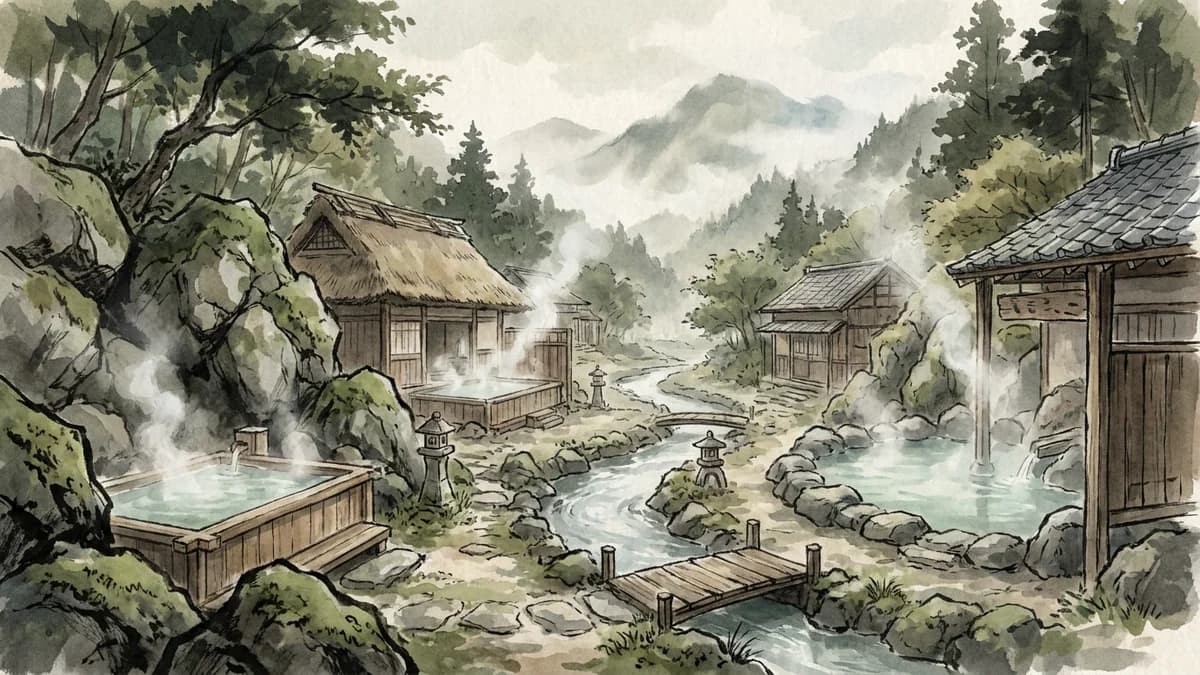
Kawaji Onsen is known for its Simple Hot Spring; listed indications for this spring type include Fatigue, Insomnia. Choose an inn by spring type, benefits and amenities, and book directly.
See inns in Kawaji OnsenOn this page you can filter Kawaji Onsen inns by spring type, benefits, tattoo-friendly, private bath and in-room open-air bath, and book on each property's Agoda or Rakuten page.
Overview
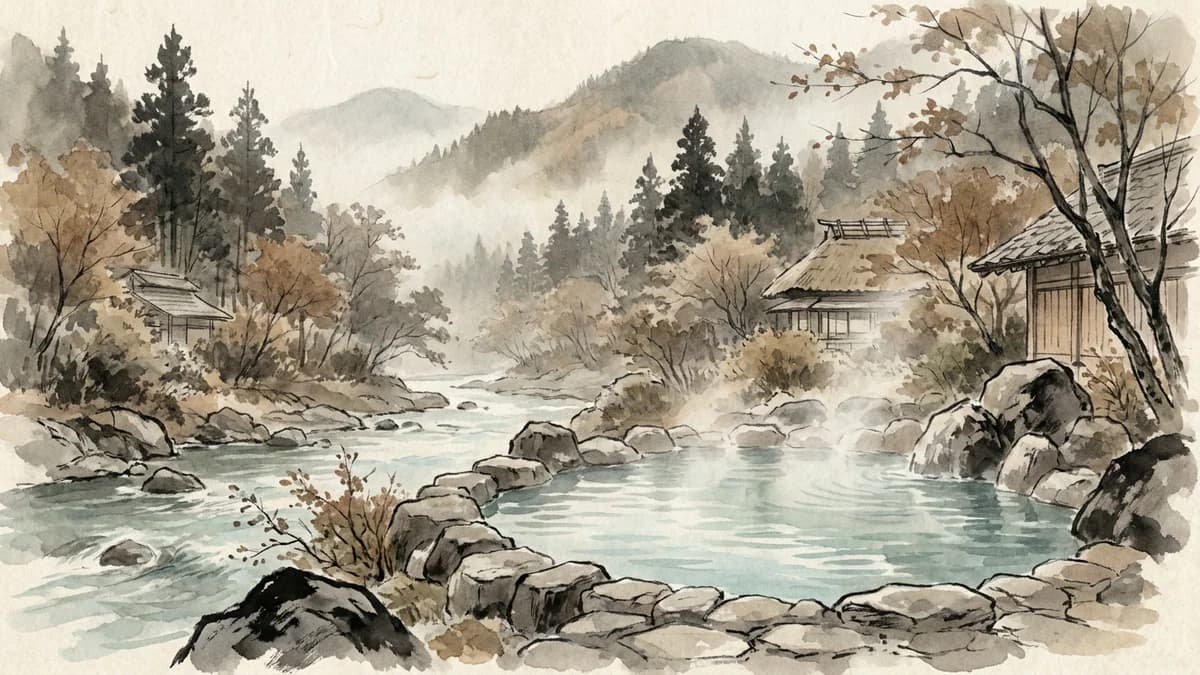
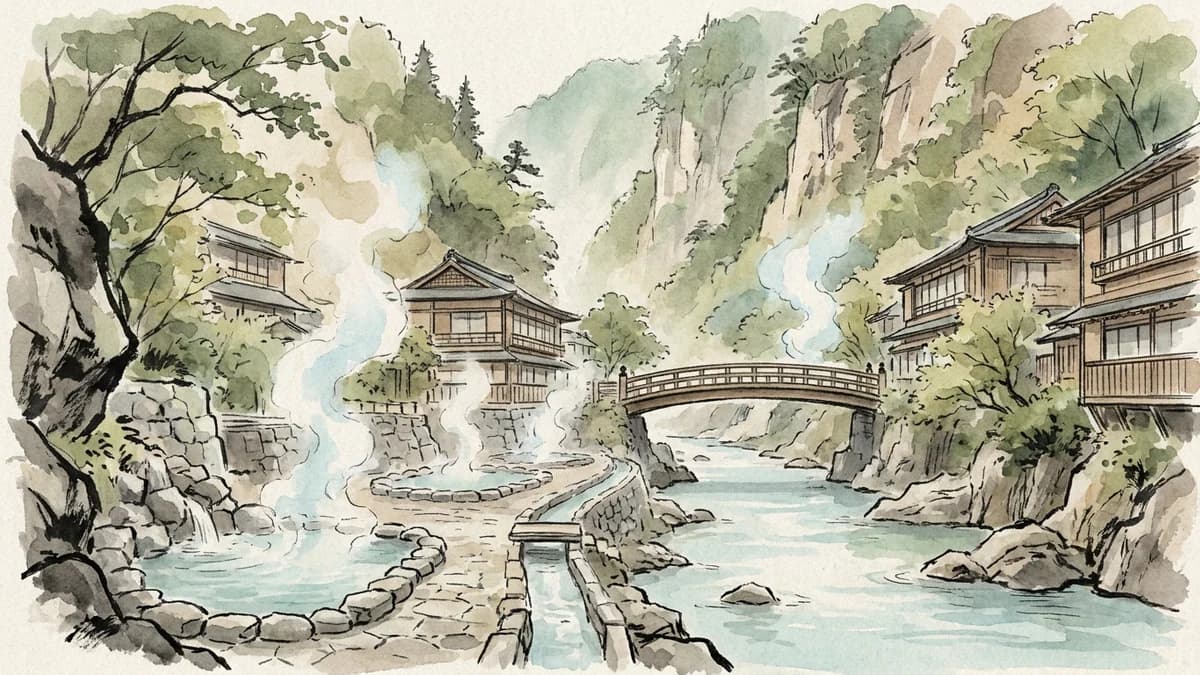
Kawaji Onsen's history dates back to its discovery in 1718. It flourished as a post town on the Aizu Nishi Kaido, a major route connecting Aizu with Edo (present-day Tokyo), providing rest for weary travelers. Located at the confluence of the Kinugawa and Ojikagawa rivers, its beautiful valley scenery captivates visitors.
An old saying goes, "Kawaji for wounds, Taki (now Kinugawa Onsen) for burns," highlighting its historical reputation for healing injuries. Today, it's popular as a therapeutic hot spring that promotes deep relaxation for both mind and body. Ryokans (traditional inns) line the valley, offering exceptional bathing experiences with views of nature's changing seasons.
Spring Quality and Benefits
The water at Kawaji Onsen is an alkaline simple thermal spring. It is colorless, odorless, and tasteless, with very low irritation, making it safe for everyone from babies to the elderly. Known as a "bath for everyone," it is expected to warm the body from the core and ease physical and mental tension.
- Autonomic instabilityThe gentle, skin-friendly waters combined with the tranquil valley setting create a deeply relaxing experience. This calming effect on both mind and body may help to balance the autonomic nervous system and reduce stress-related symptoms.
- InsomniaThe relaxing effect of bathing helps to quiet the mind and relieve physical tension before bedtime. Furthermore, the gentle rise and subsequent fall in body temperature after bathing is said to help promote a natural transition into a deeper, more restful sleep.
- Depressive states
- Peripheral circulatory disturbance
- Sensitivity to coldThe thermal properties of the hot spring help to warm the body thoroughly from its core. This sustained warmth promotes circulation and is said to provide lasting relief for those who are chronically sensitive to cold.
- Decreased gastrointestinal function
Water Characteristics and Best Season
Source temperatures range from 30-65°C (86-149°F), and most facilities adjust the water to a comfortable temperature by heating or adding cool water. Some inns feature gensen kakenagashi baths, where you can enjoy fresh, free-flowing spring water. The water is soft on the skin and less tiring, even during long soaks.
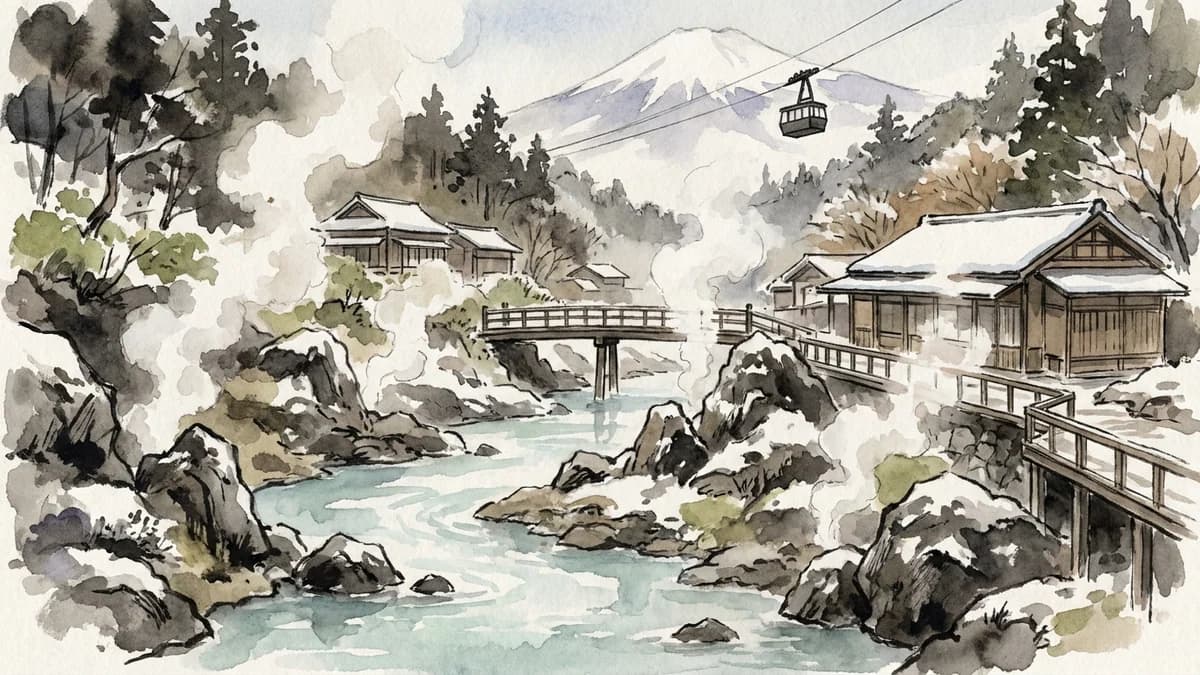
The best times to visit Kawaji Onsen are in spring (April-May) for the fresh green foliage, and autumn (late October-mid November) when the valley is ablaze with color. Summer offers river activities and shaded walks, while winter provides a tranquil, snowy landscape, ensuring a charming experience year-round.
Access
Nearby Attractions and Local Cuisine
- Ryuo-kyo Gorge: A stunning hiking course with giant, unique rock formations and a clear stream.
- Kawaji Fureai Park: A park along the Ojikagawa River with a footbath and walking paths.
- Ougon-no-yu: A historic public bath in Kawaji Onsen (check for current operating status).
- Ikari Dam: A dam offering dynamic views, complete with a visitor center.
- Yunishigawa Onsen: A hot spring village with legends of the Heike clan. Famous for its winter Kamakura Festival.
- Ayu no Shioyaki: Salt-grilled sweetfish, raised in clear streams and cooked over charcoal.
- Chitake Soba: A local soul food of Tochigi. Buckwheat noodles in a flavorful broth made from Chichitake mushrooms.
MORE WITH THE SAME SPRING TYPE
Loved the Simple Spring of Kawaji Onsen? Try these too
Picked from onsen across Japan where you can enjoy the same Simple Spring.


Q & A
Frequently Asked Questions
Tap any question to expand the answer
Can I narrow down to only inns with a hot-spring analysis in Kawaji Onsen?
Can I find tattoo-friendly inns with private baths or in-room open-air baths in Kawaji Onsen?
Onsen towns are often rural with patchy Wi-Fi and limited public transport. Sort out data, tours and a car before you go.
- Japan eSIMAiralo
- Japan eSIMYesim
- Tours, passes & transfersGetYourGuide
- Tours, passes & transfersKKday
- Car rentalDiscover Cars
Includes affiliate links
References
Famous Onsen Areas with Simple Spring
Check access and tourist information on each onsen area column
Related Articles