Kawayu Onsen (Hokkaido) is known for its Acidic Spring; listed indications for this spring type include Dry Skin / Atopy. Choose an inn by spring type, benefits and amenities, and book directly.
See inns in Kawayu Onsen (Hokkaido)On this page you can filter Kawayu Onsen (Hokkaido) inns by spring type, benefits, tattoo-friendly, private bath and in-room open-air bath, and book on each property's Agoda or Rakuten page.
Compare & book inns in Kawayu Onsen (Hokkaido)
Awaiting analysis(3)
Overview
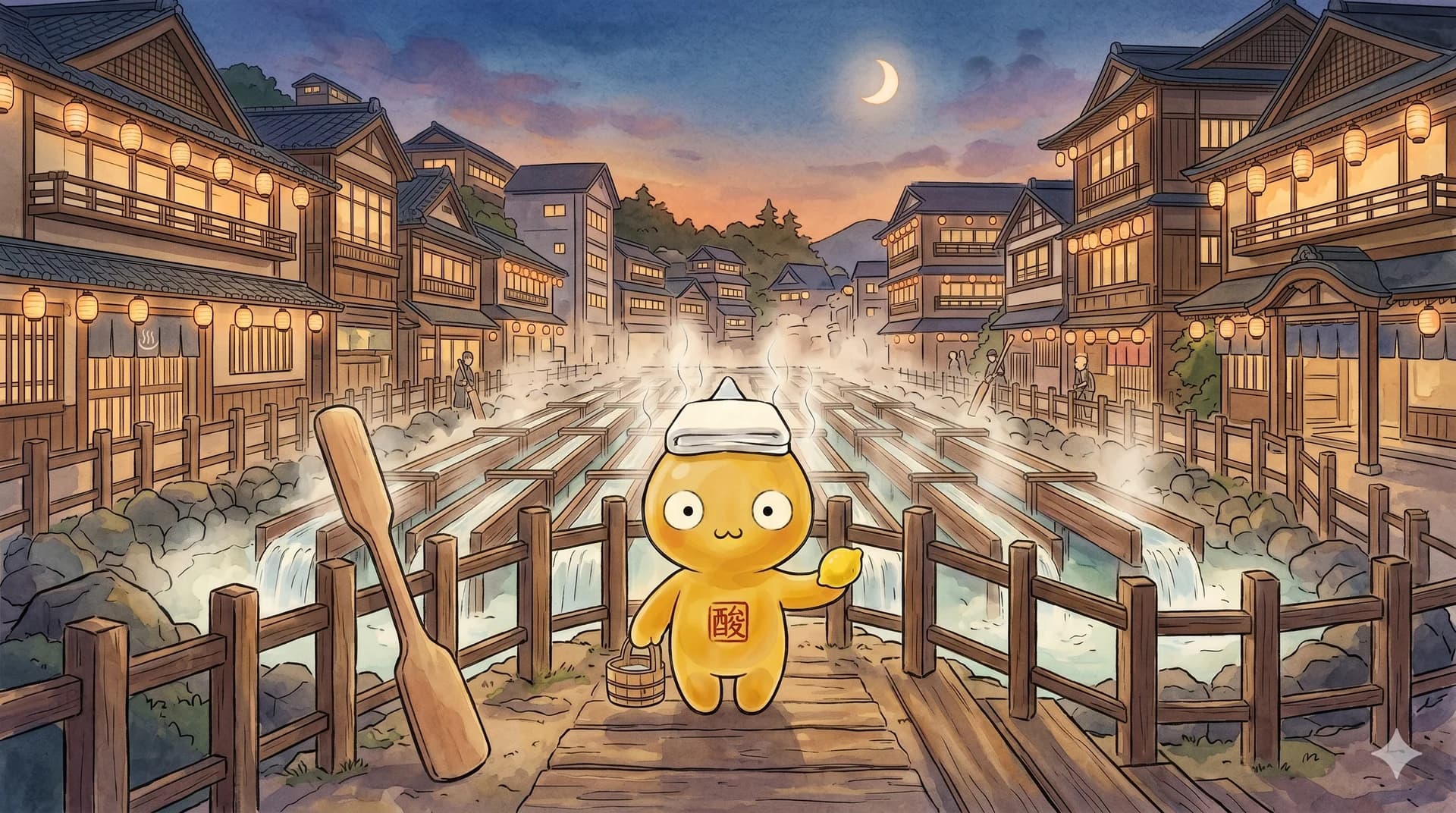
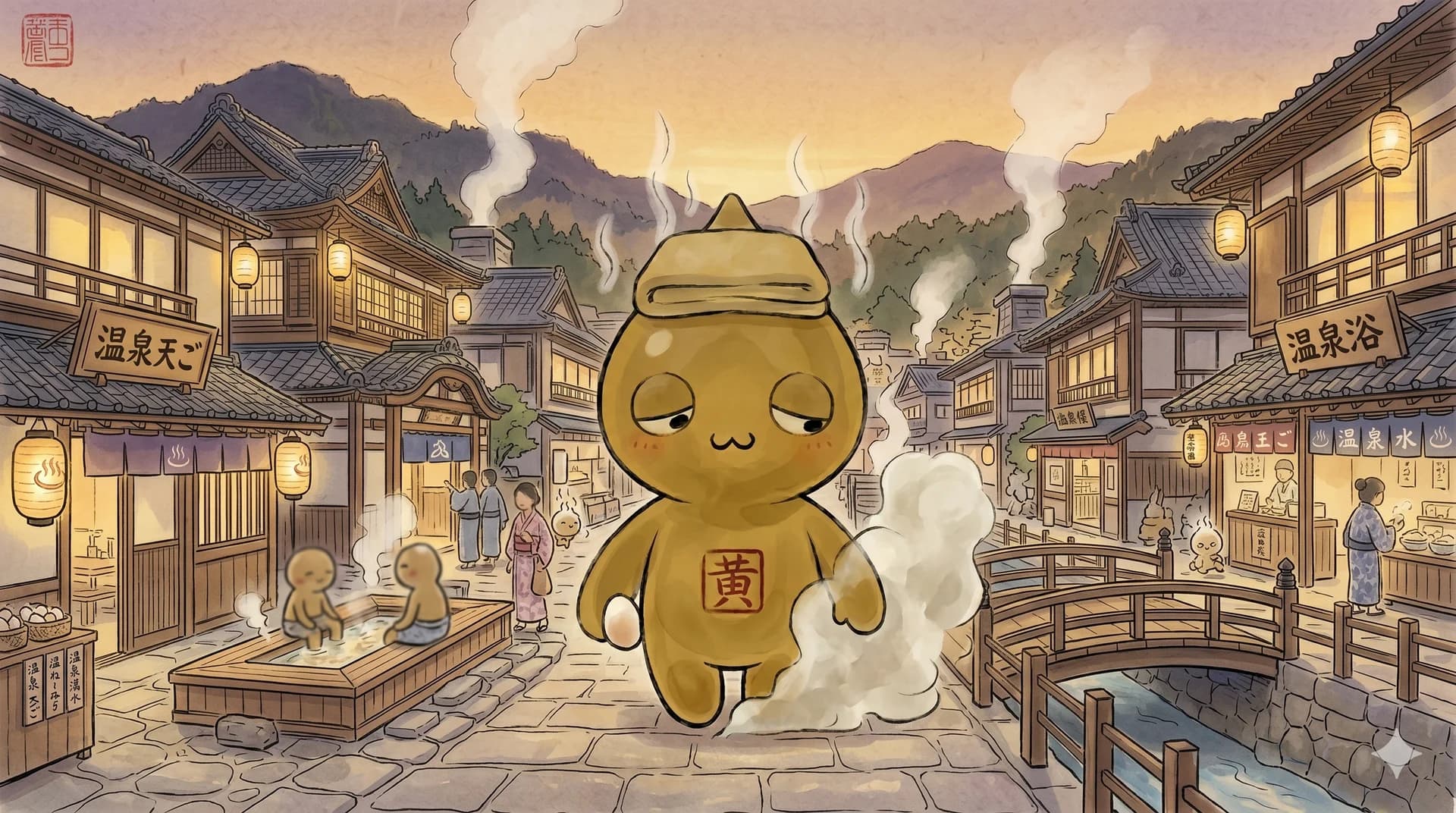
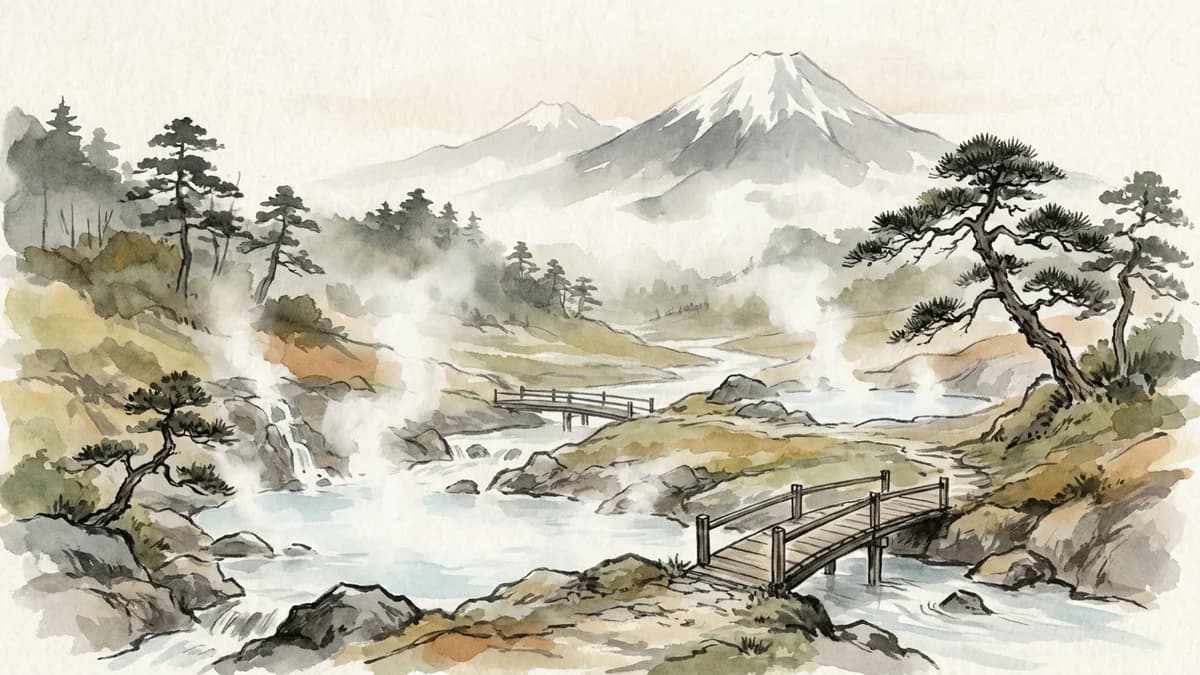
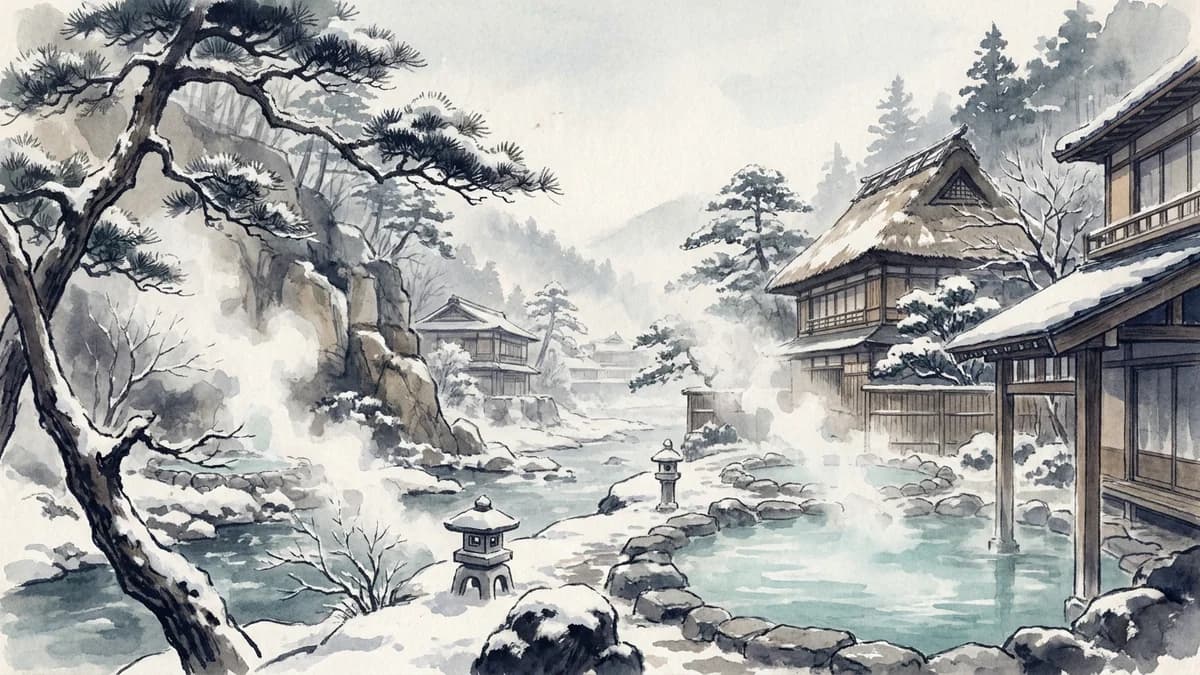
Kawayu Onsen is a hot spring resort in eastern Hokkaido, located within Akan-Mashu National Park. A river of hot spring water flows through the town center, creating a unique atmosphere with steam and the distinct scent of sulfur. The source is the active volcano Mt. Atosanupuri (Mt. Iō), allowing visitors to experience its raw geothermal power directly.
Discovered in the late Edo period, it has long been used as a therapeutic spa (tōji). Its most remarkable feature is its water quality, with a pH of around 2.0, making it one of Japan's most acidic springs. The town proudly upholds a "100% Gensen Kakenagashi Declaration," ensuring that all facilities offer pure, undiluted, and non-recirculated hot spring water.
Iconic Spring Types & Benefits
The water at Kawayu Onsen is so acidic it can dissolve an iron nail in a few days. This strong acidity is believed to have a powerful sterilizing effect, long-cherished by those with skin conditions. Rich in sulfur, the water provides a distinct tightening sensation on the skin upon bathing.
- Atopic dermatitisThe water is strongly acidic, and atopic dermatitis is listed among the indications for acidic springs.
- Psoriasis vulgarisPsoriasis vulgaris is listed among the indications for acidic springs in Japan, and this spring is highly acidic.
- Chronic eczema
- Diabetes
- Peripheral circulatory disorders
Water Characteristics & Best Season
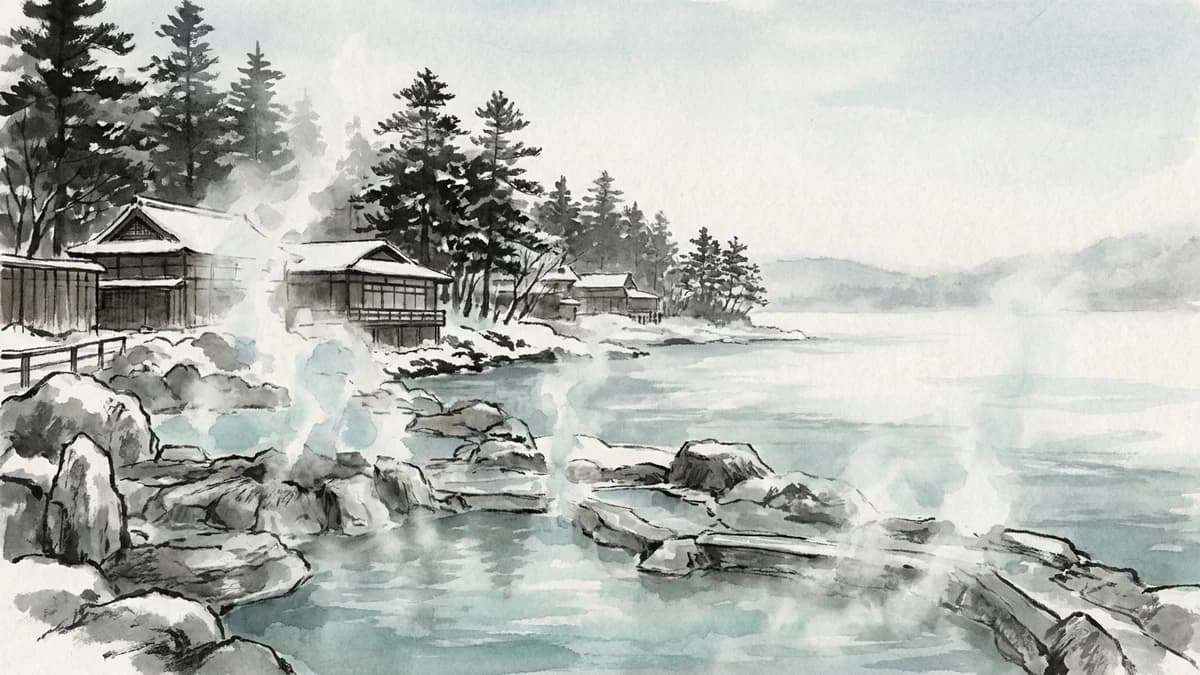
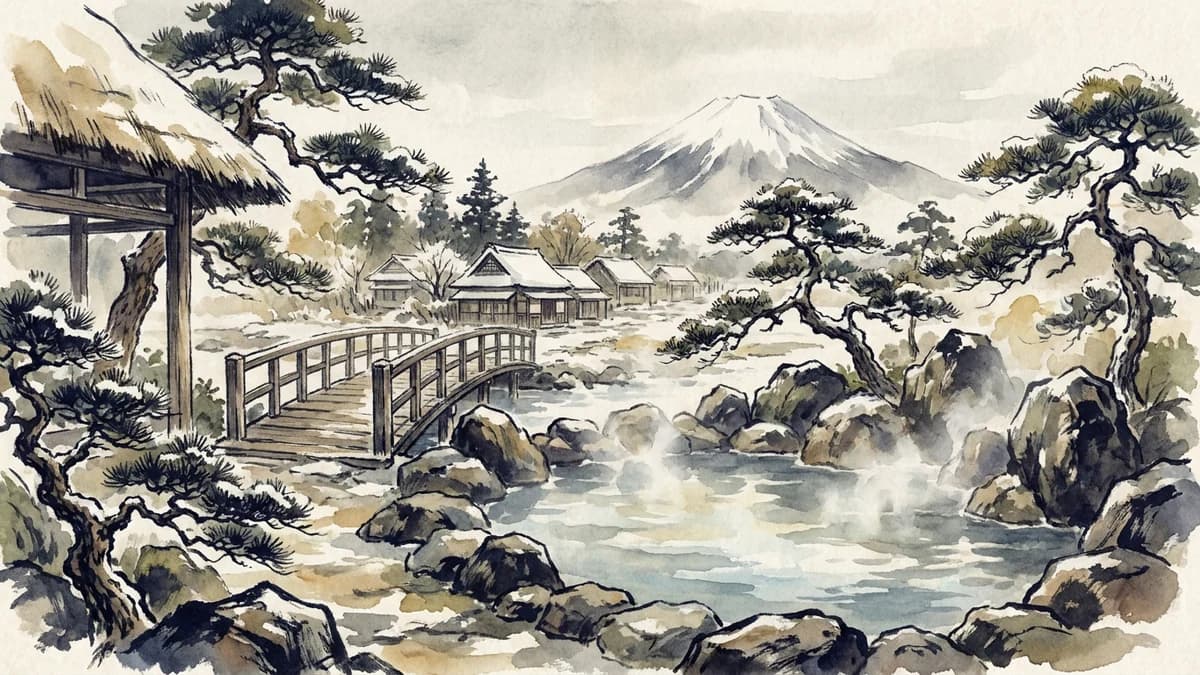
As the source temperature is high, many facilities use heat exchangers or traditional "yumomi" (water stirring with large paddles) to cool the water for bathing. The water is clear but may turn cloudy white when exposed to air. Winter is when Kawayu Onsen's magic truly shines. From December to March, you can witness fantastical phenomena like "muhyō" (rime ice) and "diamond dust." The limited-time, giant open-air bath "Sennin-buro" is another winter highlight.
Access
Nearby Attractions & Local Cuisine
- Mt. Iō (Atosanupuri): Experience the power of a volcano up close with its rising steam vents.
- Lake Mashu: A caldera lake known for its mists and world-class water clarity.
- Lake Kussharo: Japan's largest caldera lake, featuring "Sunayu," where hot spring water bubbles up when you dig into the sand on its shore.
- Kawayu Eco-Museum Center: Learn about the region's nature and culture.
- Teshikaga Ramen: A local ramen featuring a double soup of seafood and pork bone broth.
- Mashu Soba: Flavorful buckwheat noodles made with the pure subsoil water of Lake Mashu.
- Local Dairy Products: Enjoy soft-serve ice cream and cheese from cows raised on vast pastures.
MORE WITH THE SAME SPRING TYPE
Loved the Acidic Spring of Kawayu Onsen (Hokkaido)? Try these too
Picked from onsen across Japan where you can enjoy the same Acidic Spring.





Q & A
Frequently Asked Questions
Tap any question to expand the answer
Can I narrow down to only inns with a hot-spring analysis in Kawayu Onsen (Hokkaido)?
Can I find tattoo-friendly inns with private baths or in-room open-air baths in Kawayu Onsen (Hokkaido)?
Onsen towns are often rural with patchy Wi-Fi and limited public transport. Sort out data, tours and a car before you go.
- Japan eSIMAiralo
- Japan eSIMYesim
- Tours, passes & transfersGetYourGuide
- Tours, passes & transfersKKday
- Car rentalDiscover Cars
Includes affiliate links
References
Famous Onsen Areas with Acidic Spring
Check access and tourist information on each onsen area column
Related Articles