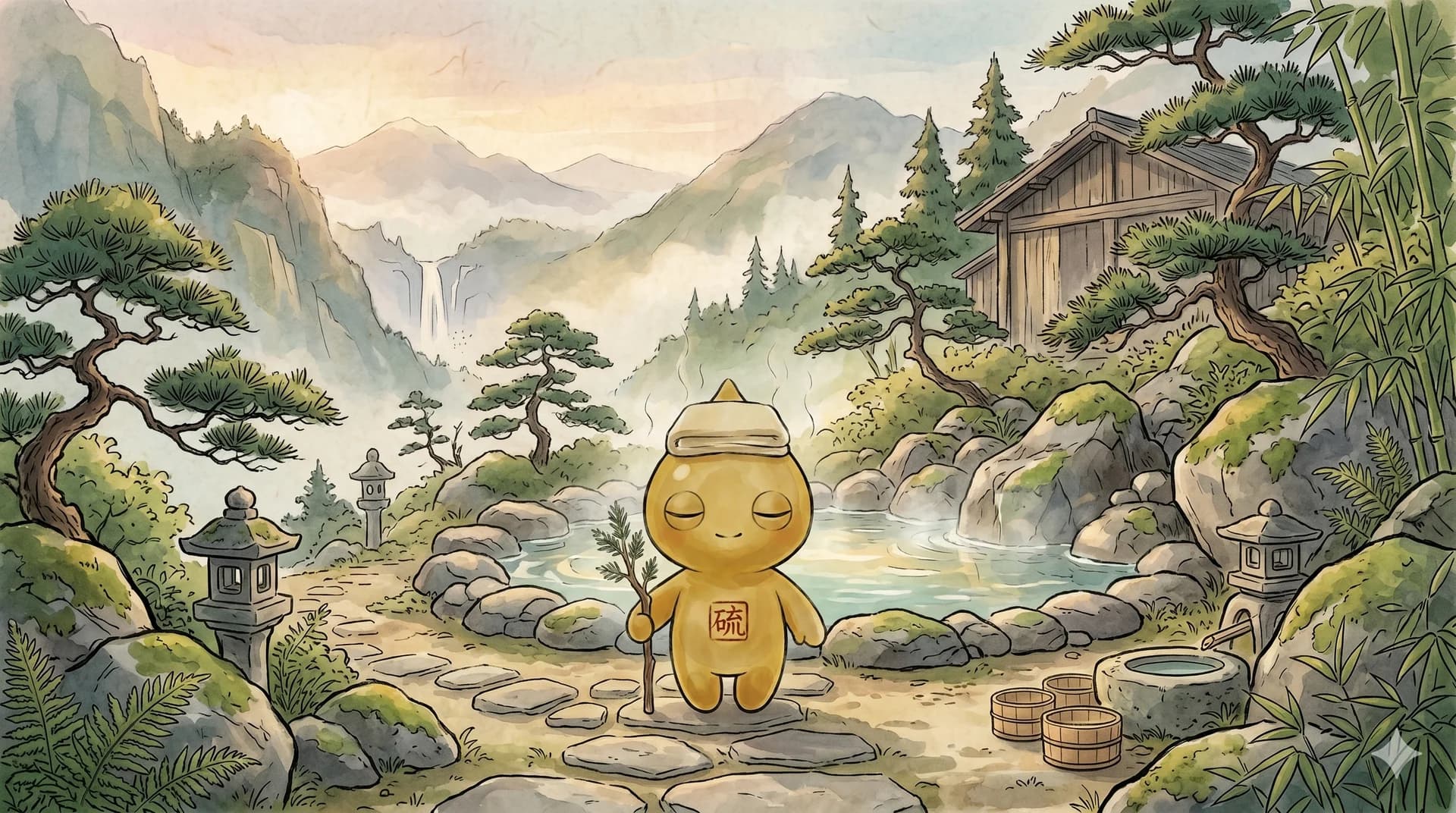
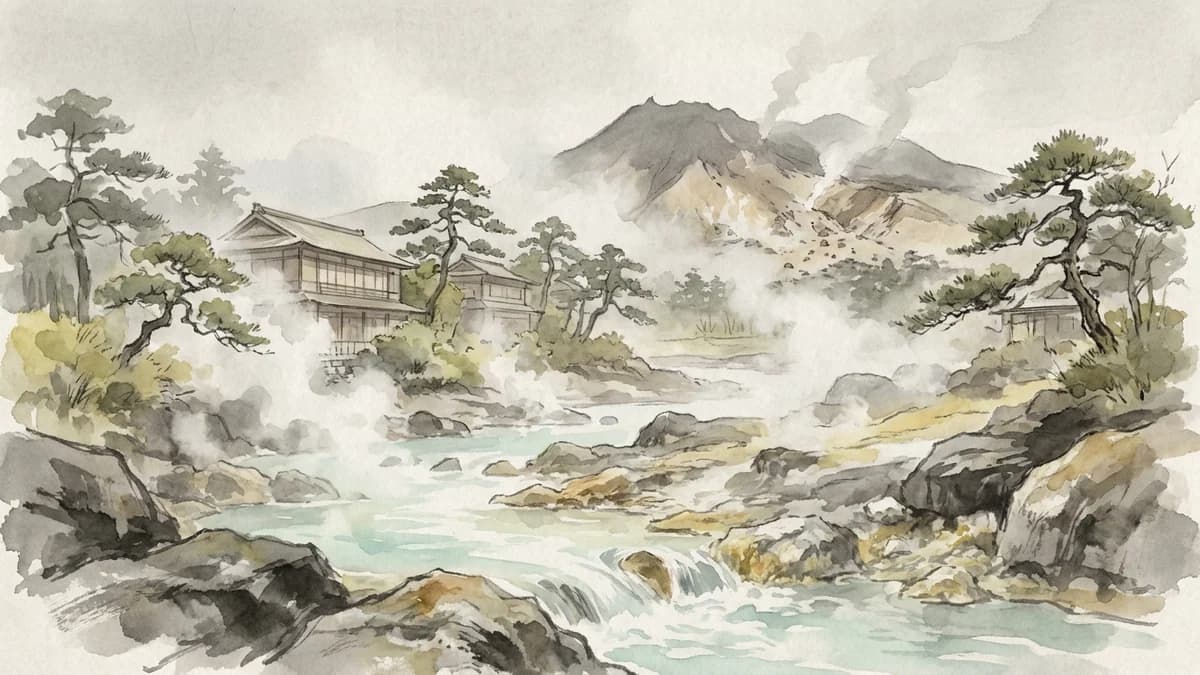
Asahidake Onsen is known for its Sulfate Spring; listed indications for this spring type include Skin Beauty, Wound Healing. Choose from 2 inns with a hot-spring analysis on file, filtering by spring type, benefits and amenities, and book directly.
See inns in Asahidake OnsenOn this page you can filter Asahidake Onsen inns by spring type, benefits, tattoo-friendly, private bath and in-room open-air bath, and book on each property's Agoda or Rakuten page.
Compare & book inns in Asahidake Onsen


Awaiting analysis(1)
Overview
Asahidake Onsen is a hot spring resort located at an elevation of 1,100 meters on the western flank of Mt. Asahidake, the main peak of Daisetsuzan National Park. It lies in a sacred area known to the Ainu people as "Kamuy Mintar," or "The Garden of the Gods," and is famed as Hokkaido's highest onsen. Its history is relatively recent, originating from the "Yukomanbetsu Onsen" discovered in 1914.
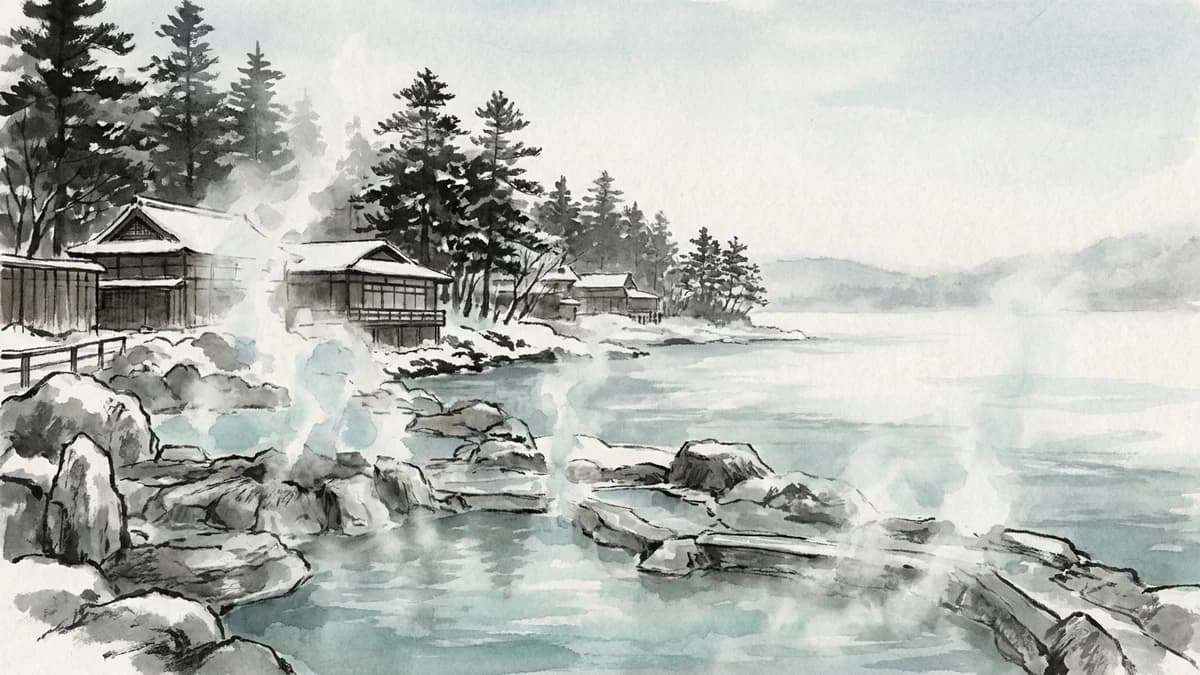
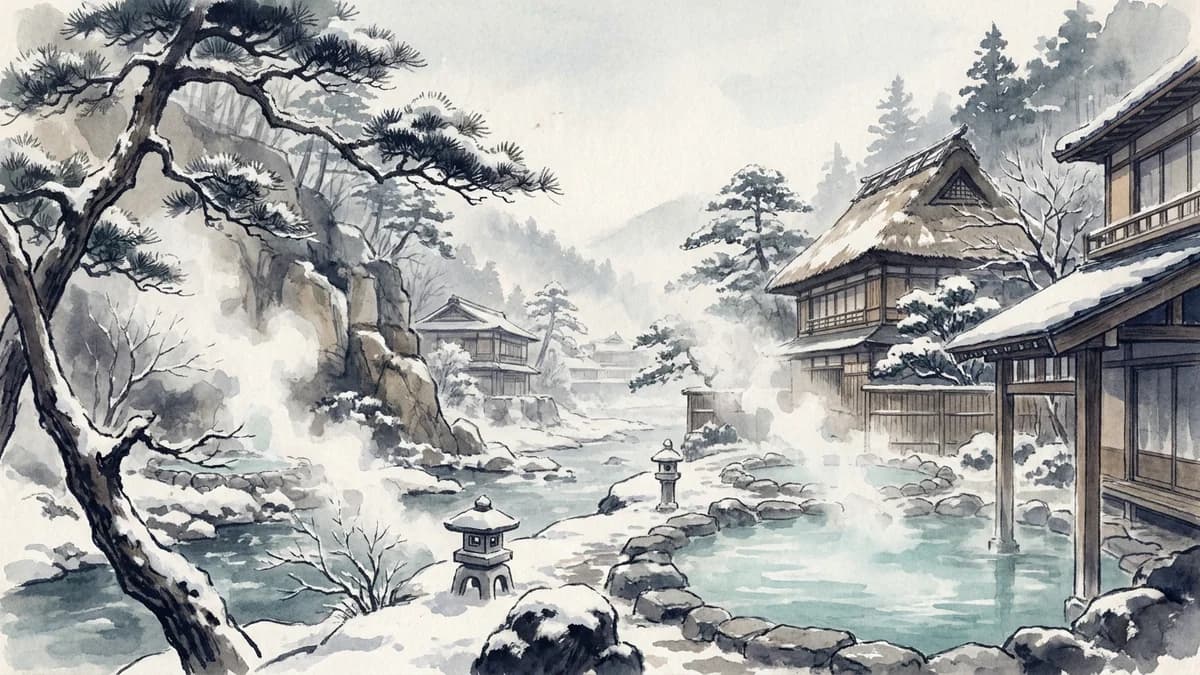
Encircled by untouched primeval forests, the area allows you to feel nature's pulse up close throughout the year: alpine flowers in summer, Japan's earliest autumn colors, and world-class powder snow in winter. The resort values harmony with nature, offering a tranquil retreat for mind and body rather than a bustling onsen town. It attracts visitors as a base for hiking and skiing, as well as a destination for therapeutic bathing and wellness journeys.
Key Spring Qualities & Benefits
The area has several spring sources, primarily calcium-magnesium-sodium-sulfate and chloride springs. Sulfate springs are often called "waters for wounds," believed to promote skin regeneration. Chloride springs create a salt veil on the skin, which helps retain body heat and provides a deeply warming effect.
- CutsThe mineral composition of the water, particularly its sulfate and chloride content, is traditionally associated with minor cuts, which are listed among the indications for chloride and sulfate springs. Soaking in the warm onsen can also improve blood flow, which is said to support the body's natural healing processes for minor abrasions.
- Poor circulation
- Sensitivity to coldThe chloride and sulfate content in the water helps create a coating on the skin, which prevents heat from escaping after your bath. This sustained warming effect can improve circulation and may offer relief to those who often feel cold.
- Dry skinThe minerals in the spring water, particularly sulfates and chlorides, form a thin film on the skin's surface. This film helps to lock in moisture and gives the skin a soothing feel, and dry skin is listed among the indications for chloride and sulfate springs.
- Rheumatoid arthritisSoaking in the warm, mineral-rich water is said to ease joint stiffness and relieve muscle tension, and chronic joint pain and stiffness are listed among the general indications for bathing.
Water Characteristics & Best Seasons
The source temperature is relatively high at around 50°C (122°F), with an abundant flow. Many facilities offer gensen-kakenagashi (free-flowing from the source), where the water is only cooled with fresh water, allowing you to enjoy pristine onsen water. The clear or slightly milky water is gentle on the skin, making it suitable for long soaks.
The best time to visit depends on your interests. From June to August, alpine flowers are in full bloom, perfect for hiking. From mid-September, Japan's earliest autumn foliage begins, painting the mountains in fiery colors. From December to May, the area buzzes with skiers and snowboarders seeking exceptional powder snow. No matter the season, breathtaking natural scenery and superb hot springs await.
Access
Nearby Attractions & Local Cuisine
- Asahidake Ropeway & Sugatami Pond Trail: Easily enjoy alpine flora, autumn colors, and snowscapes.
- Tenninkyo Gorge: Known for its beautiful columnar basalt cliffs and Hagoromo Falls.
- Asahiyama Zoo: Famous nationwide for its "behavioral exhibits" showing animals in their natural state (in Asahikawa city).
- Biei Hills & Blue Pond: A must-see for its patchwork-like hills and mystical blue pond.
- Asahikawa Ramen: A local specialty featuring a double soup of pork bone and seafood broth.
- Higashikawa Rice: Delicious rice grown with meltwater from the Daisetsuzan mountains.
- Mountain Bounty: Dishes made with fresh, locally sourced vegetables, mushrooms, and wild plants.
MORE WITH THE SAME SPRING TYPE
Loved the Sulphate Spring of Asahidake Onsen? Try these too
Picked from onsen across Japan where you can enjoy the same Sulphate Spring.





Q & A
Frequently Asked Questions
Tap any question to expand the answer
Can I narrow down to only inns with a hot-spring analysis in Asahidake Onsen?
Can I find tattoo-friendly inns with private baths or in-room open-air baths in Asahidake Onsen?
Onsen towns are often rural with patchy Wi-Fi and limited public transport. Sort out data, tours and a car before you go.
- Japan eSIMAiralo
- Japan eSIMYesim
- Tours, passes & transfersGetYourGuide
- Tours, passes & transfersKKday
- Car rentalDiscover Cars
Includes affiliate links
References
Famous Onsen Areas with Sulphate Spring
Check access and tourist information on each onsen area column
Related Articles