Yunogo Onsen is known for its Chloride Spring; listed indications for this spring type include Skin Beauty, Wound Healing. Choose an inn by spring type, benefits and amenities, and book directly.
See inns in Yunogo OnsenOn this page you can filter Yunogo Onsen inns by spring type, benefits, tattoo-friendly, private bath and in-room open-air bath, and book on each property's Agoda or Rakuten page.
Compare & book inns in Yunogo Onsen
Awaiting analysis(2)
Overview
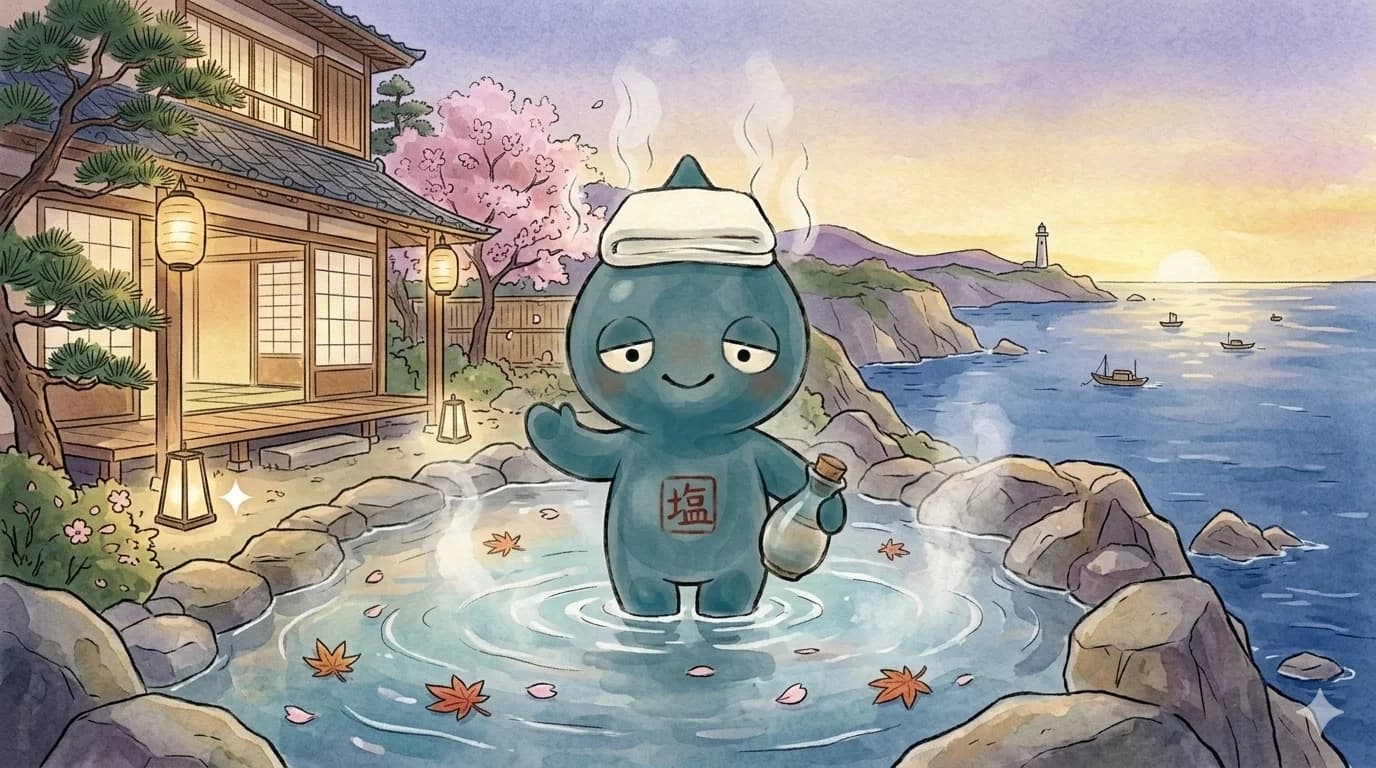
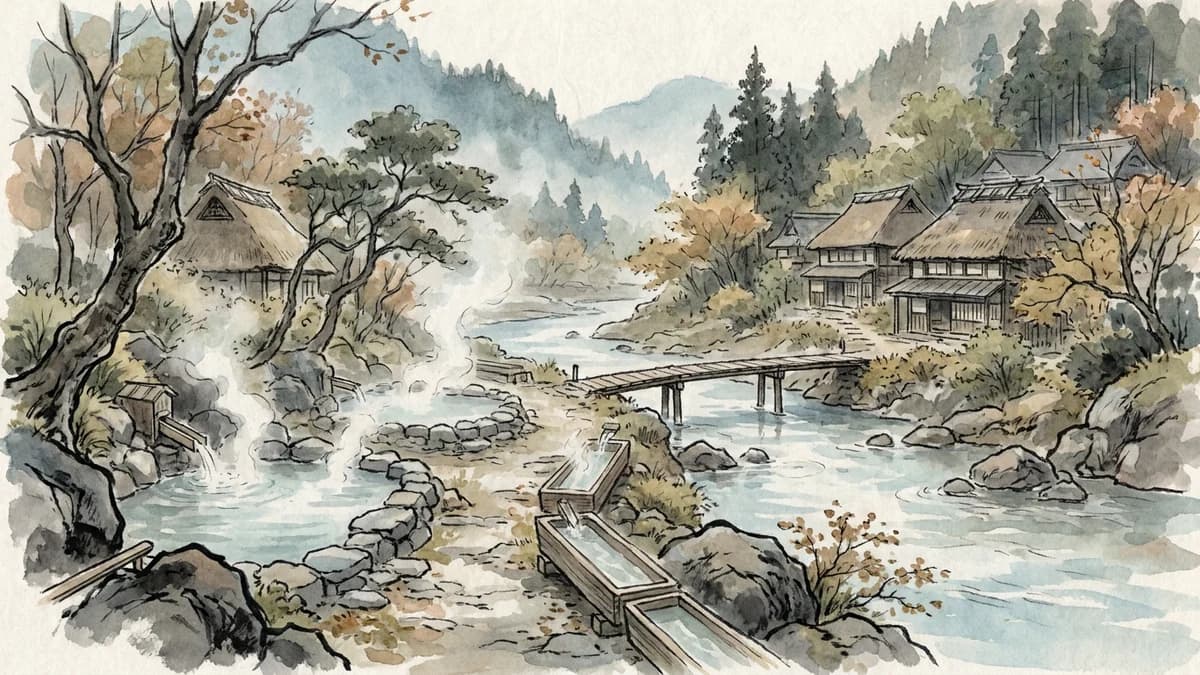
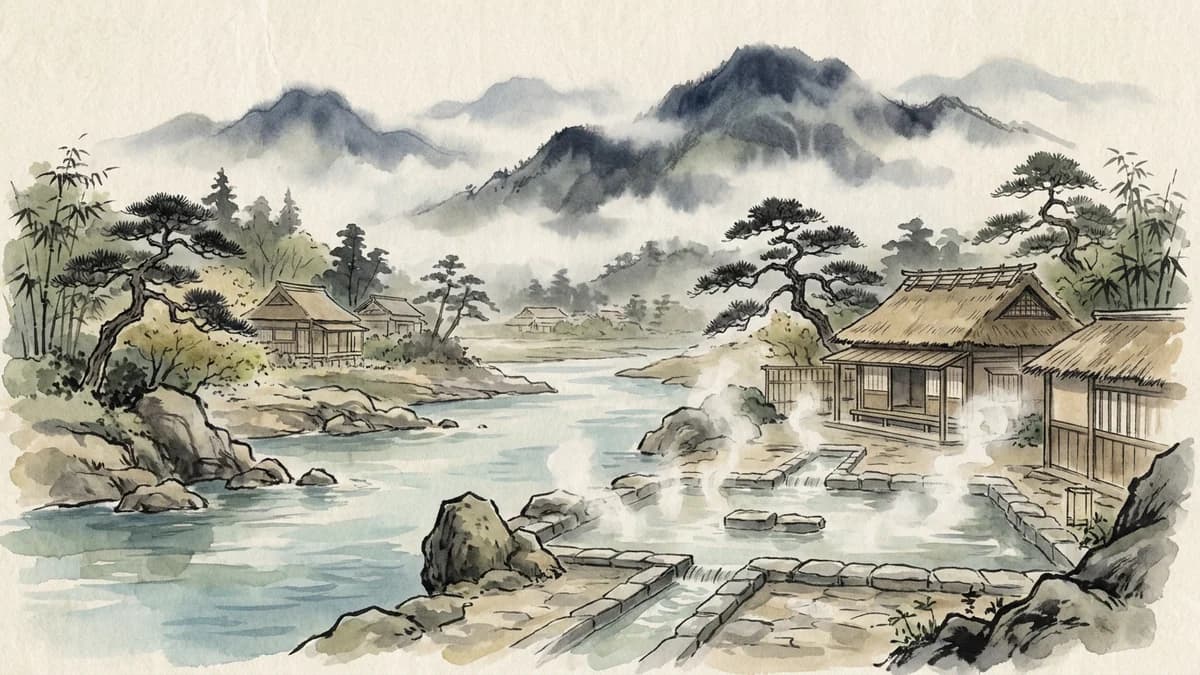
Located in the northeastern part of Okayama Prefecture, Yunogo Onsen is a historic hot spring resort. Its discovery dates back about 1,200 years to a legend where the high-ranking Heian period monk, Ennin, saw a white heron healing its leg in the water. This led to its alternate name, 'Sagi-no-yu' (Heron's Hot Spring), a story still cherished as a symbol of the town.
The spring water is clear, colorless, and gentle on the skin, long renowned not only for therapeutic bathing but also as a 'Bijin-no-yu' (spring of beauty). The town offers a variety of accommodations, from modern hotels to traditional ryokans with a nostalgic atmosphere, catering to different travel styles. It's a destination that meets a wide range of needs, from a quiet stay for deep relaxation to a fun family trip.
Main Spring Qualities & Benefits
The water quality at Yunogo Onsen is a Sodium/Calcium-Chloride/Sulfate spring. The salt content forms a thin veil on the skin, which helps prevent moisture from evaporating after bathing and keeps the body warm. It is also called a 'spring of beauty' as it is expected to soften the skin's outer layer, leaving it smooth.
- CutsThe salt content in this Sodium-Calcium Chloride spring is said to have a cleansing effect, and cuts are listed among the indications for chloride springs. The water's mineral coating is also said to help retain warmth after bathing.
- Peripheral circulatory disorders
- Sensitivity to coldThe salt components in the water adhere to the skin, forming a thin veil that prevents body heat from escaping after bathing. This lasting warming effect, known as high heat retention, is said to promote circulation, and sensitivity to cold is listed among the indications for chloride springs.
- Dry skinThis spring is renowned as a "Beauty-enhancing water" for its moisturizing properties. The salt content forms a fine layer on the skin, which locks in natural moisture and prevents it from evaporating, leaving the skin feeling hydrated and smooth.
- Rheumatoid arthritis
- Decreased gastrointestinal function
Water Characteristics & Best Season
The source temperature is a relatively mild 40°C (104°F), but most facilities heat the water for comfortable bathing. The onsen has an abundant flow, and some ryokans offer the luxury of free-flowing spring water directly from the source. Okayama Prefecture is known as the 'Land of Sunshine' for its stable climate, making it a pleasant destination year-round. The best times to visit are spring (March-May) and autumn (October-November) when the mild weather is perfect for strolling through the onsen town.
Access
Nearby Attractions & Local Cuisine
- Yunogo Railway Model Museum & Retro Toy Hall: Features intricate model train dioramas.
- Museum of Contemporary Toys & Musical Box Dream Hall: Exhibits unique toys and beautiful music boxes from around the world.
- Oyama Observatory: A scenic spot with panoramic views of the onsen town and surrounding mountains.
- Showa-kan Toy Museum: Displays nostalgic toys and daily goods from the Showa era (1926-1989).
- Mimasaka Farm: A tourist farm where you can enjoy seasonal fruit picking, such as strawberries and grapes.
- Chiya Beef: Okayama's brand of wagyu beef, known for its melt-in-your-mouth texture.
- Tsuyama Horumon Udon: A local specialty from the nearby city of Tsuyama, featuring fresh offal and a miso-based sauce.
- Mamakari Sushi: A local dish made with 'mamakari', a fish famous in Okayama.
MORE WITH THE SAME SPRING TYPE
Loved the Chloride Spring of Yunogo Onsen? Try these too
Picked from onsen across Japan where you can enjoy the same Chloride Spring.


Q & A
Frequently Asked Questions
Tap any question to expand the answer
Can I narrow down to only inns with a hot-spring analysis in Yunogo Onsen?
Can I find tattoo-friendly inns with private baths or in-room open-air baths in Yunogo Onsen?
Onsen towns are often rural with patchy Wi-Fi and limited public transport. Sort out data, tours and a car before you go.
- Japan eSIMAiralo
- Japan eSIMYesim
- Tours, passes & transfersGetYourGuide
- Tours, passes & transfersKKday
- Car rentalDiscover Cars
Includes affiliate links
References
Famous Onsen Areas with Chloride Spring
Check access and tourist information on each onsen area column
Related Articles