Okutsu Onsen is known for its Simple Hot Spring; listed indications for this spring type include Fatigue, Insomnia. Choose from 1 inns with a hot-spring analysis on file, filtering by spring type, benefits and amenities, and book directly.
See inns in Okutsu OnsenOn this page you can filter Okutsu Onsen inns by spring type, benefits, tattoo-friendly, private bath and in-room open-air bath, and book on each property's Agoda or Rakuten page.
Compare & book inns in Okutsu Onsen
Overview
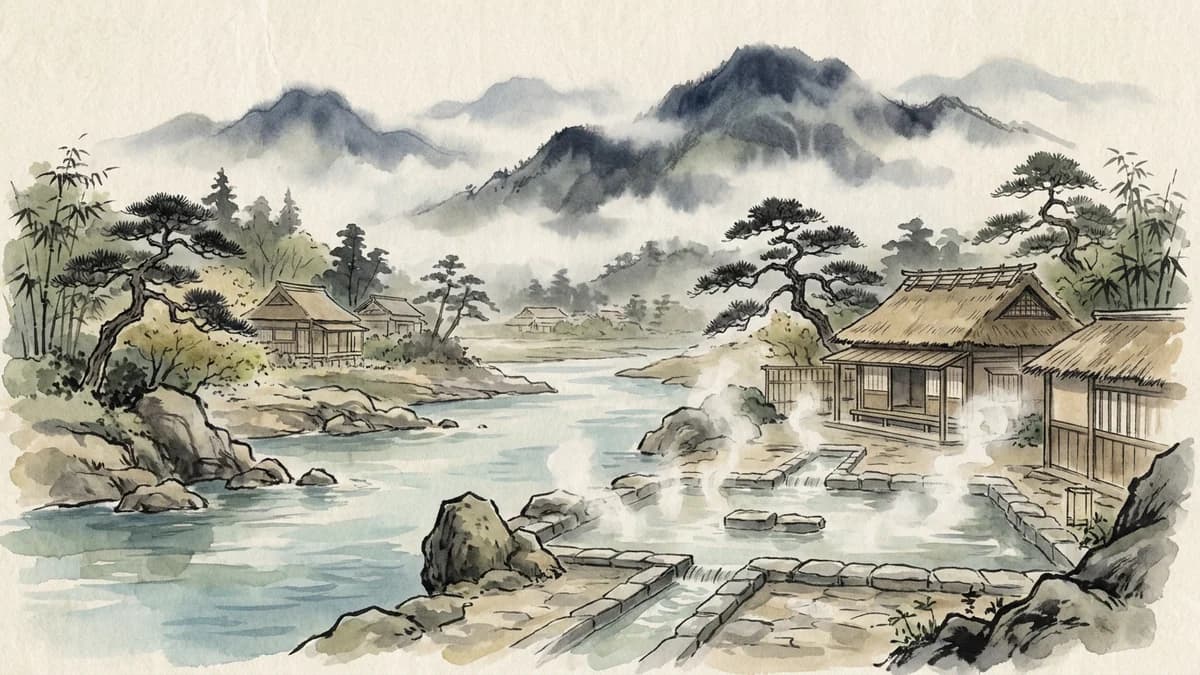
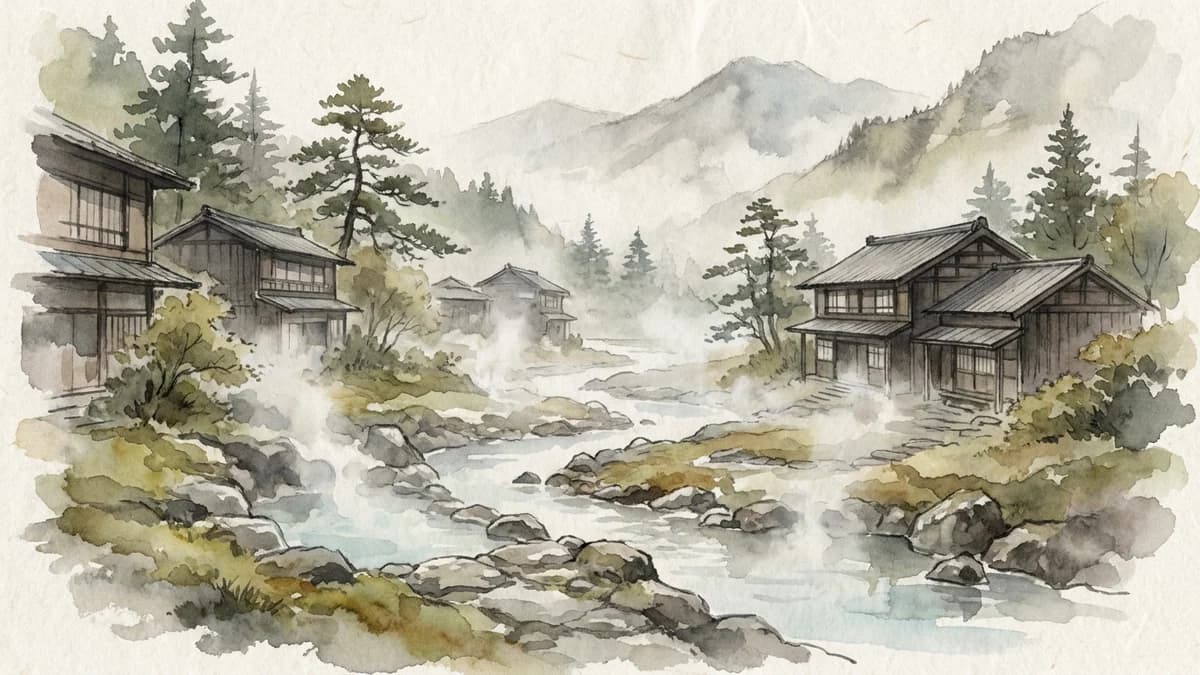
Located in northern Okayama Prefecture, Okutsu Onsen, along with Yubara and Yunogo Onsen, forms the historic 'Mimasaka-santo' (Three Hot Springs of Mimasaka). Its history dates back to the Edo period when it was a cherished spa retreat for the lord of the Tsuyama Domain. The onsen town stretches along the scenic Yoshino River valley, offering beautiful natural scenery in every season, especially during autumn.
A unique symbol of Okutsu Onsen is the 'ashibumi sentaku,' a traditional method of washing kimono by treading on them in the river. This practice is said to have originated as a way for women to wash clothes while standing, to guard against bears and wolves. Today, demonstrations are held for tourists, adding to the onsen's tranquil and nostalgic atmosphere.
Spring Type & Potential Benefits
Okutsu Onsen's water is an alkaline simple thermal spring with a pH level exceeding 9.0. This high alkalinity acts like a natural soap, gently exfoliating the skin's old layers, which may lead to a silky smooth feeling after bathing. Its extremely low-irritant quality makes it suitable for everyone, including those with sensitive skin, children, and the elderly, earning it the nickname 'bijin-no-yu' (water for beauty).
- Autonomic instabilitySoaking in the lukewarm, approximately 40°C water is said to help the body settle into a relaxed state. The gentle, relaxing effect of the simple thermal spring may aid in restoring balance to autonomic functions.
- InsomniaThe gentle warmth of the spring, ideal for long soaks, helps to relax both mind and body. This deep relaxation is said to make it easier to fall asleep, and insomnia is listed among the indications for simple thermal springs.
- Depressive states
- Dry skinThe water is rich in metasilicic acid, which is said to help keep the skin moisturized. Its alkaline quality also gives the skin an exceptionally smooth and supple feel after bathing.
- Sensitivity to coldThe spring's warmth promotes better blood circulation, which can help warm the body from the inside out. Regular bathing may improve the body's ability to regulate temperature and reduce chronic feelings of coldness.
Water Characteristics & Best Season
The water is colorless, odorless, and has a smooth, almost clinging texture on the skin. Many inns feature 'gensen kakenagashi' baths, where the water flows directly from the source, allowing you to enjoy it in its freshest state. With temperatures ranging from a mild 38°C to a comfortable 44°C, the water is perfect for long, relaxing soaks that warm you from the inside out, promoting deep relaxation.
While Okutsu Onsen is a wonderful destination year-round, the best time to visit is in autumn (late October to mid-November) when the Okutsu Valley is ablaze with colorful foliage. A post-hike soak is exceptionally rewarding. The fresh green of spring, riverside fun in summer, and serene snowscapes in winter each offer a unique and beautiful experience.
Access
Sightseeing & Local Cuisine
- Okutsu Valley: A nationally designated Place of Scenic Beauty, stunning during the autumn foliage season.
- Foot-Washing Demonstration: Watch the 'ashibumi sentaku' at the washing spot by Okutsu Bridge (Sundays & holidays, March to early Dec).
- Michi-no-Eki 'Okutsu Onsen': A roadside station selling local specialties and fresh produce.
- Kagamino Art Museum: Features a collection of Japanese and international print art.
- Hirame (Amago Trout) Dishes: Enjoy salt-grilled or simmered sweet 'amago' trout from the clear streams.
- Botan-nabe: A winter delicacy, this hot pot features wild boar meat.
- Onsen-steamed Pudding: A smooth, creamy dessert cooked using the steam from the hot springs.
MORE WITH THE SAME SPRING TYPE
Loved the Simple Spring of Okutsu Onsen? Try these too
Picked from onsen across Japan where you can enjoy the same Simple Spring.




Q & A
Frequently Asked Questions
Tap any question to expand the answer
Can I narrow down to only inns with a hot-spring analysis in Okutsu Onsen?
Can I find tattoo-friendly inns with private baths or in-room open-air baths in Okutsu Onsen?
Onsen towns are often rural with patchy Wi-Fi and limited public transport. Sort out data, tours and a car before you go.
- Japan eSIMAiralo
- Japan eSIMYesim
- Tours, passes & transfersGetYourGuide
- Tours, passes & transfersKKday
- Car rentalDiscover Cars
Includes affiliate links
References
Famous Onsen Areas with Simple Spring
Check access and tourist information on each onsen area column
Related Articles