Tawarayama Onsen is known for its Simple Hot Spring; listed indications for this spring type include Fatigue, Insomnia. Choose from 1 inns with a hot-spring analysis on file, filtering by spring type, benefits and amenities, and book directly.
See inns in Tawarayama OnsenOn this page you can filter Tawarayama Onsen inns by spring type, benefits, tattoo-friendly, private bath and in-room open-air bath, and book on each property's Agoda or Rakuten page.
Compare & book inns in Tawarayama Onsen
Awaiting analysis(1)
Overview
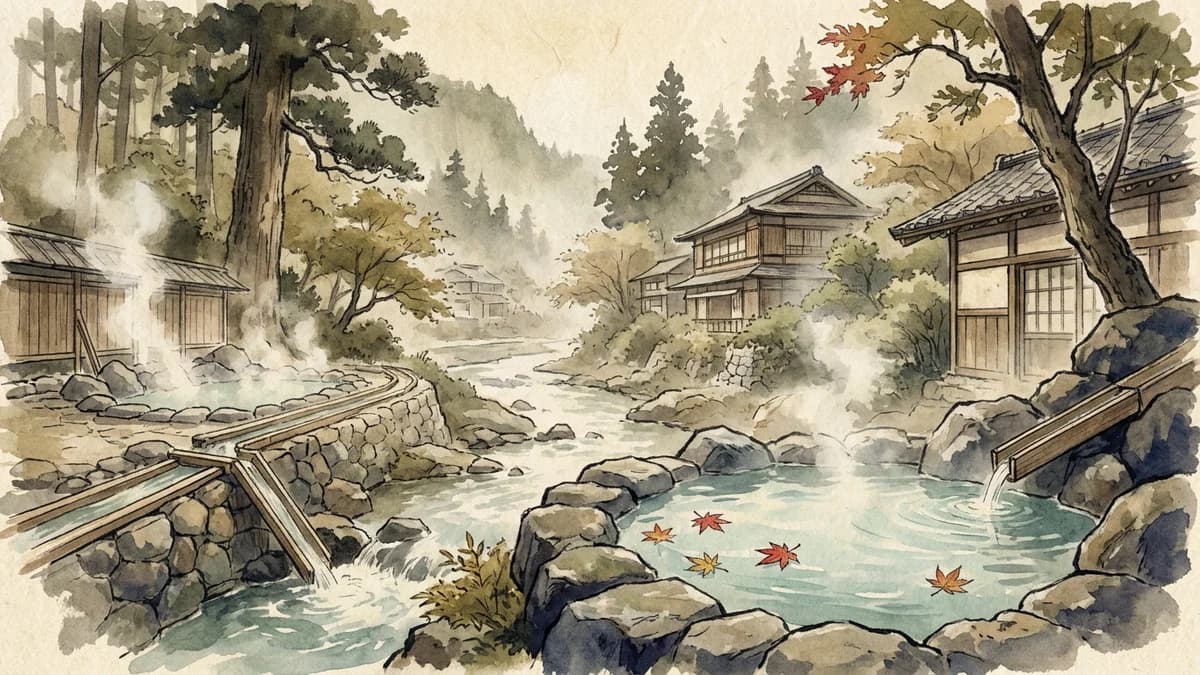
Tawarayama Onsen, located in the mountains of Nagato City, Yamaguchi, is a historic spa town known for its therapeutic bathing, or "tōji." Its history dates back to the Heian period, over 1,100 years ago. Legend holds that the spring was discovered by a white monkey healing its wounds, a story still told today as a symbol of the water's restorative power.
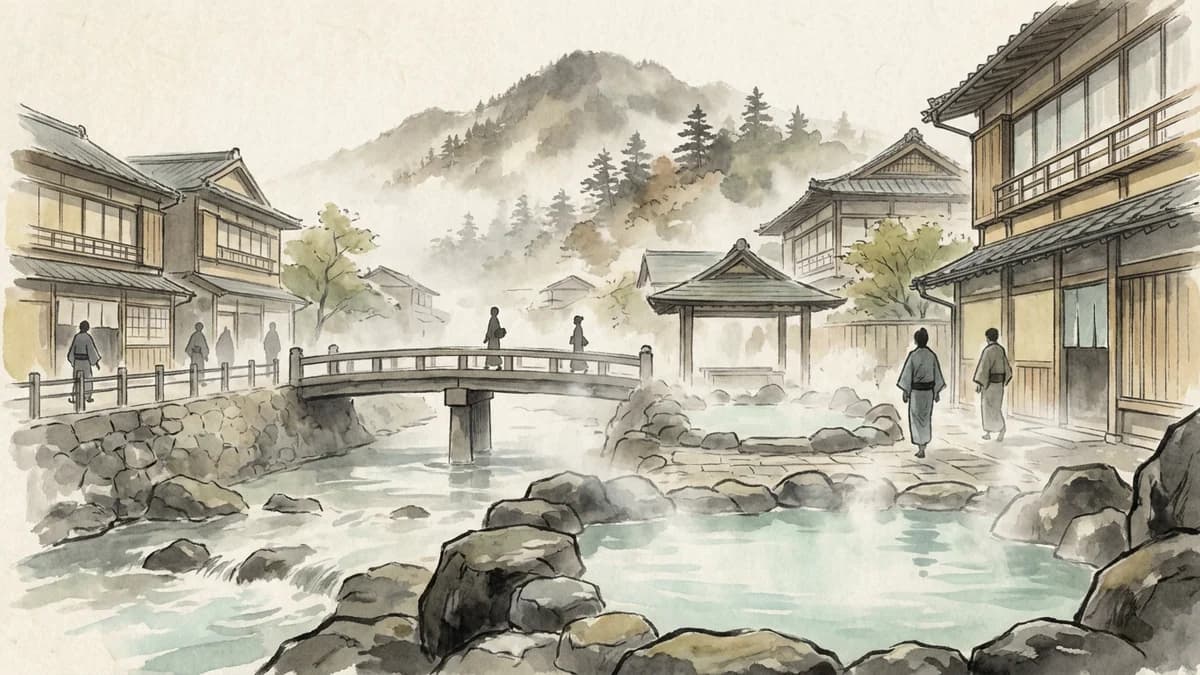
A key feature of this onsen town is its "sotoyu" (public bathhouse) culture. Guests staying at local inns (ryokan) often stroll between their accommodation and the town's communal baths in traditional yukata robes. The two main public baths, "Machi-no-yu" and "Shirozaru-no-yu," each offer a unique atmosphere, providing visitors with an experience of deep relaxation. Soaking slowly in the lukewarm water helps release physical and mental tension, allowing for a sense of restored vitality.
Primary Spring Type and Indications
The water at Tawarayama Onsen is classified as a simple alkaline thermal spring. With a very high pH of 9.8, it is renowned as a "bijin-no-yu" (beauty-enhancing water), as it may help to gently exfoliate the skin, leaving it feeling smooth. The water is mild and gentle, making it suitable for all ages.
- Autonomic instabilityThe gentle, lukewarm water is less taxing on the body, allowing for prolonged, relaxing soaks. This deep relaxation may help soothe the nervous system and restore balance, addressing issues tied to stress.
- InsomniaA long, calming soak in the lukewarm spring water can help ease mental and physical tension. This deep relaxation, combined with the gentle warming of the body, may promote better and more restful sleep.
- Depressive states
- Sensitivity to coldSoaking for an extended time in the gentle, lukewarm water warms the body thoroughly from the core. This sustained heat can help improve peripheral blood circulation, potentially alleviating persistent feelings of coldness.
- Peripheral circulatory disturbance
Water Characteristics and Best Season to Visit
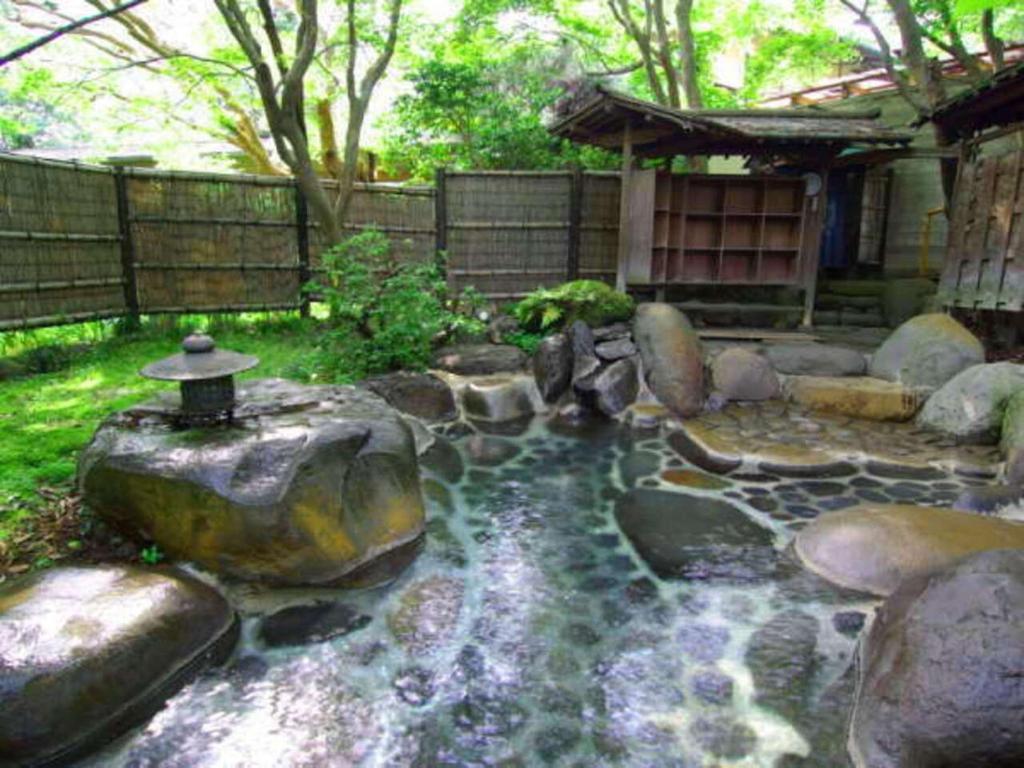
A major characteristic is the relatively low source temperature of 38-41°C (100-106°F), known as "nuruyu" (lukewarm water). This allows for long, comfortable soaks without putting stress on the body, warming you thoroughly from the core. Many facilities feature free-flowing spring water directly from the source.
While enjoyable year-round, the mild climates of spring and autumn are particularly ideal for strolling through the charming onsen town. It's the perfect setting to immerse yourself in the traditional tōji culture in a quiet mountain village.
Access
Nearby Sightseeing and Local Cuisine
- Motonosumi Shrine: A stunning view of 123 red torii gates lined up towards the sea.
- Tsunoshima Bridge: A beautiful bridge spanning across emerald-green waters.
- Akiyoshidai Quasi-National Park: Japan's largest karst plateau.
- Akiyoshido Cave: One of the largest limestone caves in Japan.
- Kawara Soba: A Yamaguchi specialty of green tea soba noodles fried on a hot roof tile.
- Fugu (Pufferfish) Cuisine: The nearby city of Shimonoseki is famous for its fugu catch.
- Choshu-dori Chicken: Dishes made with a local brand of chicken from Yamaguchi.
MORE WITH THE SAME SPRING TYPE
Loved the Simple Spring of Tawarayama Onsen? Try these too
Picked from onsen across Japan where you can enjoy the same Simple Spring.




Q & A
Frequently Asked Questions
Tap any question to expand the answer
Can I narrow down to only inns with a hot-spring analysis in Tawarayama Onsen?
Can I find tattoo-friendly inns with private baths or in-room open-air baths in Tawarayama Onsen?
Onsen towns are often rural with patchy Wi-Fi and limited public transport. Sort out data, tours and a car before you go.
- Japan eSIMAiralo
- Japan eSIMYesim
- Tours, passes & transfersGetYourGuide
- Tours, passes & transfersKKday
- Car rentalDiscover Cars
Includes affiliate links
References
Famous Onsen Areas with Simple Spring
Check access and tourist information on each onsen area column
Related Articles