Yuda Onsen is known for its Simple Hot Spring; listed indications for this spring type include Fatigue, Insomnia. Choose an inn by spring type, benefits and amenities, and book directly.
See inns in Yuda OnsenOn this page you can filter Yuda Onsen inns by spring type, benefits, tattoo-friendly, private bath and in-room open-air bath, and book on each property's Agoda or Rakuten page.
Compare & book inns in Yuda Onsen
Awaiting analysis(8)
Overview
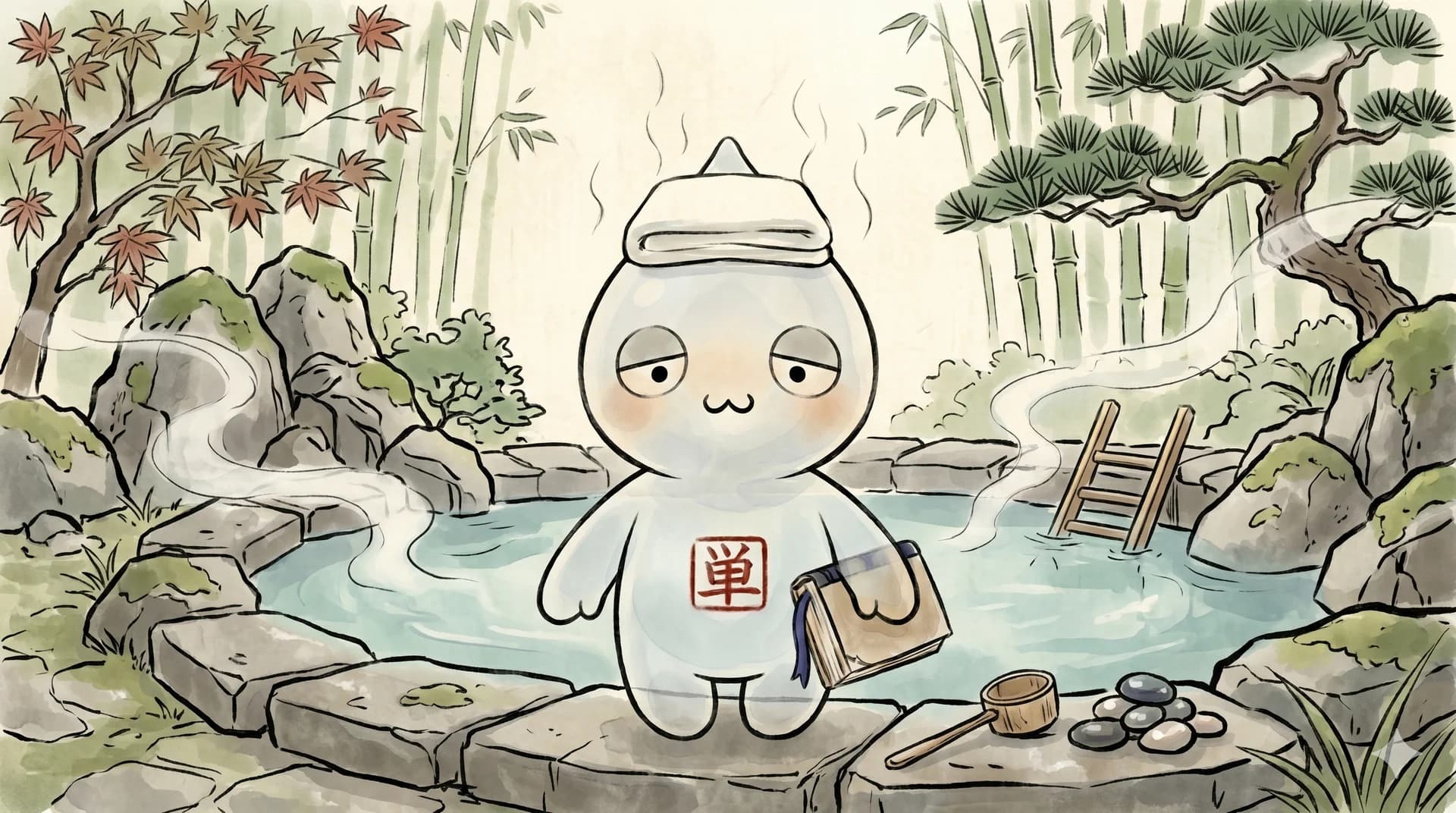
Yuda Onsen is an urban hot spring resort located in the central district of Yamaguchi City, the prefectural capital. Its history dates back about 800 years, beginning when hot water sprung from a pond on the grounds of a temple at the foot of Mt. Gongen. According to the "Legend of the White Fox," a fox with an injured leg was seen visiting the pond every night. When the temple priest checked the water, he found it was warm, leading to the discovery of the onsen.
The onsen boasts an abundant flow of 2,000 tons of water per day, with a high source temperature exceeding 70°C (158°F). The water is an alkaline simple spring, prized for its exceptionally soft feel on the skin and its cleansing properties, earning it the nickname "Bijin-no-yu" (water for beautiful skin). This gentle water is said to ease physical and mental tension, promoting deep relaxation. The area also has historical significance, as it was a meeting place for the pro-imperial activists of the Meiji Restoration, with traces of this history found throughout the town.
Spring Type and Indications
The primary spring type at Yuda Onsen is an alkaline simple spring with a high pH of 9.14. This gentle water is mild on the skin and is believed to have a cleansing effect that removes old keratin, leaving the skin smooth. It is colorless, odorless, and tasteless, making it enjoyable for everyone.
- Autonomic instabilityThe gentle warmth of this simple alkaline spring can help calm the nervous system. Soaking in the water may help regulate bodily functions, potentially easing the tension and stress associated with an imbalanced autonomic state.
- InsomniaThe relaxing properties of the warm, simple alkaline water are said to help prepare the body for restful sleep. Soaking in the evening may alleviate stress and tension, which are common contributors to sleeplessness, promoting a natural transition into sleep.
- Poor circulationBathing in the hot spring water helps to warm the body from its core, which can improve blood flow throughout. This deep-warming effect may alleviate the chronic feeling of coldness, particularly in the hands and feet.
- Dry skinThe spring's high alkalinity gives the water a smooth feel, leaving the skin feeling smooth and refreshed. As a simple hot spring, its low mineral content is gentle and less likely to irritate sensitive or dry skin.
- Peripheral circulatory disorders
Water Characteristics and Best Season
With a very high source temperature of 72°C (162°F) and a plentiful daily flow of 2,000 tons, many ryokans and facilities offer baths with free-flowing spring water (gensen kakenagashi) without added cold water or heating. The alkaline water has a cleansing effect, leaving you feeling refreshed yet with moisturized, smooth skin after your bath. Despite its urban setting, the town is dotted with free public footbaths (ashiyu), allowing visitors to easily experience the onsen culture. The climate is stable year-round, making it a comfortable destination in any season.
Access
Nearby Sightseeing & Local Gourmet
- Ruriko-ji Temple Five-Storied Pagoda: A National Treasure and one of Japan's three most beautiful pagodas.
- Kawara Soba: A local specialty of green tea soba noodles fried on a hot roof tile and served with a warm dipping sauce.
- Fugu (Pufferfish) Cuisine: A signature winter delicacy of Yamaguchi Prefecture, famous in nearby Shimonoseki.
- Free Footbath Tour: Experience the hot springs casually at six free public footbaths scattered throughout the town.
- Kozan Park: A park adjacent to Ruriko-ji Temple, beautiful with seasonal nature.
- Yamaguchi Xavier Memorial Cathedral: A church built to commemorate the visit of St. Francis Xavier.
- Joei-ji Temple Sesshu's Garden: A nationally designated Place of Scenic Beauty, said to have been designed by the Muromachi-period artist-monk Sesshu.
- Yuda Onsen White Fox Festival: A festival based on the white fox legend, held in early April each year.
MORE WITH THE SAME SPRING TYPE
Loved the Simple Spring of Yuda Onsen? Try these too
Picked from onsen across Japan where you can enjoy the same Simple Spring.



Q & A
Frequently Asked Questions
Tap any question to expand the answer
Can I narrow down to only inns with a hot-spring analysis in Yuda Onsen?
Can I find tattoo-friendly inns with private baths or in-room open-air baths in Yuda Onsen?
Onsen towns are often rural with patchy Wi-Fi and limited public transport. Sort out data, tours and a car before you go.
- Japan eSIMAiralo
- Japan eSIMYesim
- Tours, passes & transfersGetYourGuide
- Tours, passes & transfersKKday
- Car rentalDiscover Cars
Includes affiliate links
References
Famous Onsen Areas with Simple Spring
Check access and tourist information on each onsen area column
Related Articles