Amagase Onsen is known for its Sulfur Spring; listed indications for this spring type include Dry Skin / Atopy, Asthma. Choose from 2 inns with a hot-spring analysis on file, filtering by spring type, benefits and amenities, and book directly.
See inns in Amagase OnsenOn this page you can filter Amagase Onsen inns by spring type, benefits, tattoo-friendly, private bath and in-room open-air bath, and book on each property's Agoda or Rakuten page.
Compare & book inns in Amagase Onsen


Awaiting analysis(4)
Overview
Amagase Onsen boasts a history of over 1,300 years, with its existence hinted at in the "Bungo-no-kuni Fudoki," an ancient record from the Nara period. It is counted as one of the "Three Great Onsen of Bungo" along with Beppu and Yufuin, and has long been a popular destination for therapeutic bathing.
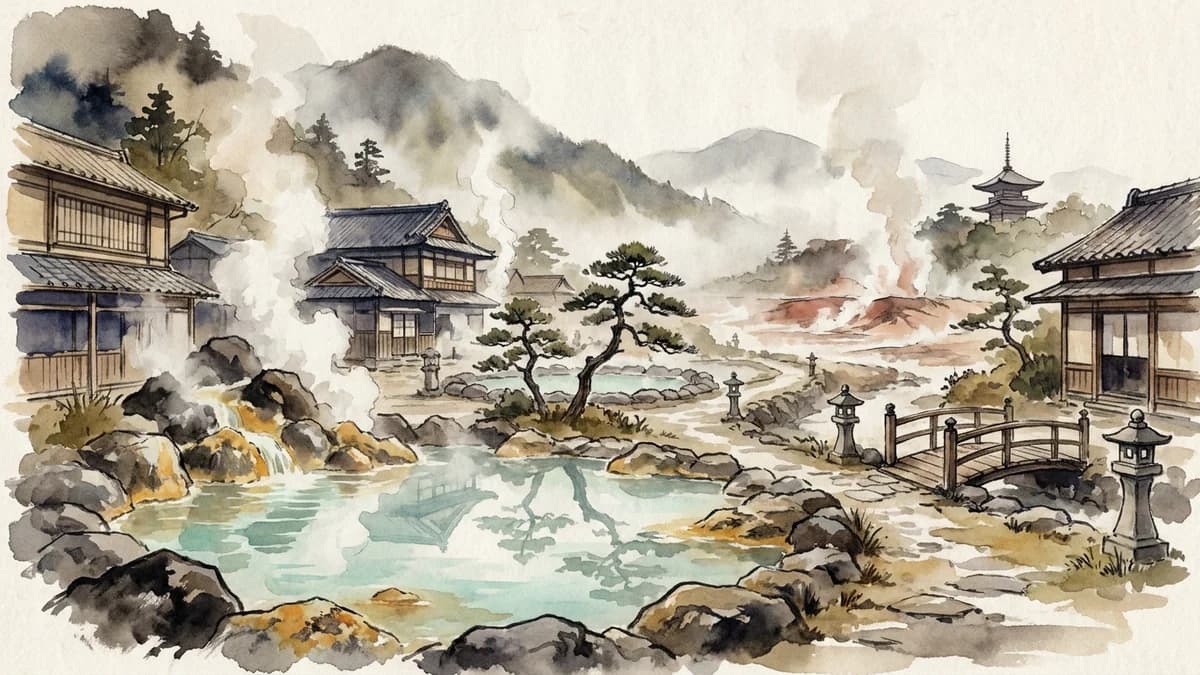
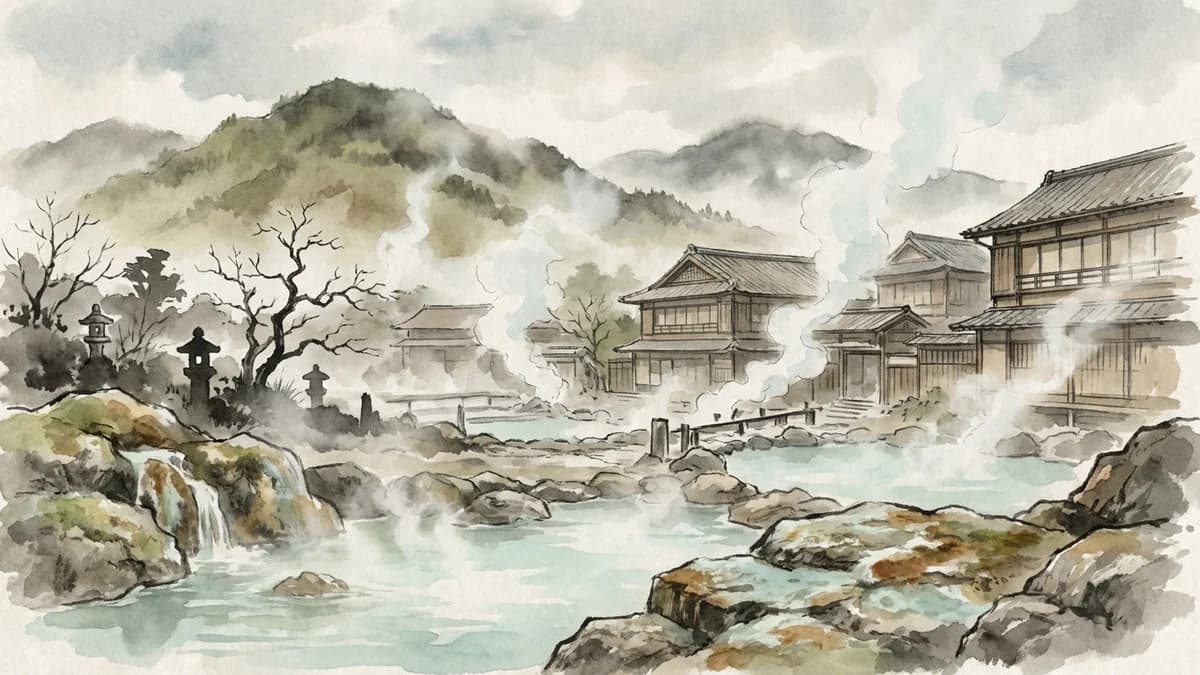
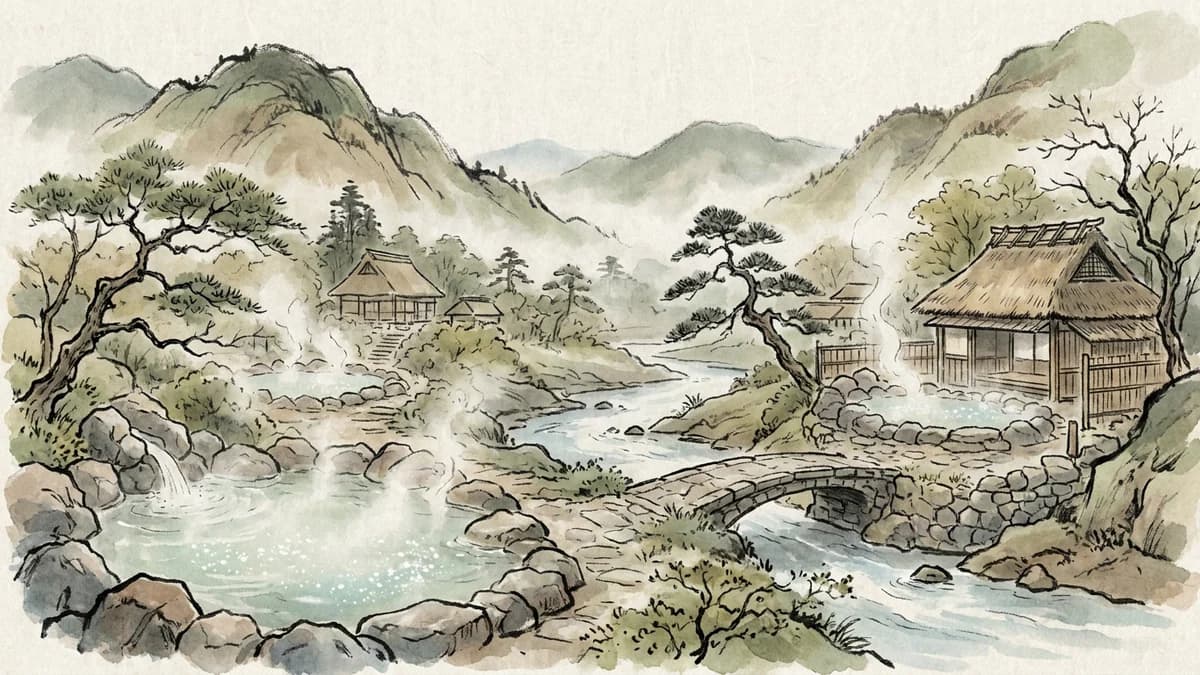
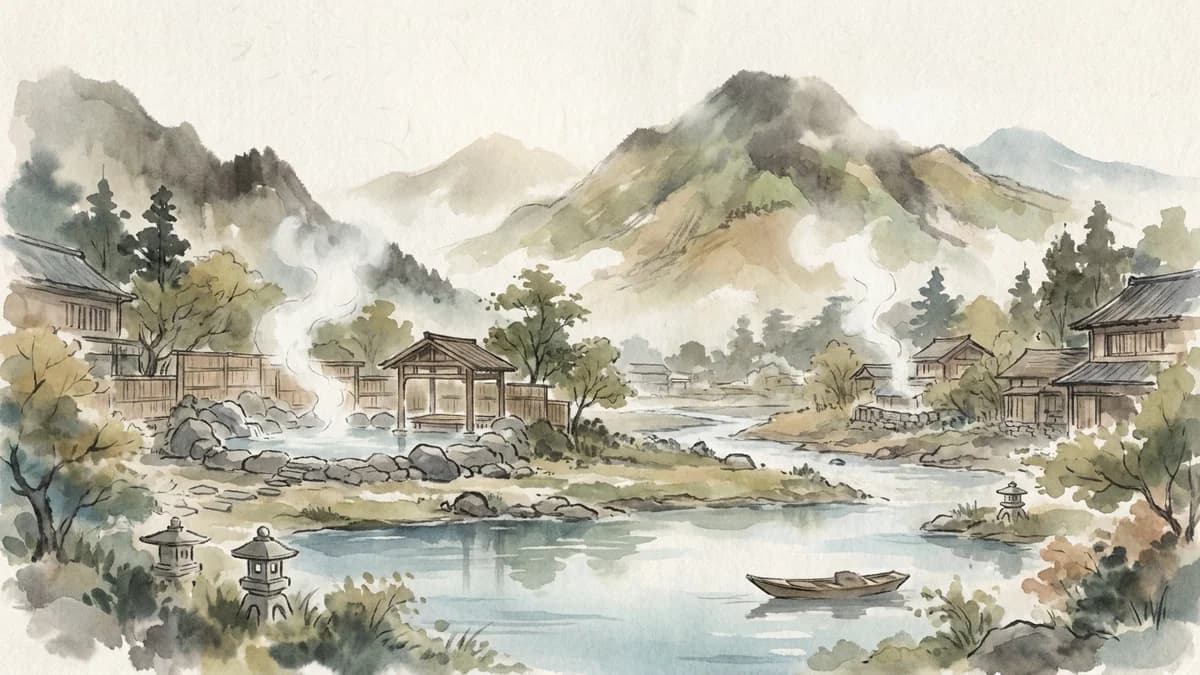
The most distinctive feature of this onsen town is the series of communal open-air baths, called "kawayu," located along the banks of the Kusu River. These baths offer an incredibly liberating experience, allowing you to feel at one with nature. Although the area suffered significant damage from torrential rains in 2020, it is gradually regaining its charm thanks to the dedicated recovery efforts of the local community. Many inns have their own private spring sources, allowing visitors to enjoy a variety of unique baths.
Key Spring Water Types and Benefits
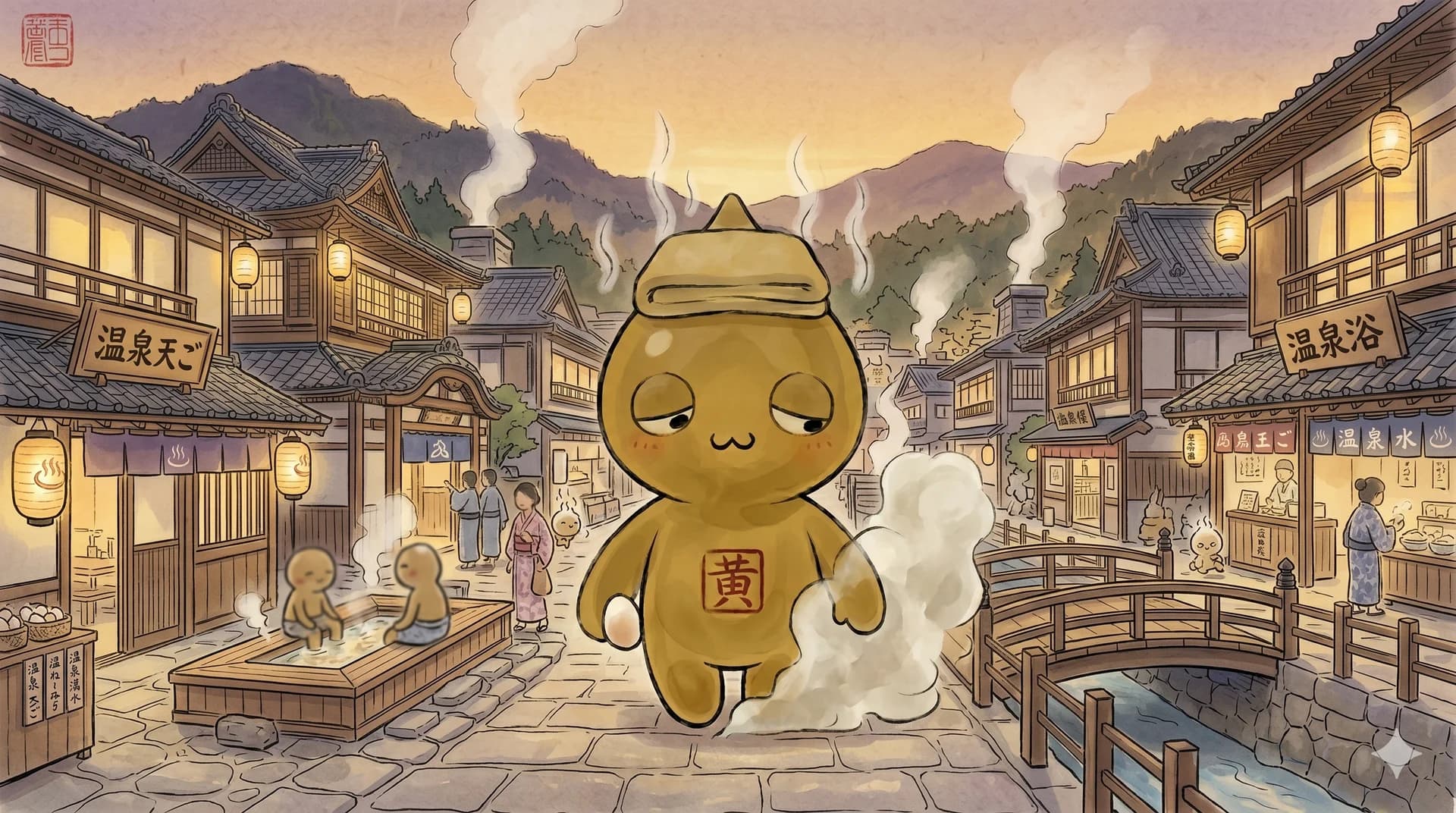
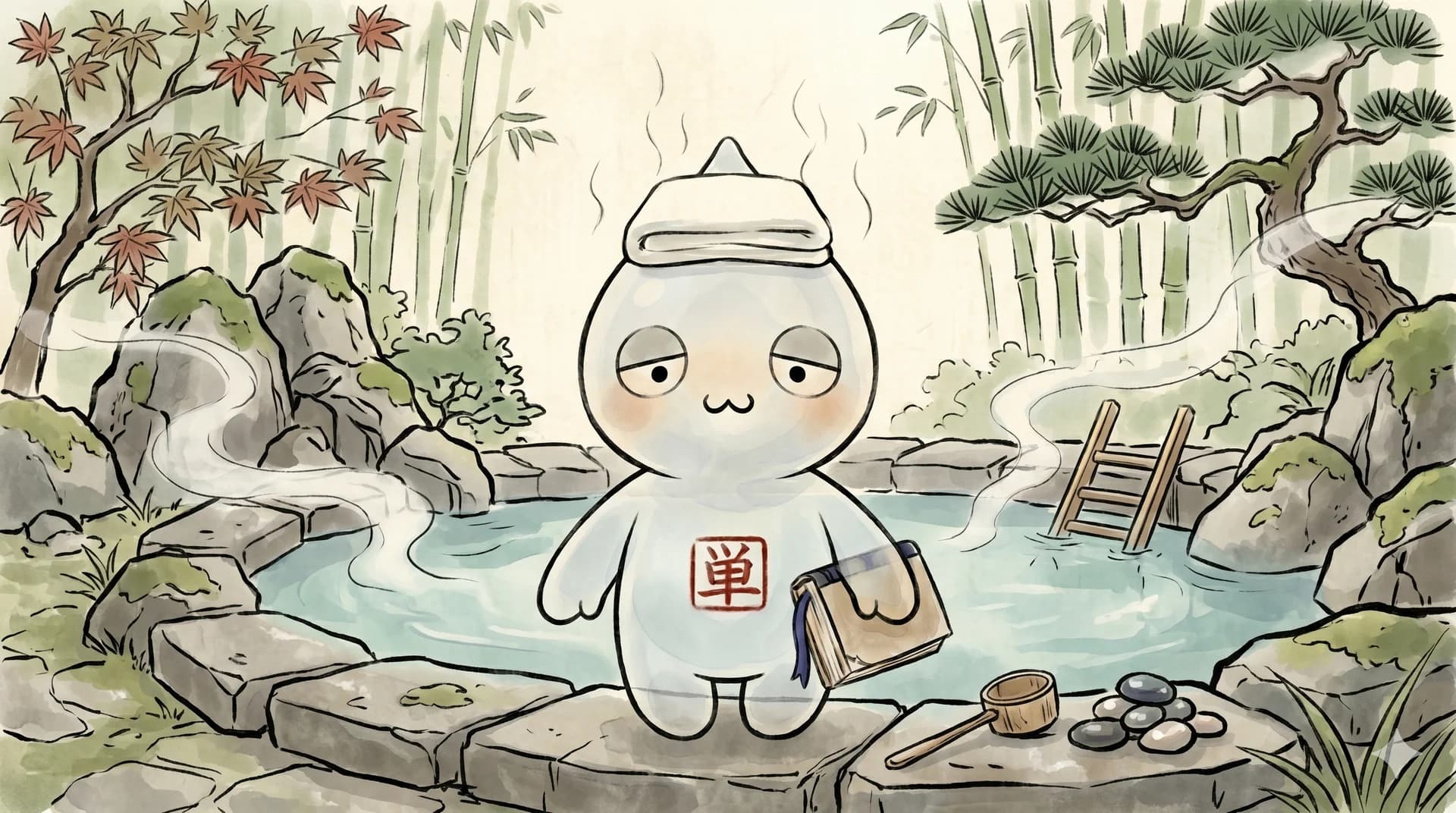
The main spring type in Amagase Onsen is sulfur spring, recognizable by its faint egg-like aroma. This water quality is known as a "beauty spring" because it is said to soften and remove old skin cells and inhibit melanin production. You can expect your skin to feel smooth after bathing, a true "silky skin" experience. Some locations also offer gentle simple thermal springs, allowing you to choose based on your preference.
- Atopic dermatitisThe sulfurous water is said to leave the skin feeling softer and smoother, and atopic dermatitis is listed among the indications for sulfur springs.
- Psoriasis vulgaris
- Chronic eczemaSoaking in these sulfur-rich waters can help soften and smooth the skin's surface. This may provide relief from the persistent roughness and discomfort associated with chronic eczema.
- Impaired glucose tolerance (Diabetes)
- Cuts
- Poor circulation
- Dry skin
Water Characteristics and Best Seasons
The source temperature is very high, ranging from 80 to 100°C (176-212°F), with an abundant flow of water. As a result, many inns and public baths cool the free-flowing spring water to a comfortable temperature by adding river or stream water. The best seasons to enjoy the rustic riverside baths are spring, with its fresh green foliage, and autumn, when the area is enveloped in vibrant fall colors. In winter, you may even have the special experience of bathing while admiring a snowy landscape.
Access
Nearby Sightseeing and Local Cuisine
- Jion-no-taki Falls: An impressive two-tiered waterfall.
- Sakura-daki Falls: An elegant and beautiful, feminine waterfall.
- Mameda-machi, Hita: Stroll through the "Little Kyoto of Kyushu," which retains its Edo-period atmosphere.
- Takatsuka Atago Jizouson: A sacred site believed to grant wishes.
- Hita Yakisoba: A local specialty featuring crispy fried noodles.
- Ayu (sweetfish) dishes: Enjoy freshly caught sweetfish from the Kusu River, either salt-grilled or simmered.
- Jidori (local chicken) dishes: Charcoal-grilled local chicken with a firm texture and rich flavor.
- Footbath at Amagase Station: A great way to enjoy the onsen while waiting for a train.
MORE WITH THE SAME SPRING TYPE
Loved the Sulphur Spring of Amagase Onsen? Try these too
Picked from onsen across Japan where you can enjoy the same Sulphur Spring.




Q & A
Frequently Asked Questions
Tap any question to expand the answer
Can I narrow down to only inns with a hot-spring analysis in Amagase Onsen?
Can I find tattoo-friendly inns with private baths or in-room open-air baths in Amagase Onsen?
Onsen towns are often rural with patchy Wi-Fi and limited public transport. Sort out data, tours and a car before you go.
- Japan eSIMAiralo
- Japan eSIMYesim
- Tours, passes & transfersGetYourGuide
- Tours, passes & transfersKKday
- Car rentalDiscover Cars
Includes affiliate links
References
Famous Onsen Areas with Sulphur Spring
Check access and tourist information on each onsen area column
Related Articles