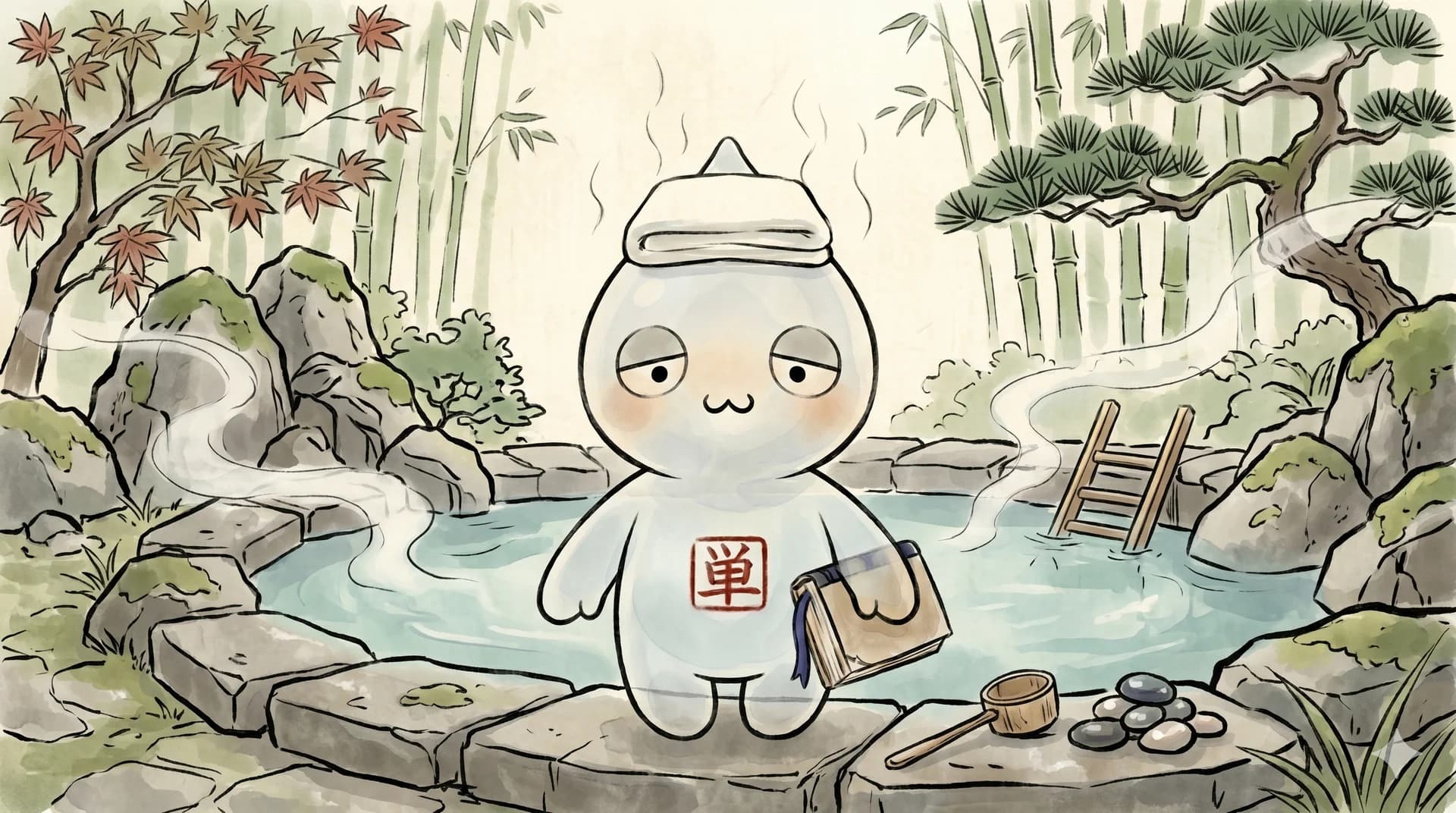
Oigami Onsen is known for its Simple Hot Spring; listed indications for this spring type include Fatigue, Insomnia. Choose an inn by spring type, benefits and amenities, and book directly.
See inns in Oigami OnsenOn this page you can filter Oigami Onsen inns by spring type, benefits, tattoo-friendly, private bath and in-room open-air bath, and book on each property's Agoda or Rakuten page.
Compare & book inns in Oigami Onsen
Awaiting analysis(7)
Overview
The origin of Oigami Onsen is rooted in a legend where the deity of Mt. Akagi (a giant serpent) healed his wounds in these hot springs after a battle with the deity of Mt. Nikko-Futara (a giant centipede). The name "Oigami" is said to be a corruption of "Oigami" (chasing god), and the myth still permeates the spa town. To commemorate this legend, the heroic Oja Matsuri (Great Serpent Festival) is held every May, attracting many visitors.
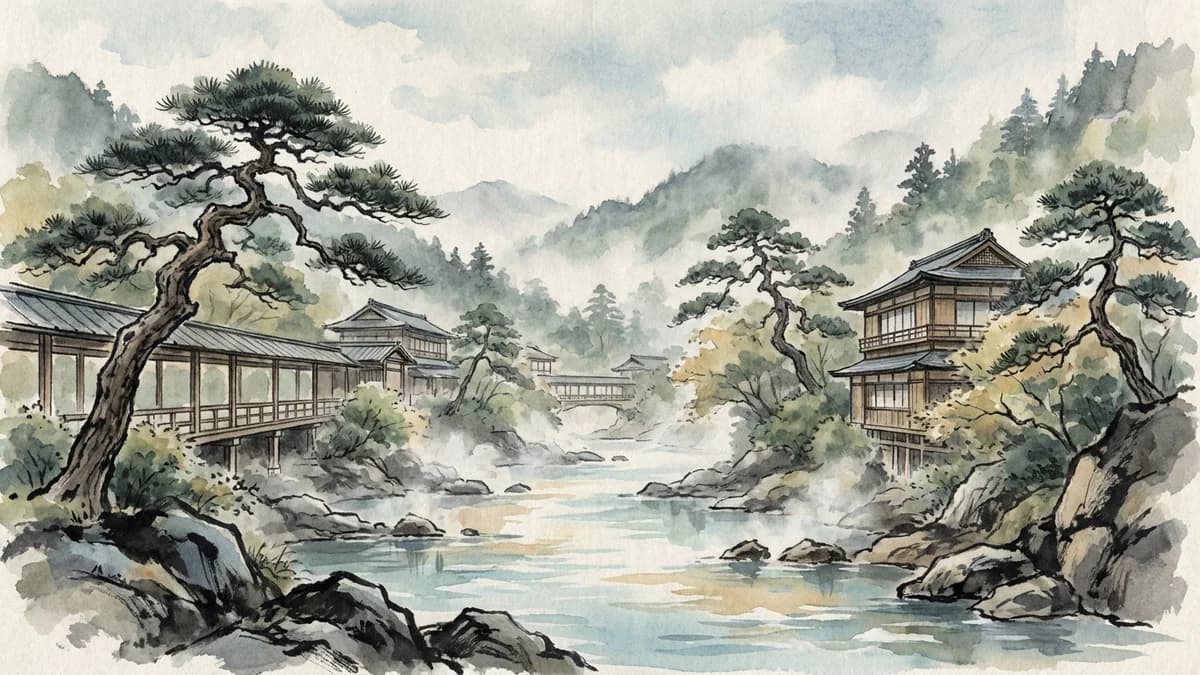
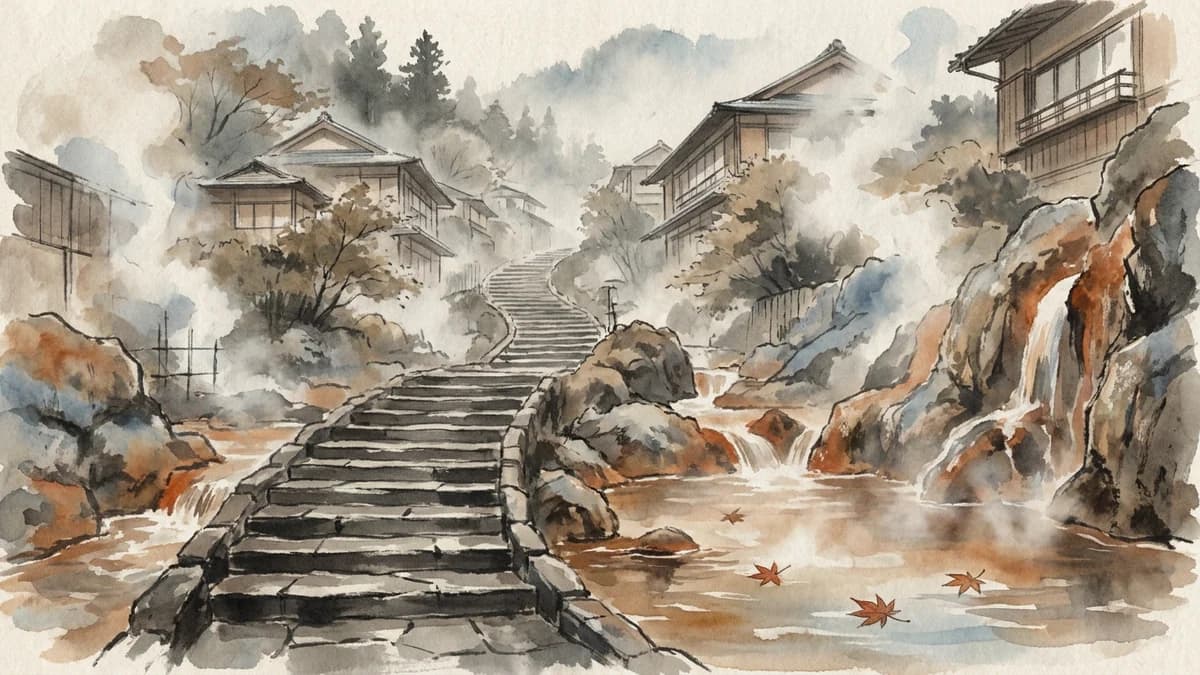
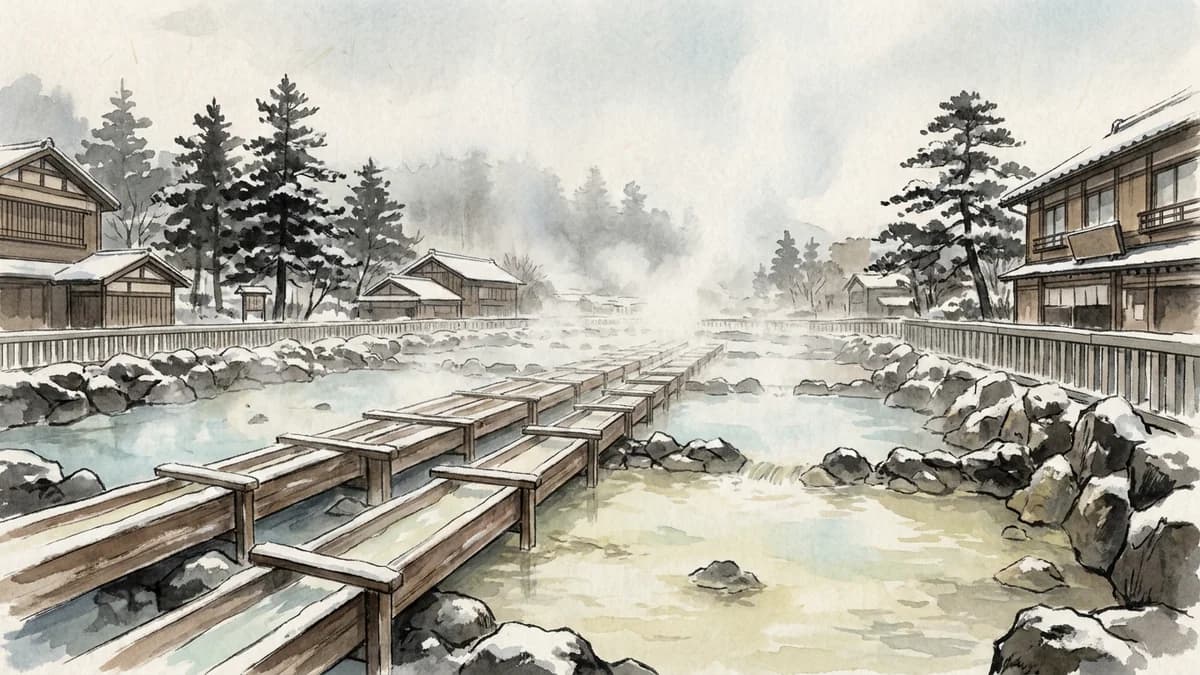
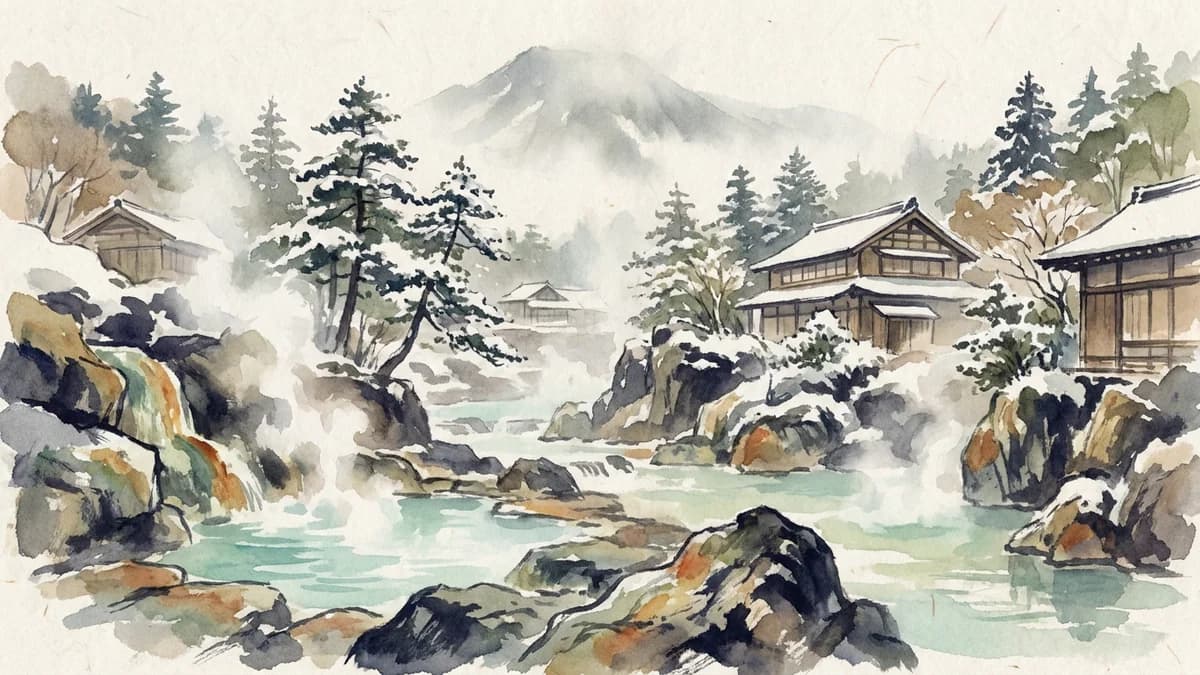
A major draw of Oigami Onsen is its inns scattered along the beautiful gorge carved by the Katashina River, offering stunning natural scenery in every season. The fresh green of spring and the vibrant foliage of autumn are particularly exceptional. A therapeutic soak in this tranquil environment promotes deep relaxation and mental and physical rejuvenation. The famous Oigami Morning Market, held daily from spring to autumn, offers fresh local vegetables, wild mountain plants, and mushrooms, providing a chance to interact with the locals.
Signature Spring Qualities and Benefits
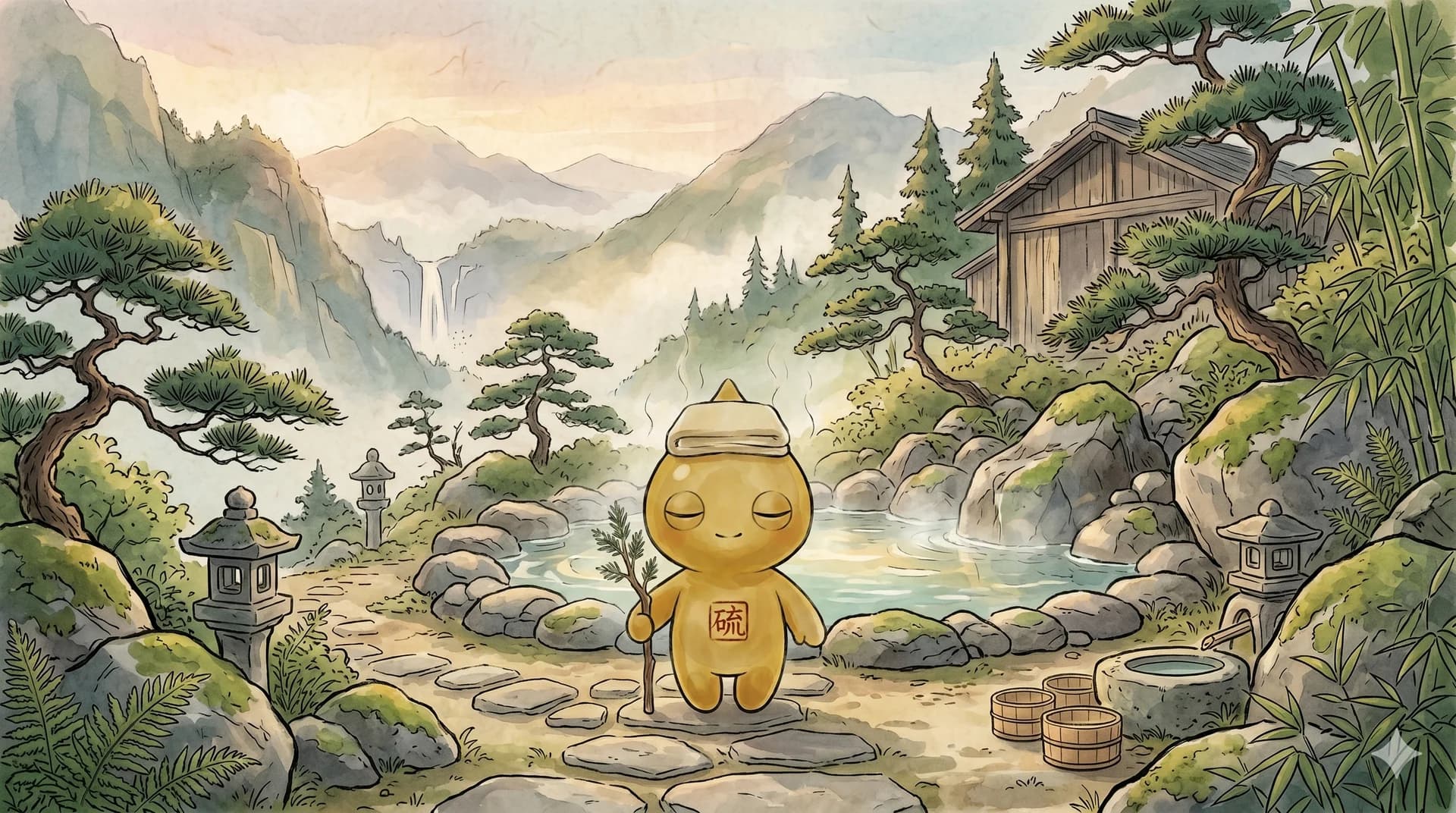
The waters of Oigami Onsen are primarily "Simple Thermal" springs, which are gentle on the skin, and "Sulfate" springs, which are expected to improve blood circulation and have a calming effect. The colorless, transparent, and soft-textured water is suitable for everyone. Sulfate springs, in particular, are said to be effective for pain relief and have been used for therapeutic bathing for centuries.
- CutsThe gentle, simple thermal waters of Oigami Onsen are low in irritants and are said to be easy on the skin. Cuts are listed among the indications for some spring types, such as chloride and sulfate springs.
- Poor circulation
- Sensitivity to coldSoaking in the hot spring water warms the body from its core, providing a deep and lasting thermal effect. This warmth is said to promote overall circulation, and many people who feel the cold easily find the lasting warmth comforting.
- Depressive states
- Dry skinKnown as 'waters for beautiful skin,' the onsen's gentle composition helps to moisturize the skin. The minerals may form a light veil on the skin's surface, helping to retain moisture and leave it feeling smooth and supple after bathing.
- Rheumatoid arthritis
- Reduced gastrointestinal function
Water Characteristics and Best Season to Visit
The source temperature is high, around 50°C (122°F), and the onsen boasts an abundant flow of water. Many ryokans offer gensen kakenagashi (baths with water flowing directly from the source), allowing guests to fully experience the fresh blessings of the hot spring. The slightly alkaline water is gentle on the skin, leaving it feeling smooth after bathing. From the open-air baths along the gorge, you can listen to the murmur of the river and feel the changing seasons.
The best times to visit are from May to June, when the fresh greenery is dazzling, and during the autumn foliage season from late October to early November, when the gorge is painted in fiery reds and yellows. You can also enjoy snow-viewing baths in winter, but if you are driving, be prepared for icy roads with winter tires or chains.
Access
Nearby Sightseeing and Local Cuisine
- Fukiware Falls: A spectacular waterfall known as the "Niagara of the East," a designated National Natural Monument.
- Oigami Morning Market: A famous market held every morning from spring to autumn, offering fresh local products.
- Oze National Park: Japan's largest high-altitude marshland, perfect for hiking and nature walks (approx. 1 hour by car from the onsen).
- Kashozan Ryugein Mirokuji Temple: A temple famous for its association with one of Japan's three great Tengu (mythical creatures).
- Maitake Mushroom Dishes: The Numata area is a major producer of maitake mushrooms. Tempura and kamameshi (kettle rice) are delicious.
- River Fish: Grilled or fried char (iwana) and masu salmon (yamame) caught in the Katashina River.
- Tonkatsu Kaido: A "street" in Numata City with a collection of excellent tonkatsu (pork cutlet) restaurants.
- Local Sake: Japanese sake brewed with local water and rice, such as "Homare-Kunikou."
MORE WITH THE SAME SPRING TYPE
Loved the Simple Spring of Oigami Onsen? Try these too
Picked from onsen across Japan where you can enjoy the same Simple Spring.


Q & A
Frequently Asked Questions
Tap any question to expand the answer
Can I narrow down to only inns with a hot-spring analysis in Oigami Onsen?
Can I find tattoo-friendly inns with private baths or in-room open-air baths in Oigami Onsen?
Onsen towns are often rural with patchy Wi-Fi and limited public transport. Sort out data, tours and a car before you go.
- Japan eSIMAiralo
- Japan eSIMYesim
- Tours, passes & transfersGetYourGuide
- Tours, passes & transfersKKday
- Car rentalDiscover Cars
Includes affiliate links
References
Famous Onsen Areas with Simple Spring
Check access and tourist information on each onsen area column
Related Articles