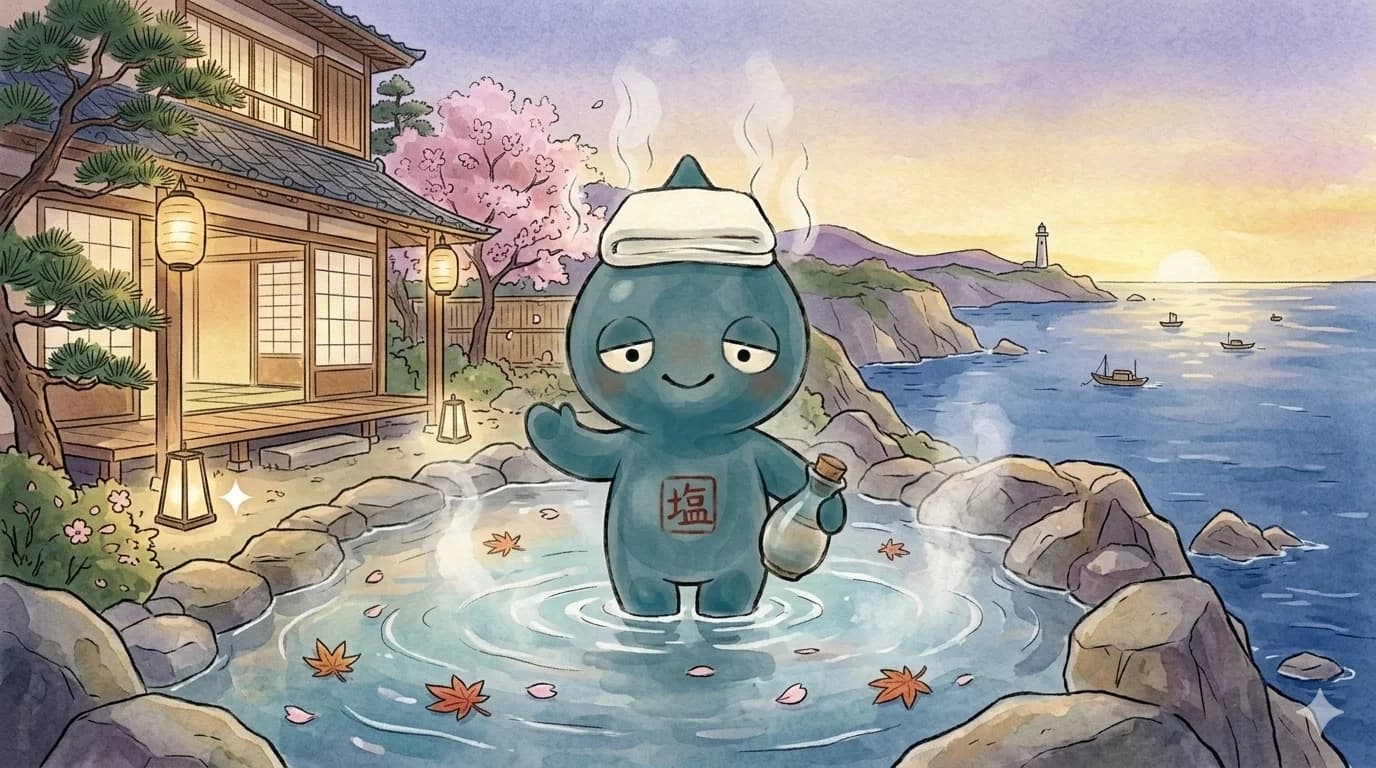
Yunotsu Onsen is known for its Chloride Spring; listed indications for this spring type include Skin Beauty, Wound Healing. Choose an inn by spring type, benefits and amenities, and book directly.
See inns in Yunotsu OnsenOn this page you can filter Yunotsu Onsen inns by spring type, benefits, tattoo-friendly, private bath and in-room open-air bath, and book on each property's Agoda or Rakuten page.
Compare & book inns in Yunotsu Onsen
Awaiting analysis(3)
Overview
With a history dating back 1,300 years, Yunotsu Onsen is a historic hot spring area located in Oda City, Shimane Prefecture. During the Edo period, it flourished as a port for the Iwami Ginzan Silver Mine, and it is said that sailors on the Kitamae-bune ships would soothe their fatigue in these waters. It has long supported people's health as a place for balneotherapy.
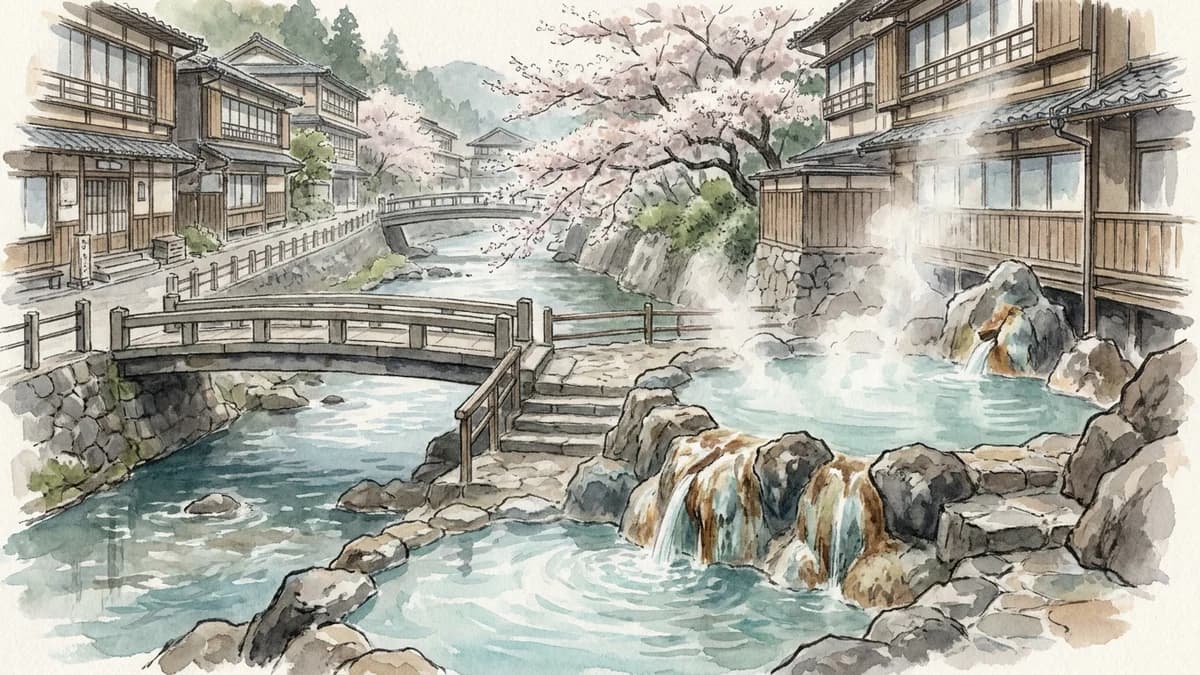
Along the Yunotsu River, which flows through the center of the town, traditional inns and shops create a nostalgic atmosphere. The townscape is designated as an Important Preservation District for Groups of Traditional Buildings. It is also known for being the first onsen area in Japan to be registered as part of a World Heritage Site (Iwami Ginzan Silver Mine and its Cultural Landscape).
Main Spring Qualities and Health Benefits
The main spring type is Sodium/Calcium-Chloride spring. The mineral content is so rich that it has received a top rating from the Japan Onsen Association. After bathing, the salt that adheres to the skin prevents sweat from evaporating, providing excellent heat retention. It is also expected to relieve pain, making it an ideal quality for therapeutic bathing.
- CutsThe high salt content in this chloride spring has properties that may help cleanse minor cuts and scrapes. Additionally, the warmth of the water is said to promote blood circulation, and cuts are listed among the indications for chloride springs.
- Poor peripheral circulationKnown as "Atsu no yu" (waters of heat), these springs create a salt veil on the skin that retains warmth. This sustained heat may help improve blood flow throughout the body, especially to the extremities like hands and feet.
- Sensitivity to coldThe spring's salt components coat the skin, preventing the body from cooling down quickly after bathing. This deep, lasting warmth helps warm the body from its core, making it especially appreciated by those who are prone to feeling cold.
- Dry skinThe same mineral film that helps retain heat also serves to lock in moisture on the skin's surface. This natural coating can help combat post-bath dehydration, leaving the skin feeling smooth and moisturized.
- Rheumatoid arthritisThe deep-warming effect of the hot, salty water may help to soothe stiff joints and temporarily alleviate the pain associated with arthritis. The improved circulation from the sustained warmth can also contribute to reducing discomfort.
- Gastrointestinal hypofunction
Water Characteristics and Best Time to Visit
The source temperature is very high, at 45-49°C (113-120°F). Many facilities cool the water naturally without adding cold water, allowing visitors to enjoy the rich, free-flowing spring water (gensen kakenagashi). The water is a cloudy brown color due to its high salt and iron content, a visual testament to its potency. The public bath "Motoyu-sen" is particularly famous for its heat and efficacy.
While the town's atmosphere can be enjoyed year-round, a visit from autumn to winter is highly recommended to take full advantage of the spring's excellent heat-retaining properties. You can experience a therapeutic bath that warms your chilled body to the core, along with the winter delicacies of the Sea of Japan.
Access
Nearby Attractions and Local Cuisine
- Iwami Ginzan Silver Mine (World Heritage Site)
- Yunotsu Townscape (Important Preservation District)
- Public Baths: Motoyu-sen and Yakushi-yu
- Tatsu no Gozen Shrine
- Kotogahama Beach (singing sand)
- Grilled or simmered Nodoguro (blackthroat seaperch)
- Fresh seafood from Yunotsu Bay
- Heka-yaki (a local fish sukiyaki-style hot pot)
MORE WITH THE SAME SPRING TYPE
Loved the Chloride Spring of Yunotsu Onsen? Try these too
Picked from onsen across Japan where you can enjoy the same Chloride Spring.




Q & A
Frequently Asked Questions
Tap any question to expand the answer
Can I narrow down to only inns with a hot-spring analysis in Yunotsu Onsen?
Can I find tattoo-friendly inns with private baths or in-room open-air baths in Yunotsu Onsen?
Onsen towns are often rural with patchy Wi-Fi and limited public transport. Sort out data, tours and a car before you go.
- Japan eSIMAiralo
- Japan eSIMYesim
- Tours, passes & transfersGetYourGuide
- Tours, passes & transfersKKday
- Car rentalDiscover Cars
Includes affiliate links
References
Famous Onsen Areas with Chloride Spring
Check access and tourist information on each onsen area column
Related Articles