Tamatsukuri Onsen is known for its Sulfate Spring; listed indications for this spring type include Skin Beauty, Wound Healing. Choose an inn by spring type, benefits and amenities, and book directly.
See inns in Tamatsukuri OnsenOn this page you can filter Tamatsukuri Onsen inns by spring type, benefits, tattoo-friendly, private bath and in-room open-air bath, and book on each property's Agoda or Rakuten page.
Compare & book inns in Tamatsukuri Onsen
Awaiting analysis(5)
Overview
Located in Matsue, Shimane Prefecture, Tamatsukuri Onsen is a leading hot spring resort in the San'in region with over 1,300 years of history. Its name, meaning "jewel making," originates from the area's ancient role as a production center for magatama beads. The Izumo no Kuni Fudoki, an 8th-century record, describes its waters as "divine," stating, "A single bath will beautify one's appearance, and a second will cure all ailments."
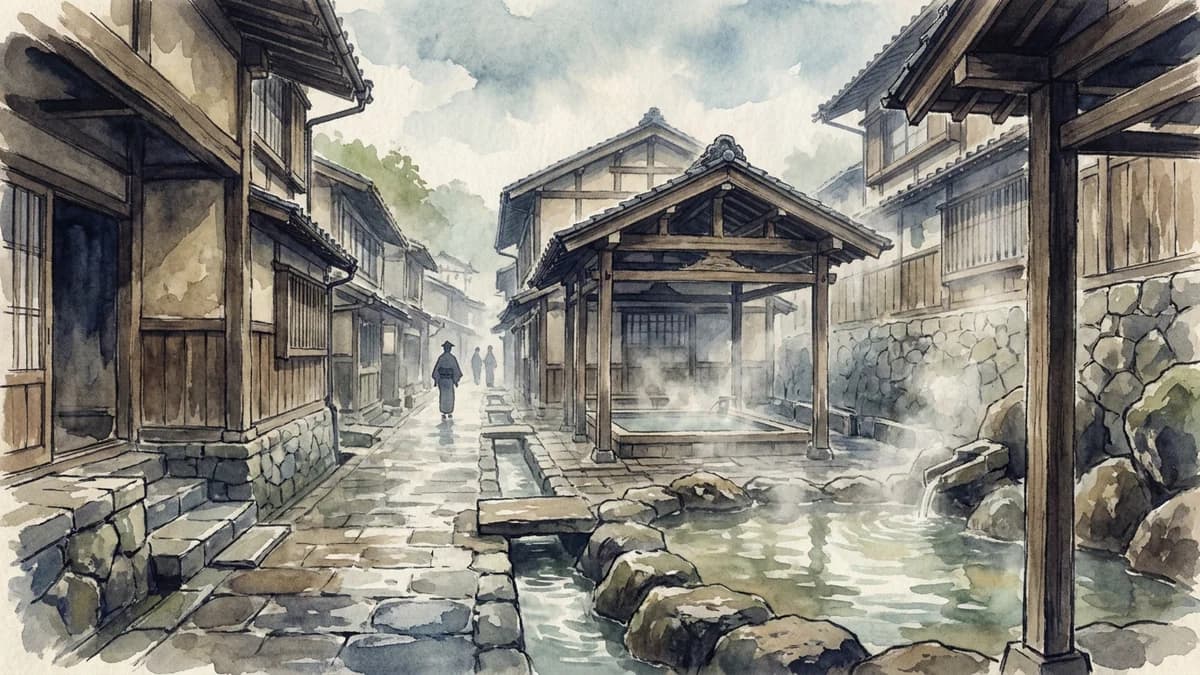
Modern ryokans and hotels line the Tamayu River, creating a charming onsen town. The water quality is renowned for its skin-beautifying properties, often compared to a moisturizing toner. Along the river, you can find public footbaths (ashiyu) and spots to take home some of the onsen water, allowing you to enjoy its benefits while strolling. Its proximity to Izumo Taisha Grand Shrine and Matsue Castle makes it an ideal base for exploring the San'in region.
Primary Spring Qualities and Indications
The water is a slightly alkaline (pH 8.4) sodium/calcium - sulfate and chloride spring. The sulfate ions help to firm and moisturize the skin, while the chloride ions form a thin veil on the skin's surface, preventing moisture evaporation. This dual action results in the post-bath feeling of supple, silky skin and a deep, restorative warmth that lingers.
- CutsCuts are listed among the indications for sulfate and chloride springs such as this one. The mineral components are also thought to provide a gentle cleansing effect.
- Peripheral circulatory disordersThe warming effect of the hot spring, enhanced by its chloride content, can improve blood flow. This may help alleviate symptoms associated with poor circulation in the hands and feet by keeping the body warm for longer after bathing.
- Sensitivity to coldThe chloride in the water forms a thin layer on the skin, which helps retain body heat after your bath. This sustained warmth is particularly appreciated by those who feel the cold, and sensitivity to cold is listed among the indications for chloride springs.
- Dry skinThe sulfate component of the spring is known to help moisturize and add firmness to the skin. Additionally, the salt from the chloride content forms a protective layer that helps prevent moisture from evaporating, leaving the skin feeling hydrated.
Water Characteristics and Best Season
While the source temperature is relatively high, it is adjusted to a comfortable temperature at each facility. The onsen boasts an abundant flow, and many ryokans offer free-flowing spring water (gensen kakenagashi). The water is clear, colorless, and has little odor, making it pleasant for everyone. It can be enjoyed year-round, but the moisturizing effects are especially noticeable from autumn to winter when the air is drier. In spring, the cherry blossom trees along the Tamayu River are beautiful, making it a perfect season for a walk.
Access
Nearby Sightseeing & Local Cuisine
- Tamatsukuyu Shrine: A power spot enshrining the deities of onsen and magatama beads.
- Oshiroi Jizo & Negai-ishi: Popular spots for wishes related to beauty and more.
- Izumo Taisha Grand Shrine: One of Japan's most important shrines, famous for matchmaking (approx. 40 min by car).
- Matsue Castle: A National Treasure and one of Japan's 12 remaining original castles (approx. 15 min by car).
- Adachi Museum of Art: Its 50-hectare garden has been ranked #1 in Japan for 21 consecutive years by a US journal.
- Izumo Soba: One of Japan's three major types of soba noodles, often served in stacked lacquerware bowls.
- Shijimi Clam Dishes: Soups and simmered dishes using Yamato-shijimi clams from nearby Lake Shinji.
MORE WITH THE SAME SPRING TYPE
Loved the Sulphate Spring of Tamatsukuri Onsen? Try these too
Picked from onsen across Japan where you can enjoy the same Sulphate Spring.



Q & A
Frequently Asked Questions
Tap any question to expand the answer
Can I narrow down to only inns with a hot-spring analysis in Tamatsukuri Onsen?
Can I find tattoo-friendly inns with private baths or in-room open-air baths in Tamatsukuri Onsen?
Onsen towns are often rural with patchy Wi-Fi and limited public transport. Sort out data, tours and a car before you go.
- Japan eSIMAiralo
- Japan eSIMYesim
- Tours, passes & transfersGetYourGuide
- Tours, passes & transfersKKday
- Car rentalDiscover Cars
Includes affiliate links
References
Famous Onsen Areas with Sulphate Spring
Check access and tourist information on each onsen area column
Related Articles