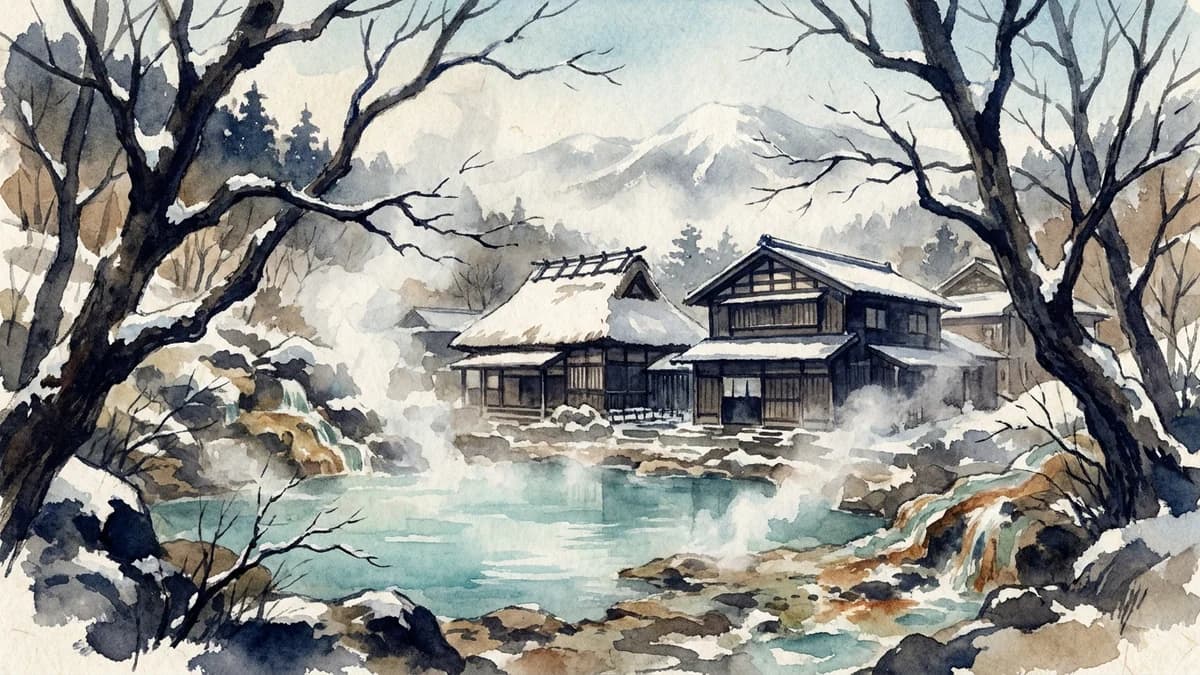
Asamushi Onsen is known for its Chloride Spring; listed indications for this spring type include Skin Beauty, Wound Healing. Choose an inn by spring type, benefits and amenities, and book directly.
See inns in Asamushi OnsenOn this page you can filter Asamushi Onsen inns by spring type, benefits, tattoo-friendly, private bath and in-room open-air bath, and book on each property's Agoda or Rakuten page.
Compare & book inns in Asamushi Onsen
Awaiting analysis(7)
Overview
Asamushi Onsen is a scenic hot spring resort located along Mutsu Bay in Aomori City, Aomori Prefecture. Its history dates back to the Heian period, when it was said to have been discovered by the great monk Jikaku Daishi Ennin. Legend has it that he learned of its healing properties after seeing an injured deer healing its wounds in the hot spring.
One theory suggests the name "Asamushi" (shallow steam) derives from the practice of steaming hemp cloth ("asa") using the hot spring's steam. Dubbed the "Atami of Tohoku" for its beautiful coastline and onsen townscape, it has been beloved by many artists and writers. Today, it remains a bustling resort representative of Aomori, lined with traditional inns and hotels.
Key Spring Qualities and Benefits
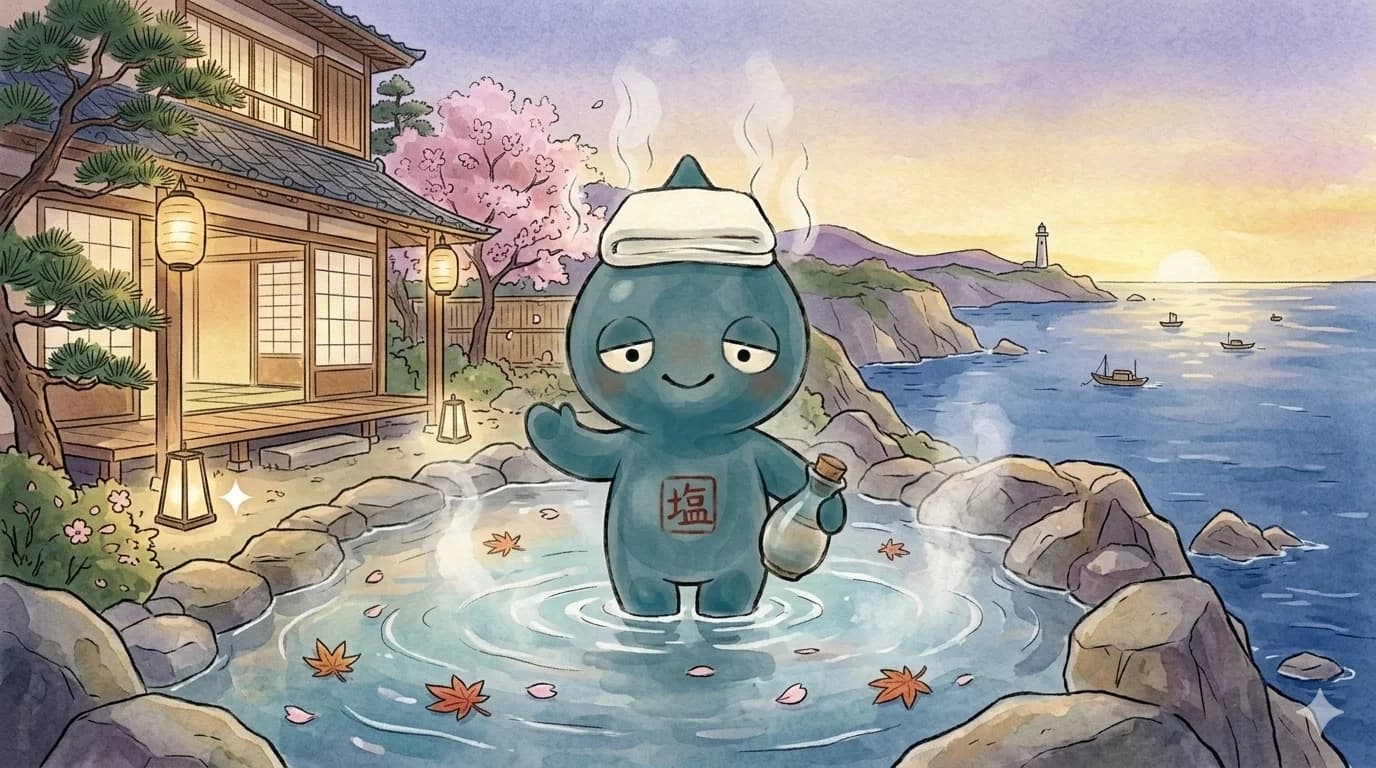
The main spring type at Asamushi Onsen is a sodium/calcium-chloride/sulfate spring. Chloride springs are known as "warming waters" as their salt content coats the skin, helping to retain body heat. Sulfate springs, traditionally called "waters for wounds," are expected to aid skin regeneration and alleviate pain.
- CutsThe properties of this sulfate spring may aid the body's natural healing process for minor incisions and scrapes. Improved blood circulation from bathing is thought to support tissue recovery, and the water is gentle on the skin.
- Poor circulation
- Dry skinAs a sulfate spring, these waters are often recommended for those with xeroderma or chronically dry skin. The water's gentle, non-irritating quality can help soothe the skin, and bathing may assist in improving its moisture retention.
- Rheumatoid arthritis
- Reduced gastrointestinal function
Water Characteristics and Best Time to Visit
The source temperature is high, over 60°C (140°F), so most facilities add cool water to regulate the bath temperature. The onsen boasts an abundant flow, and some inns offer baths with free-flowing hot spring water directly from the source. The clear, colorless water is gentle and suitable for everyone.
While enjoyable year-round—with swimming in summer, autumn foliage, and snowy landscapes in winter—the best time to visit is from early summer to autumn when the weather is mild. Bathing while watching the sunset over Mutsu Bay is an exceptional experience.
Access
Nearby Sightseeing and Local Cuisine
- Asamushi Aquarium: The northernmost aquarium on Honshu, popular for its dolphin and sea lion shows.
- Yunoshima Island: The symbol of Asamushi. You can take a sightseeing boat to the island.
- Sunset Beach Asamushi: A beautiful beach bustling with swimmers in the summer.
- Michi-no-Eki "Yu-sa Asamushi": A roadside station with an observation bath on the 5th floor offering panoramic views of Mutsu Bay.More than a typical roadside station, this facility features a public observation bath on its 5th floor. Visitors can relax in the hot spring water while enjoying stunning panoramic views of Mutsu Bay.
- Kujira Mochi: A steamed sweet with walnuts, known for its simple, rustic flavor.
- Ita Karinto: A local snack with a hard texture and fragrant sesame flavor.
- Mutsu Bay Scallops: Fresh, plump scallops are a must-try local delicacy.
MORE WITH THE SAME SPRING TYPE
Loved the Chloride Spring of Asamushi Onsen? Try these too
Picked from onsen across Japan where you can enjoy the same Chloride Spring.


Q & A
Frequently Asked Questions
Tap any question to expand the answer
Can I narrow down to only inns with a hot-spring analysis in Asamushi Onsen?
Can I find tattoo-friendly inns with private baths or in-room open-air baths in Asamushi Onsen?
Onsen towns are often rural with patchy Wi-Fi and limited public transport. Sort out data, tours and a car before you go.
- Japan eSIMAiralo
- Japan eSIMYesim
- Tours, passes & transfersGetYourGuide
- Tours, passes & transfersKKday
- Car rentalDiscover Cars
Includes affiliate links
References
Famous Onsen Areas with Chloride Spring
Check access and tourist information on each onsen area column
Related Articles