Hirayu Onsen is known for its Chloride Spring; listed indications for this spring type include Skin Beauty, Wound Healing. Choose from 1 inns with a hot-spring analysis on file, filtering by spring type, benefits and amenities, and book directly.
See inns in Hirayu OnsenOn this page you can filter Hirayu Onsen inns by spring type, benefits, tattoo-friendly, private bath and in-room open-air bath, and book on each property's Agoda or Rakuten page.
Compare & book inns in Hirayu Onsen

Awaiting analysis(6)
Overview
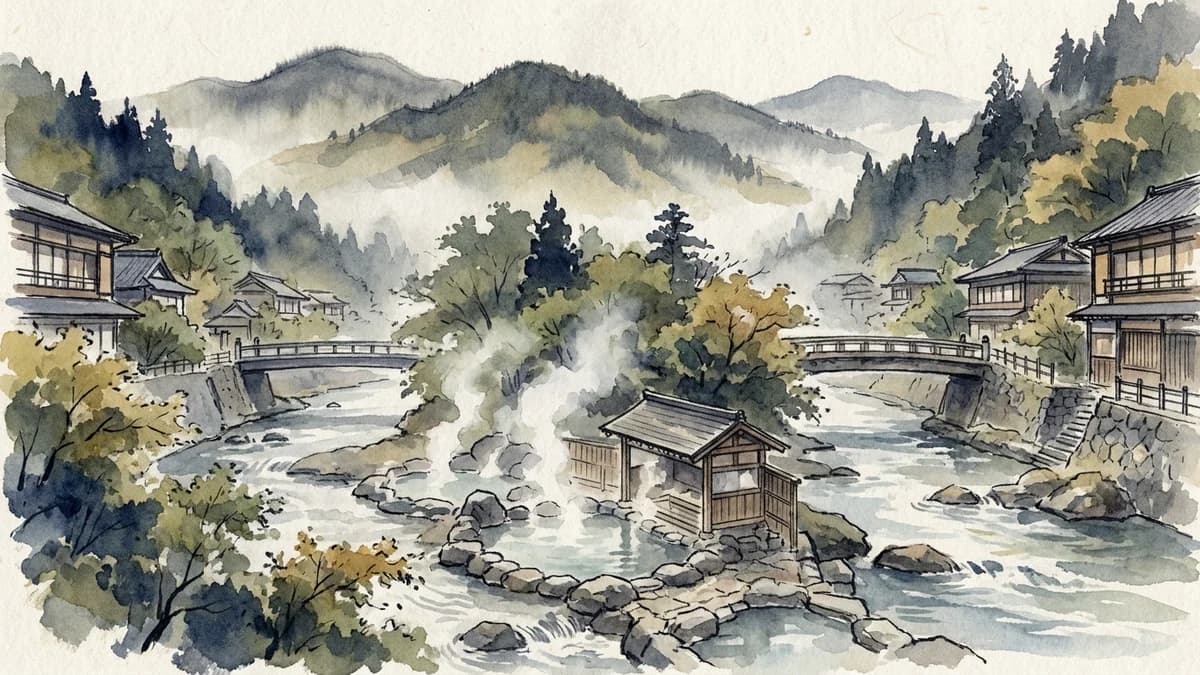
Hirayu Onsen, located in Takayama City, Gifu Prefecture, is the most historic hot spring in the Okuhida Onsen-kyo region. Legend says it was discovered during the Warring States period when a white monkey led the weary troops of warlord Takeda Shingen to the spring to heal their fatigue. During the Edo period, it flourished as a therapeutic spa (toji-ba) for feudal lords and travelers on their way to and from Edo (now Tokyo).
Today, it serves as the gateway to the famous peaks of the Japan Alps, including Kamikochi, Mt. Norikura, and Shinhotaka. The Hirayu Bus Terminal in the center of the town is a bustling hub for mountaineers and tourists. The abundant hot water, flowing from about 40 different sources, provides deep relaxation and gently soothes travel fatigue.
Primary Spring Types and Benefits
The waters of Hirayu Onsen are characterized by a well-balanced blend of multiple components, including chloride, hydrogen carbonate, and sulfur. Chloride springs are highly effective at warming the body to its core, while hydrogen carbonate springs are known as "bijin-no-yu" (waters of beauty) for their ability to exfoliate and soften the skin. The distinct aroma of the sulfur springs enhances the authentic onsen experience.
- CutsThe mineral-rich water is said to aid in the healing of minor cuts. The properties of the springs, which include sulfur and bicarbonate types, may help gently cleanse the skin and support the body's natural recovery process.
- Sensitivity to coldThis condition, often described as a persistent feeling of coldness, may be alleviated by the onsen's warming effects. The chloride-rich waters are known to create a thin veil on the skin that helps retain body heat long after bathing.
- Dry skinThe onsen's waters, including bicarbonate spring types, are said to have a softening effect on the skin. The minerals leave the skin feeling moisturized and smoother, potentially alleviating the symptoms of dryness.
- Atopic dermatitis
- Impaired glucose tolerance (Diabetes)
- Rheumatoid arthritisThe warm, mineral-rich waters may provide relief from the joint pain and stiffness associated with this condition. The thermal effect helps to relax muscles and improve mobility, and chronic joint pain and stiffness are listed among the general indications for bathing.
Water Characteristics & Best Season
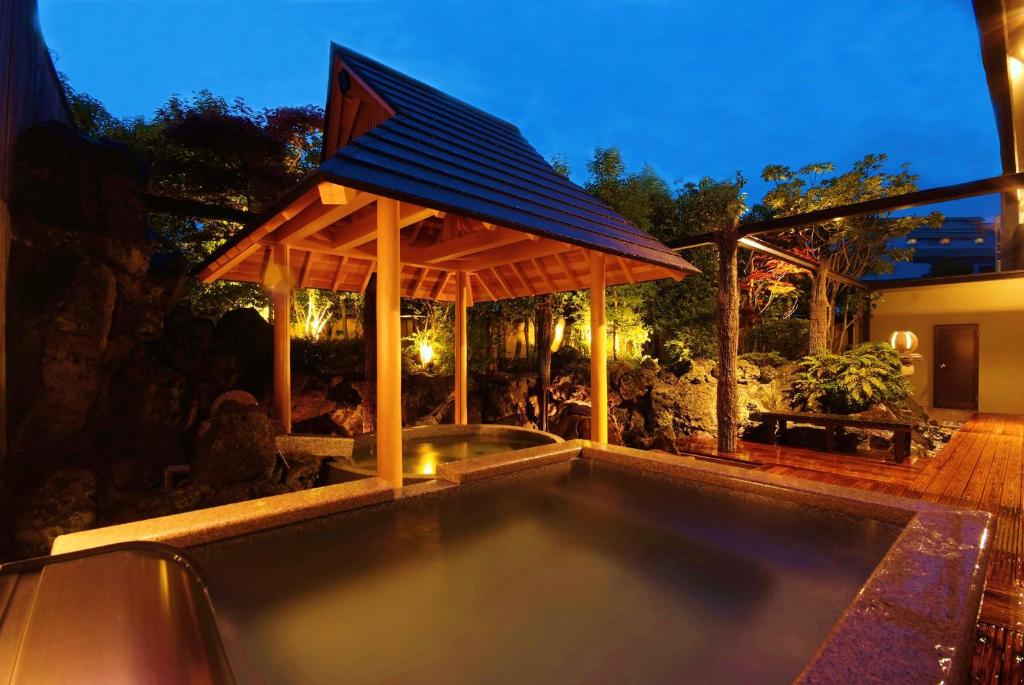
Hirayu Onsen boasts an impressive flow rate of 13,000 liters per minute, allowing many inns and bathing facilities to offer luxurious 'gensen kakenagashi' baths, where water flows directly from the source. As the source temperature is high (60-90°C), some facilities add cool water to adjust the temperature. You may see white mineral deposits called 'yunohana' floating in the tubs, a testament to the water's rich mineral content.
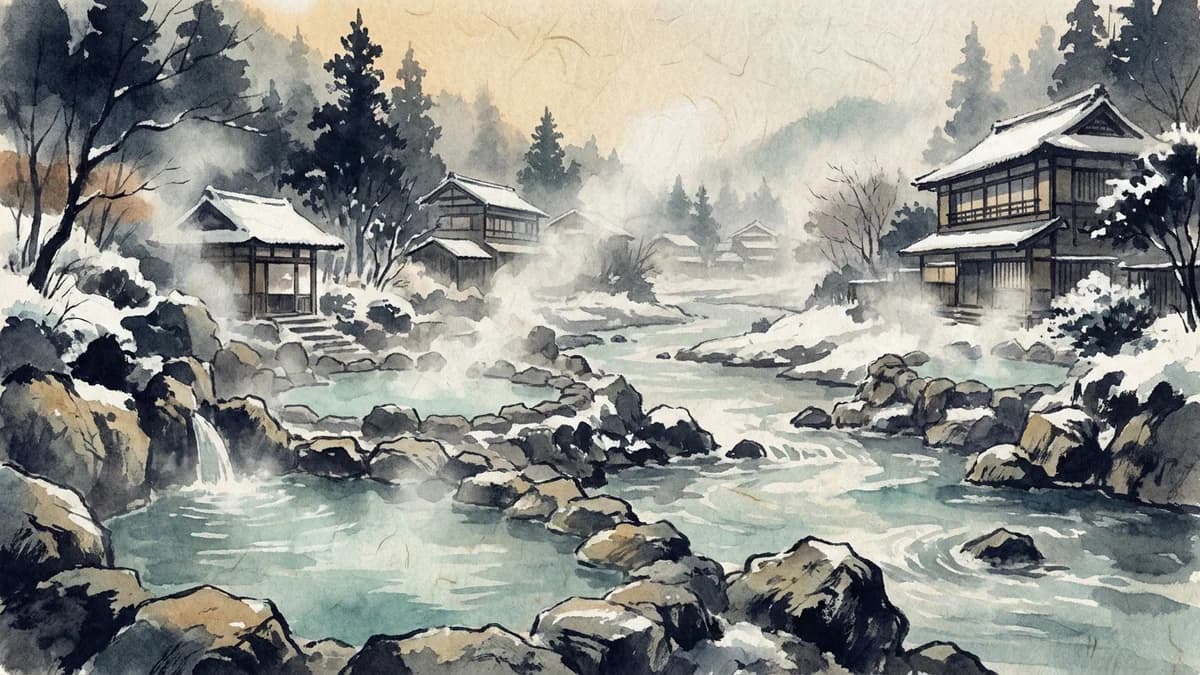
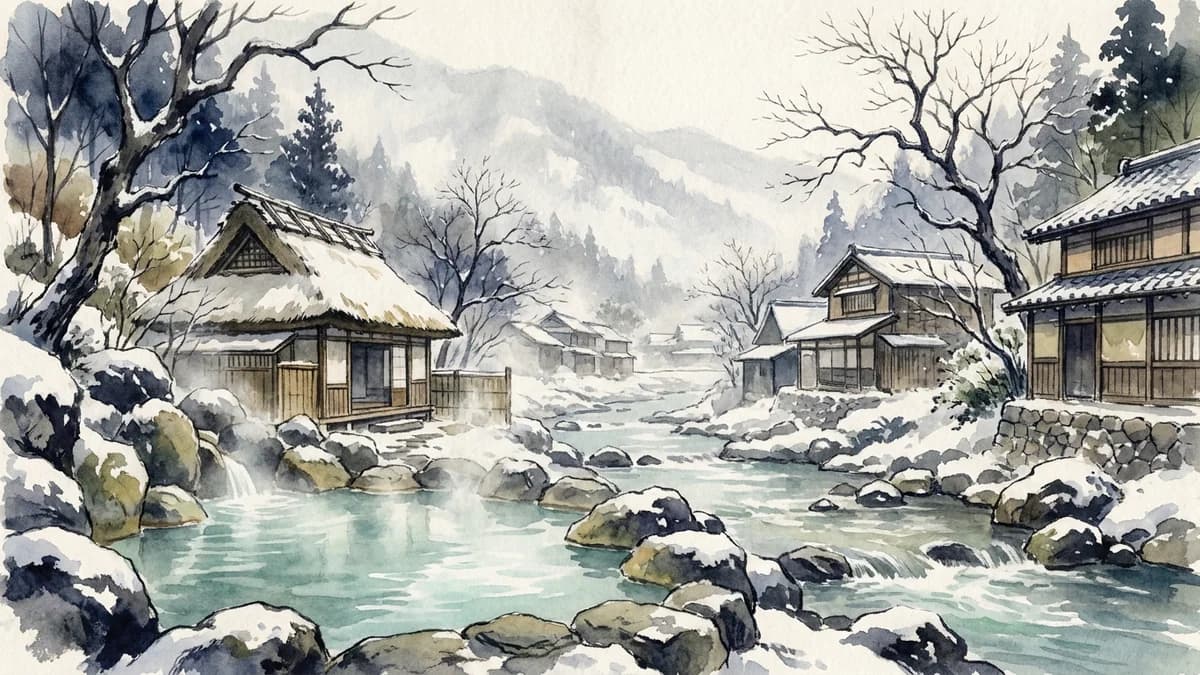
While Hirayu Onsen offers beautiful valley scenery year-round, the best times to visit are during the autumn foliage season around October and in winter (December to March) for a magical 'yukimi-buro' (snow-viewing bath) experience. It's also a great summer retreat and a wonderful place to see fresh greenery in spring.
Access
Nearby Sightseeing & Local Cuisine
- Kamikochi (A premier mountain scenic resort in Japan)
- Shinhotaka Ropeway (360-degree panorama of the Japan Alps)
- Mt. Norikura / Tatamidaira (A treasure trove of alpine flora)
- Hirayu Great Falls (One of Japan's Top 100 Waterfalls)
- Old Town of Hida Takayama (Stroll through historic streets)
- Hida Beef Cuisine (Steak, sukiyaki, etc.)
- Hoba Miso (A local specialty of miso grilled on a magnolia leaf)
- Local Sake (Japanese rice wine made with pure water)
MORE WITH THE SAME SPRING TYPE
Loved the Chloride Spring of Hirayu Onsen? Try these too
Picked from onsen across Japan where you can enjoy the same Chloride Spring.




Q & A
Frequently Asked Questions
Tap any question to expand the answer
Can I narrow down to only inns with a hot-spring analysis in Hirayu Onsen?
Can I find tattoo-friendly inns with private baths or in-room open-air baths in Hirayu Onsen?
Onsen towns are often rural with patchy Wi-Fi and limited public transport. Sort out data, tours and a car before you go.
- Japan eSIMAiralo
- Japan eSIMYesim
- Tours, passes & transfersGetYourGuide
- Tours, passes & transfersKKday
- Car rentalDiscover Cars
Includes affiliate links
References
Famous Onsen Areas with Chloride Spring
Check access and tourist information on each onsen area column
Related Articles