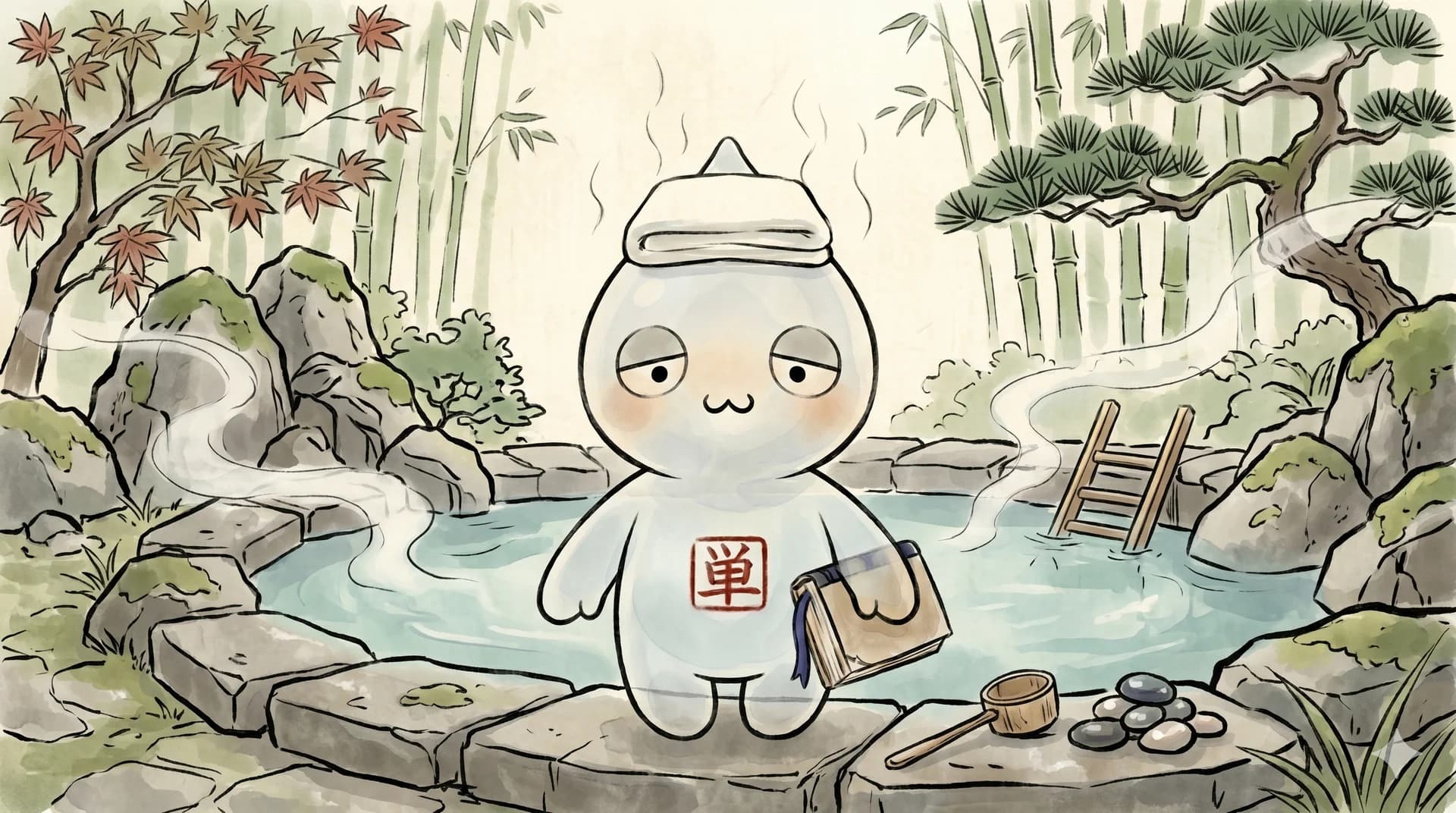
Fukuji Onsen is known for its Simple Hot Spring; listed indications for this spring type include Fatigue, Insomnia. Choose from 4 inns with a hot-spring analysis on file, filtering by spring type, benefits and amenities, and book directly.
See inns in Fukuji OnsenOn this page you can filter Fukuji Onsen inns by spring type, benefits, tattoo-friendly, private bath and in-room open-air bath, and book on each property's Agoda or Rakuten page.
Compare & book inns in Fukuji Onsen


Awaiting analysis(5)
Overview
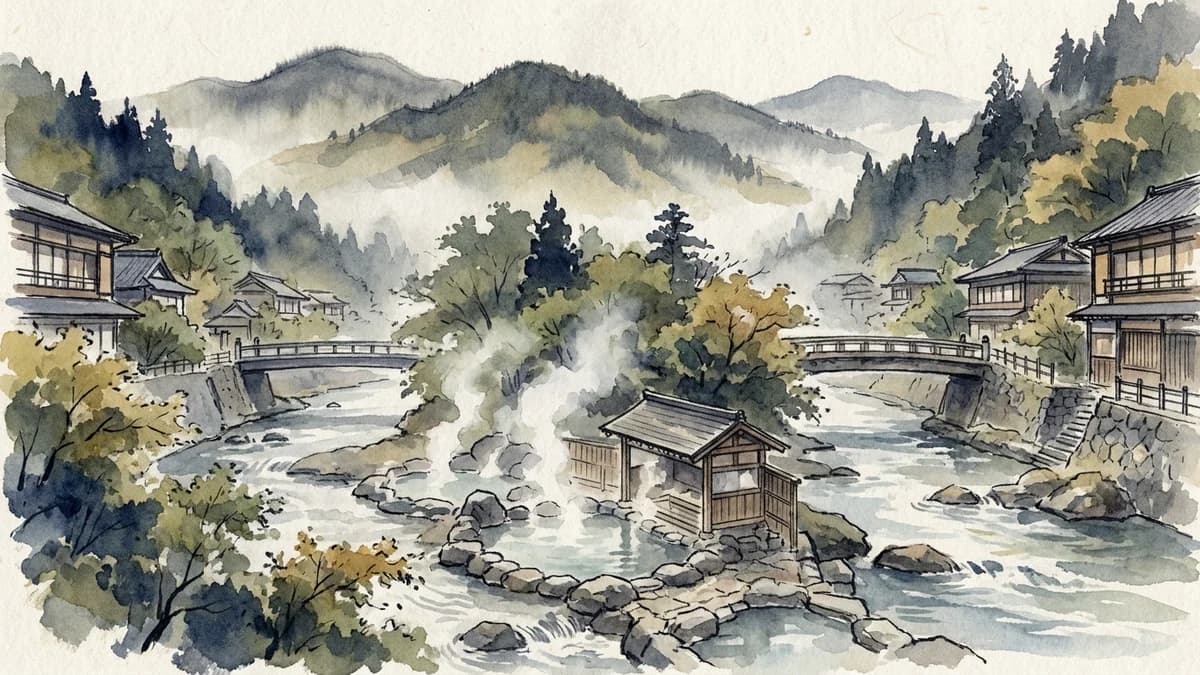
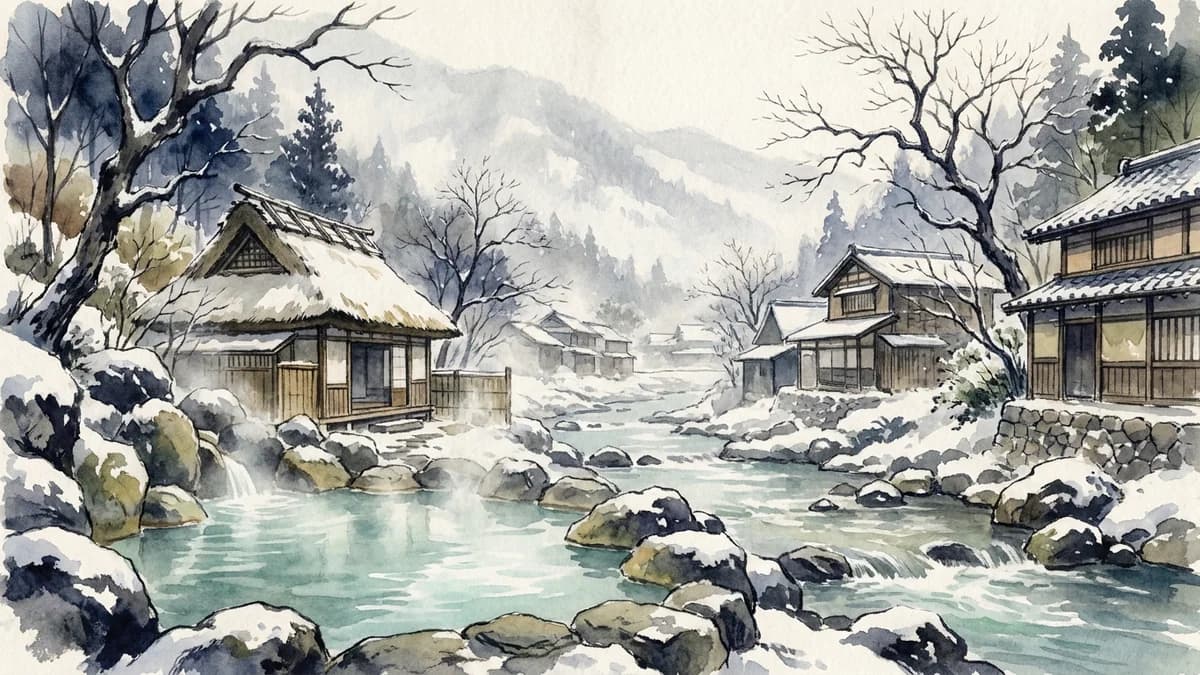
Legend has it that Emperor Murakami visited this historic onsen in the Heian period for its healing properties. Among the five villages of Okuhida, Fukuji retains a particularly serene and "hidden gem" (秘湯, hitou) character, inviting visitors to unwind in the tranquility of the mountains.
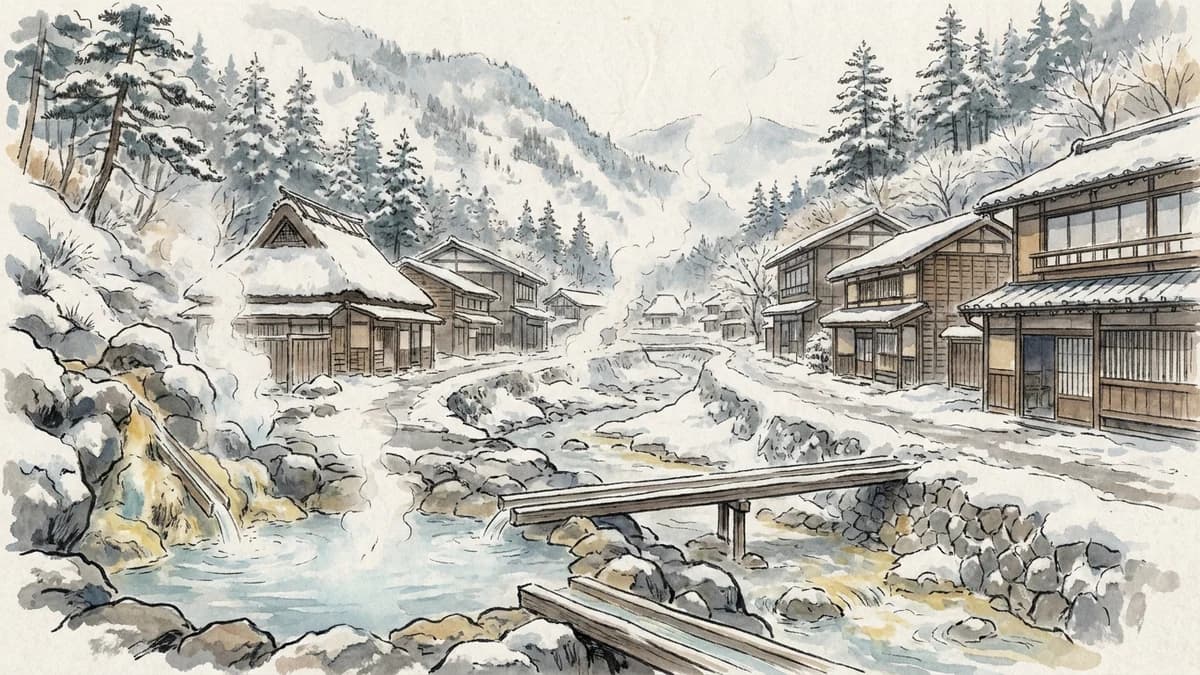
Many ryokans in the area boast their own private sources, ensuring an abundant supply of fresh hot spring water. The area is also famous for its seasonal beauty, especially the "Aodaru" ice illuminations, where frozen waterfalls are lit up in winter.
Key Spring Qualities & Benefits
The water is predominantly a simple hot spring type—colorless, odorless, and mild. This makes it suitable for everyone, including children and the elderly. Some springs are also rich in hydrogen carbonate, known as "bijin-no-yu" or "beauty water," which may support achieving silky skin.
- Autonomic instabilityThe tranquil, nostalgic atmosphere of Fukuji Onsen provides an ideal setting for relaxation, which can help soothe the nervous system. The gentle, low-stimulation simple thermal springs are particularly suited for this purpose. Immersing yourself in the warm water helps to relieve tension and may contribute to rebalancing autonomic functions.
- Insomnia
- Depressive states
- Dry skinThe hydrogen carbonate springs at Fukuji Onsen are often called "waters of beautiful skin." These springs are said to leave the skin feeling smooth, and dry skin is listed among the indications for this spring type.
- Sensitivity to cold
Water Characteristics & Best Season
You'll find many inns offering "gensen kakenagashi" baths, where water flows directly from the source without being recycled, ensuring its freshness and purity. The water temperature varies but is generally soft and comfortable for longer soaks.
The best times to visit are autumn (Oct-Nov) for stunning fall foliage and winter (Dec-Mar) for snow-covered landscapes and the magical "Aodaru" ice art. Enjoying an outdoor bath (rotenburo) while watching the snow fall is an unforgettable experience.
Access
Nearby Sightseeing & Local Cuisine
- Shinhotaka Ropeway
- Kamikochi (seasonal access)
- Takayama Old Town (Sanmachi Suji)
- Fukuji Onsen Morning Market
- Okuhida Bear's Park
- Hida Beef
- Hoba Miso (miso on magnolia leaf)
- Goheimochi (grilled rice cakes)
MORE WITH THE SAME SPRING TYPE
Loved the Simple Spring of Fukuji Onsen? Try these too
Picked from onsen across Japan where you can enjoy the same Simple Spring.




Q & A
Frequently Asked Questions
Tap any question to expand the answer
Can I narrow down to only inns with a hot-spring analysis in Fukuji Onsen?
Can I find tattoo-friendly inns with private baths or in-room open-air baths in Fukuji Onsen?
Onsen towns are often rural with patchy Wi-Fi and limited public transport. Sort out data, tours and a car before you go.
- Japan eSIMAiralo
- Japan eSIMYesim
- Tours, passes & transfersGetYourGuide
- Tours, passes & transfersKKday
- Car rentalDiscover Cars
Includes affiliate links
References
Famous Onsen Areas with Simple Spring
Check access and tourist information on each onsen area column
Related Articles