Shimobe Onsen is known for its Simple Hot Spring; listed indications for this spring type include Fatigue, Insomnia. Choose an inn by spring type, benefits and amenities, and book directly.
See inns in Shimobe OnsenOn this page you can filter Shimobe Onsen inns by spring type, benefits, tattoo-friendly, private bath and in-room open-air bath, and book on each property's Agoda or Rakuten page.
Compare & book inns in Shimobe Onsen
Awaiting analysis(3)
Overview
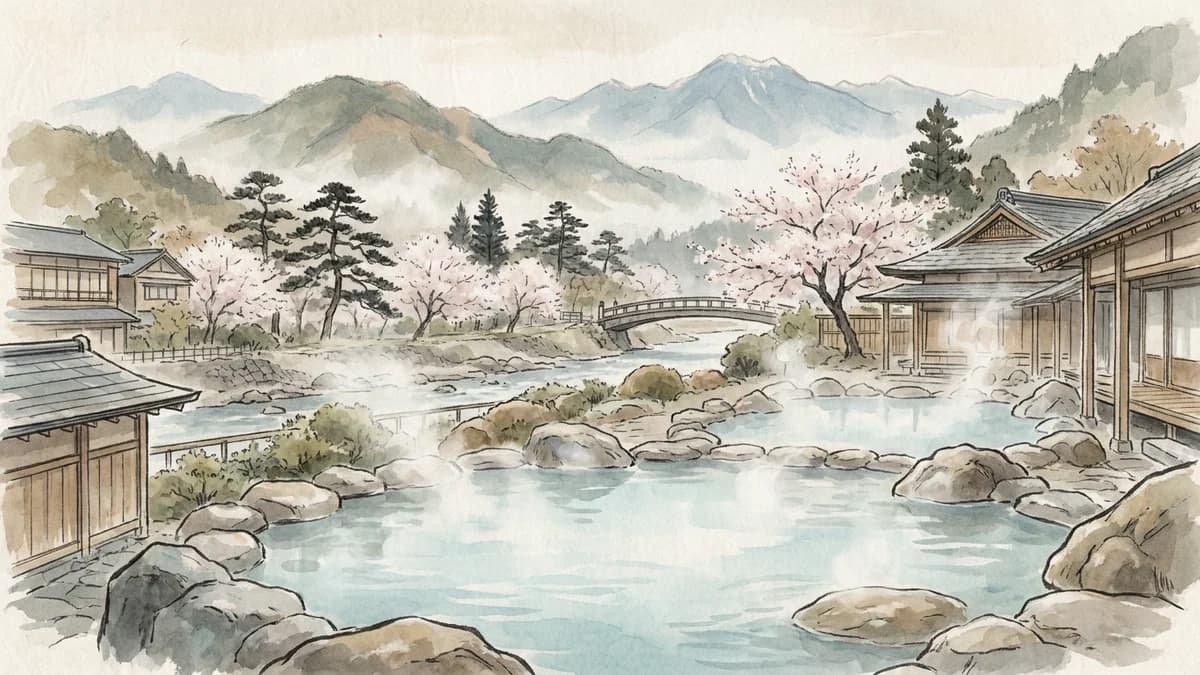
Located in Minobu, Yamanashi Prefecture, Shimobe Onsen boasts a history of over 1,200 years. It is most famous for the legend of Takeda Shingen, a powerful warlord who is said to have treated his battle wounds here, earning it the nickname "Shingen's Hidden Spring." Since then, it has been a popular destination for balneotherapy, known for its reputed benefits for injuries and fractures.
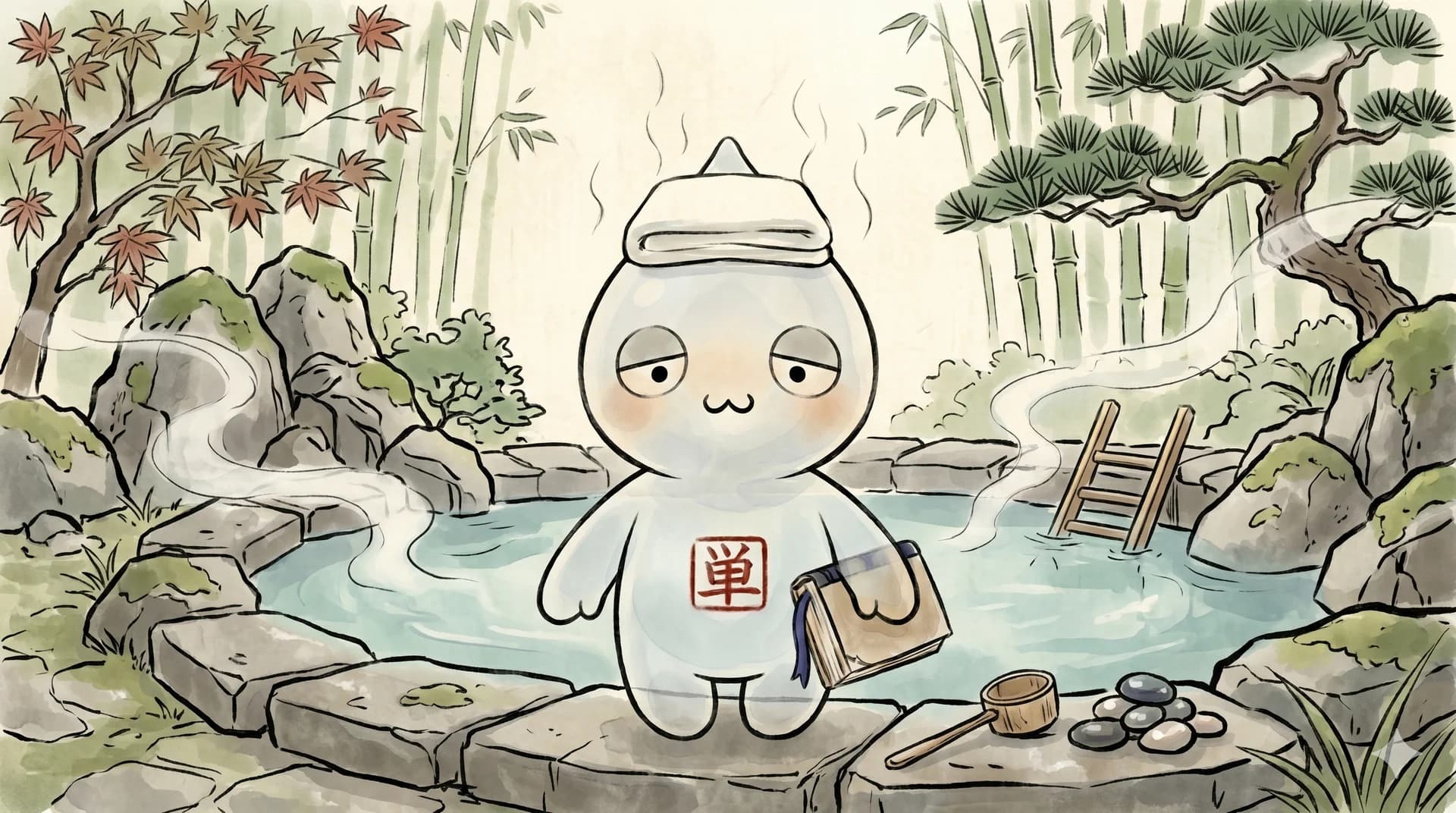
The most unique feature of this onsen town is its two distinct spring sources: a lukewarm "nuruyu" (alkaline simple spring) at around 30°C and a hot "atsuyu" (simple sulfur spring) at about 51°C. The local bathing custom involves alternating between the two—acclimating in the nuruyu, warming up in the atsuyu, and then cooling down again in the nuruyu. This unique ritual promotes deep relaxation and helps restore vitality.
Signature Spring Qualities & Benefits
The main "nuruyu" is a gentle alkaline simple spring with very few impurities, making it suitable for drinking to aid digestion. The "atsuyu" is a simple sulfur spring with a faint aroma, which warms the body to its core.
- CutsThe simple thermal springs at Shimobe are known to be gentle and low in irritants. This quality may help soothe the skin and support the natural healing of minor cuts and abrasions, a benefit recognized since ancient times.
- Rheumatoid arthritis
- Sensitivity to coldThe characteristic lukewarm "nuruyu" allows for long, comfortable soaks without stressing the body. This prolonged bathing helps to warm the body deeply and thoroughly, which may alleviate the chronic feeling of coldness.
- Autonomic instabilityThe gentle, lukewarm water allows for extended bathing without over-stimulating the body. This prolonged state of relaxation can help calm the nervous system and may aid in restoring balance to the autonomic functions that regulate stress.
- InsomniaA long, relaxing soak in the lukewarm "nuruyu" can be an effective way to calm the mind and body before sleep. This gentle warming and deep relaxation may help ease the transition into a more restful night's sleep.
- Dry skin
Water Characteristics & Best Season
Shimobe's "nuruyu" is close to body temperature, allowing for long, relaxing soaks without straining the heart. This extended bathing is key to allowing the mineral-rich water to deeply penetrate the body, inducing a state of deep relaxation. Many ryokans offer this water directly from the source (gensen kakenagashi).
While the lukewarm water is especially pleasant in summer, the alternating bath routine makes Shimobe a wonderful year-round destination, as it allows you to warm up thoroughly even in winter. It's an ideal retreat for anyone looking to reset their mind and body.
Access
Nearby Attractions & Local Cuisine
- Minobusan Kuon-ji Temple: The head temple of the Nichiren sect of Buddhism, with a solemn atmosphere and beautiful nature.
- Hoto Noodles: A hearty, miso-based noodle soup with pumpkin and other vegetables, a Yamanashi specialty.
- Minobu Yuba: A delicate, elegant tofu skin, originally part of the temple's vegetarian cuisine (shojin ryori).
- Akasawa-shuku: A preserved post town from the Edo period, designated as an Important Preservation District.
- Lake Motosu (Fuji Five Lakes): Famous for the "inverted Fuji" view depicted on the 1,000-yen bill.
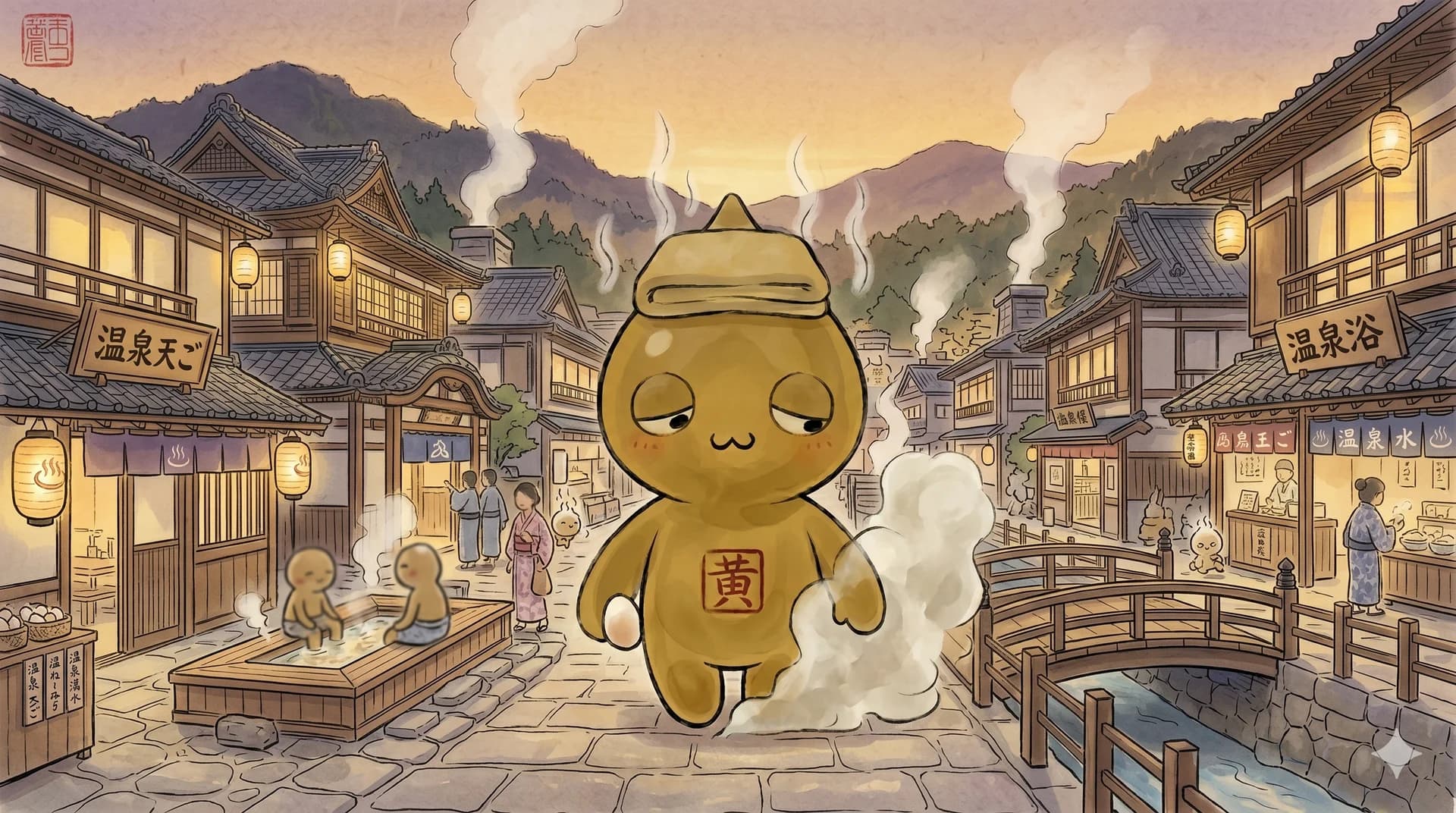
- Footbath at Shimobe-onsen Station: A great way to enjoy the onsen while waiting for a train.
- Minobu Manju: A sweet bun with a refined taste, popular among temple visitors.
MORE WITH THE SAME SPRING TYPE
Loved the Simple Spring of Shimobe Onsen? Try these too
Picked from onsen across Japan where you can enjoy the same Simple Spring.


Q & A
Frequently Asked Questions
Tap any question to expand the answer
Can I narrow down to only inns with a hot-spring analysis in Shimobe Onsen?
Can I find tattoo-friendly inns with private baths or in-room open-air baths in Shimobe Onsen?
Onsen towns are often rural with patchy Wi-Fi and limited public transport. Sort out data, tours and a car before you go.
- Japan eSIMAiralo
- Japan eSIMYesim
- Tours, passes & transfersGetYourGuide
- Tours, passes & transfersKKday
- Car rentalDiscover Cars
Includes affiliate links
References
Famous Onsen Areas with Simple Spring
Check access and tourist information on each onsen area column
Related Articles