Spring types indicated for autonomic disorder
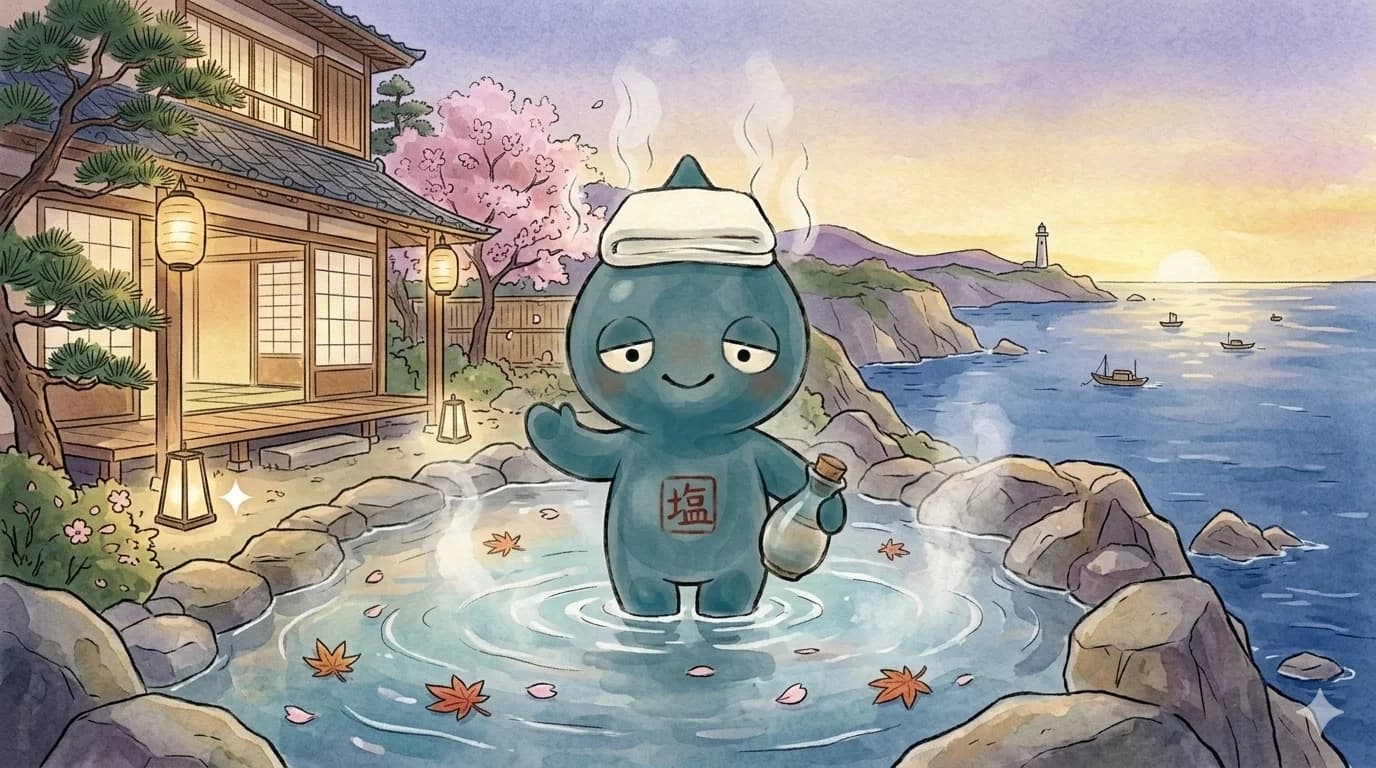
Autonomic nervous system disorder is a general bathing indication shared by all 10 spring types, so any onsen can deliver the relaxation effect of warmth, buoyancy, and hydrostatic pressure. Simple springs — gentle and suitable for everyone — are the first choice, followed by the warming chloride springs, the soft-textured bicarbonate springs, and the recuperative sulphate springs.
low-stimulation first choice, with a specific indication for autonomic disorder and insomnia
strong heat retention keeps the body warm long after bathing, deepening relaxation
a soft, gentle feel that is kind to skin and nerves
a recuperative spring traditionally called the "spring of wounds"
Why onsen bathing is thought to help autonomic disorder
Autonomic nervous system disorder occurs when the balance between sympathetic and parasympathetic activity breaks down. Warmth, hydrostatic pressure, and buoyancy are all thought to activate the parasympathetic system, releasing muscle tension and calming the stress response. All 10 spring types carry this general indication; simple springs additionally have a specific indication for stress relief and autonomic instability.
Filter on the map & mineral viewer
Filter by the relevant spring types and find onsen you like from the map or list. Compare analysis details with the mineral viewer.
Bathing technique for autonomic balance
- Keep water temperature at 38–40°C to favour parasympathetic activationBathing in lukewarm water helps shift your body into a state of relaxation by activating the parasympathetic nervous system. This 'rest-and-digest' mode counteracts the overactive 'fight-or-flight' response, helping to calm your mind and body and restore balance.
- Soak for 15–20 minutesThis duration allows your body to warm up thoroughly, which helps relax tense muscles and is said to promote parasympathetic activity. It's long enough to warm you through without over-stimulating your system or causing fatigue, making it an ideal window for deep relaxation.
- Bathe at the same time each day to reinforce circadian rhythmsConsistency is often said to be key to supporting your body's internal clock, which is closely linked to autonomic function. Making your bath a predictable daily ritual is thought to help stabilize your circadian rhythms, reinforcing a regular pattern of activity and rest.
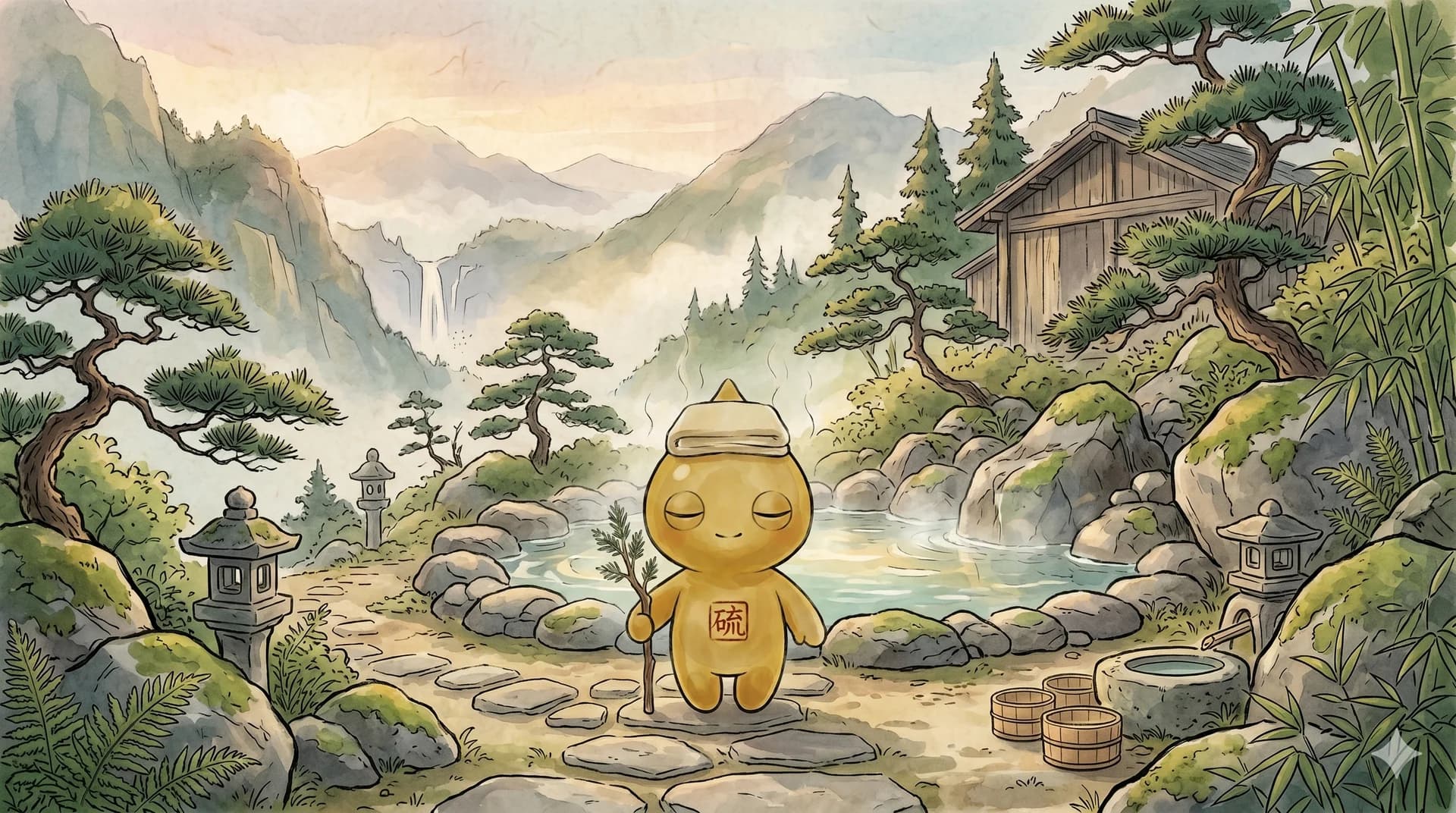
- Avoid strongly acidic, sulphur, or very hot springs — their stimulating effects can worsen symptomsWhile beneficial for some conditions, highly stimulating waters like strongly acidic or sulphur springs can be counterproductive for autonomic imbalances. Their intense properties can activate the sympathetic nervous system, potentially worsening symptoms rather than alleviating them.
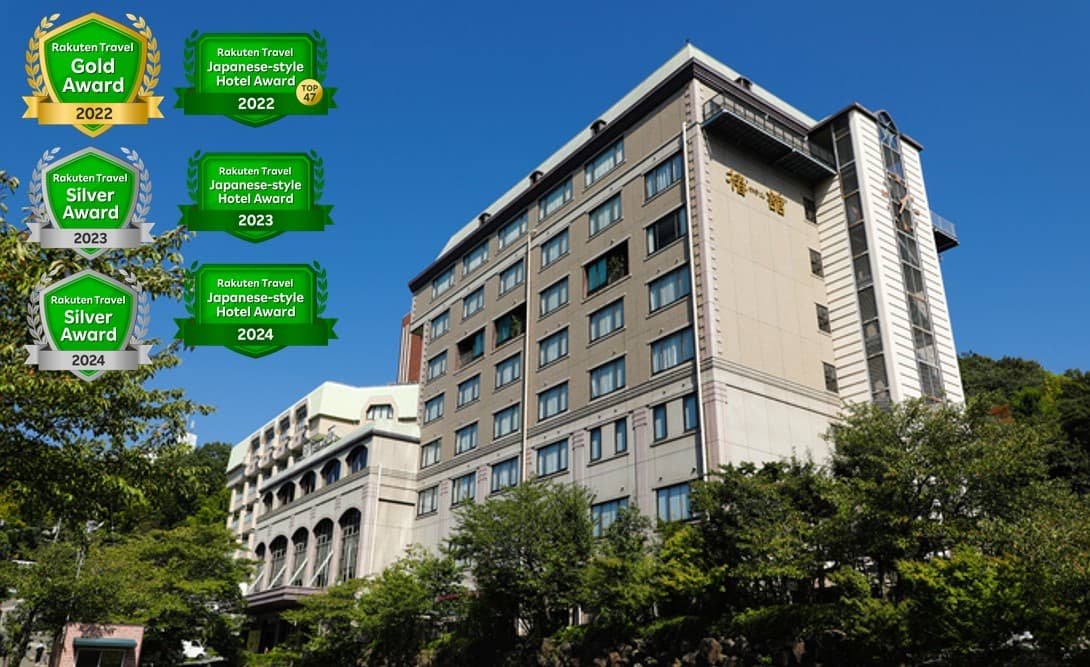
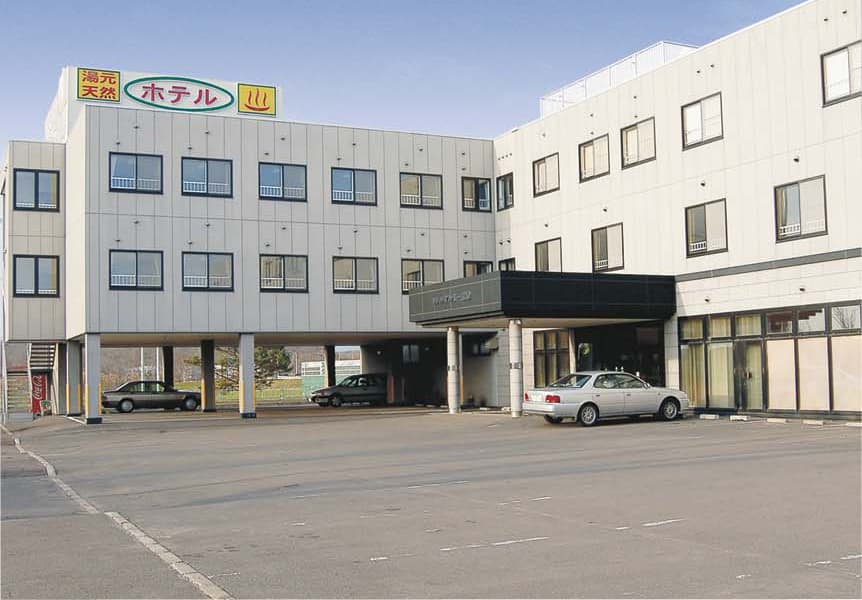
Related Onsen Facilities
















INTERACTIVE TOOLS
Tools available only on this site
Rank the best onsen for your symptom
Rank onsens whose spring types are indicated for Autonomic Dysfunction using analysis-sheet data, then jump straight to booking sites by area.
See ranked picks →Filter qualifying onsens on the interactive map
Plot only hot springs with spring types indicated for Autonomic Dysfunction on a nationwide map. Secondary filters available for distance and lodging category.
Open on map →Quick path from onsen pages to booking sites
From related onsen pages indicated for Autonomic Dysfunction, jump to Agoda, Rakuten Travel, Booking.com, and other booking sites in a single click.
View related onsens →Visualize chemical basis with real numbers (pH, minerals, temperature)
Filter spring types indicated for Autonomic Dysfunction on /explore, then refine by pH, temperature, and natural-flow status. Make decisions on actual measurements (metasilicic mg/kg, pH, temperature) — not AI-generated approximations.
Refine by real data →* Booking links on each onsen page (Agoda, Rakuten Travel, Booking.com, etc.) contain affiliate links. Please check each booking site for the latest terms and pricing.
Choose a ryokan by how you bathe
Onsen towns are often rural with patchy Wi-Fi and limited public transport. Sort out data, tours and a car before you go.
- Japan eSIMAiralo
- Japan eSIMYesim
- Tours, passes & transfersGetYourGuide
- Tours, passes & transfersKKday
- Car rentalDiscover Cars
Includes affiliate links
References
Explore Spring Types for This Condition
Related Articles