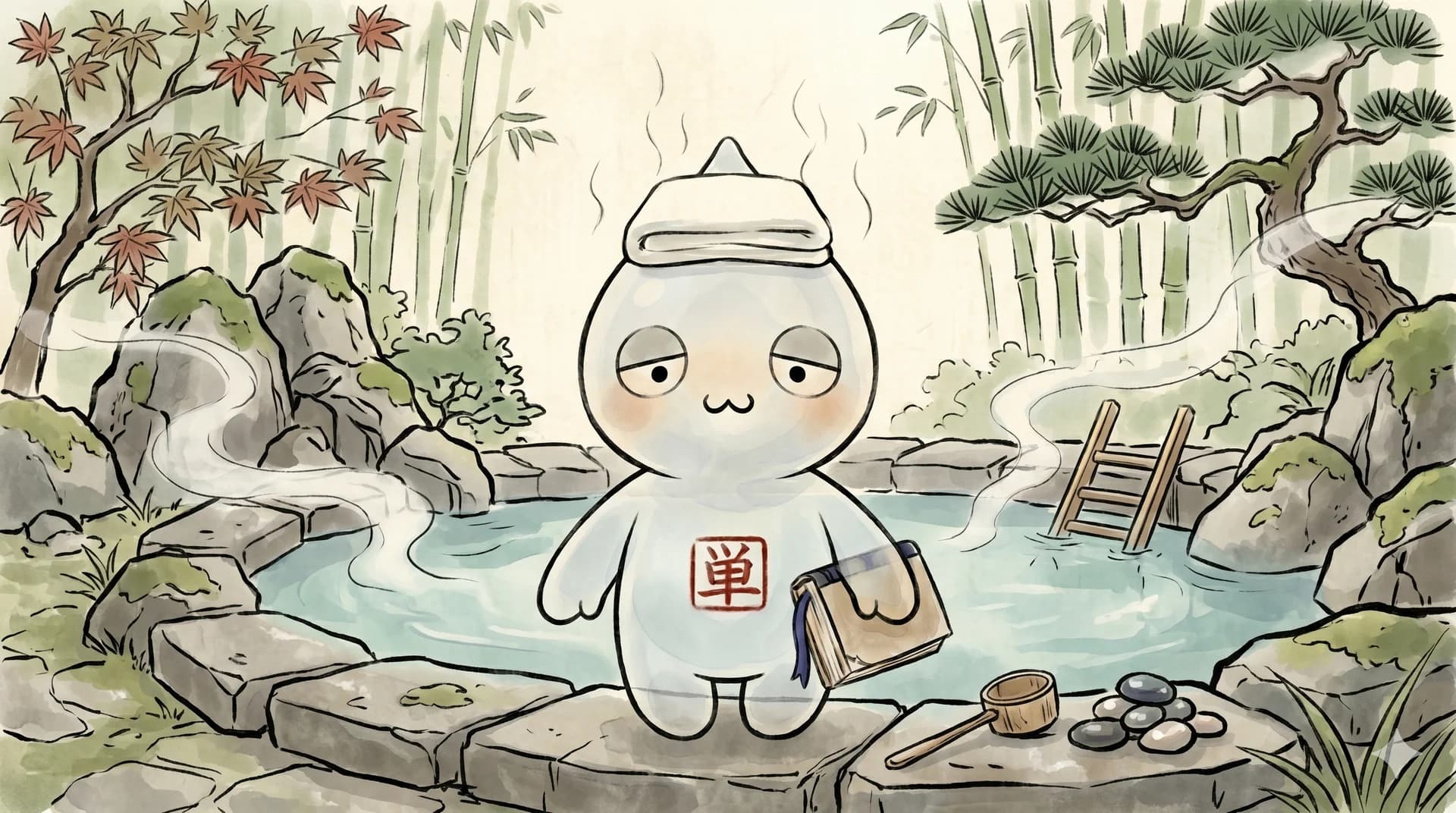
Shionoe Onsen is known for its Radioactive Spring; listed indications for this spring type include Nerve & Joint Pain, Rheumatism. Choose an inn by spring type, benefits and amenities, and book directly.
See inns in Shionoe OnsenOn this page you can filter Shionoe Onsen inns by spring type, benefits, tattoo-friendly, private bath and in-room open-air bath, and book on each property's Agoda or Rakuten page.
Overview
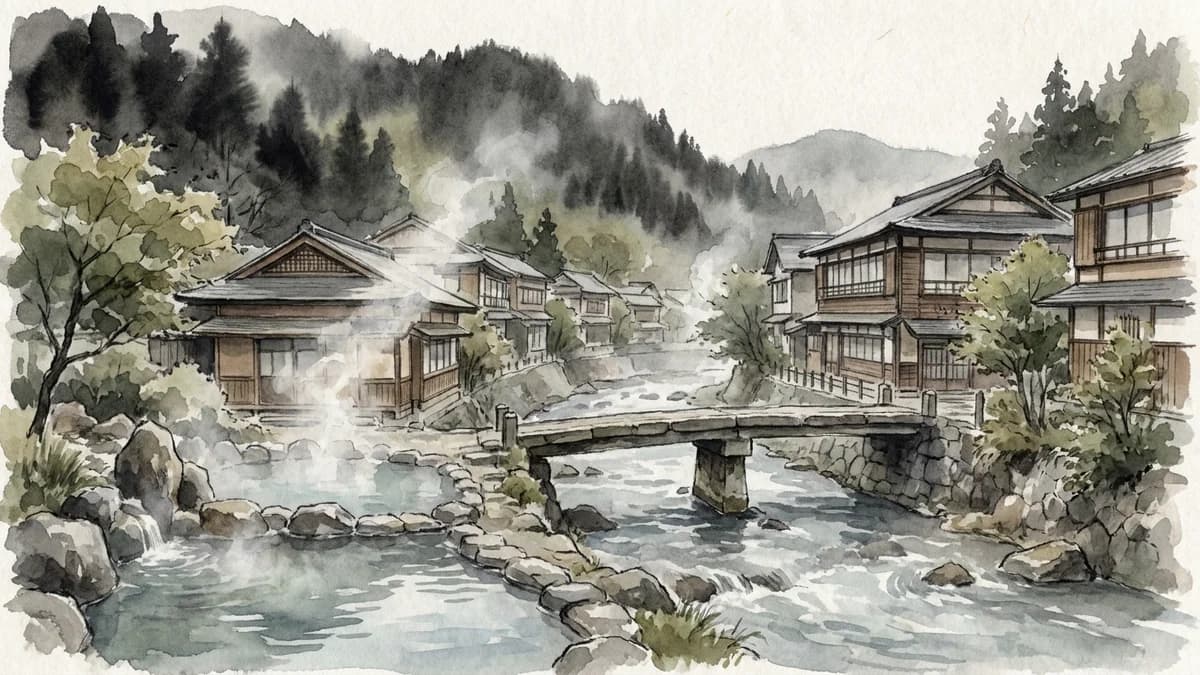
Shionoe Onsen boasts one of the longest histories in Shikoku, reportedly discovered around 1,300 years ago by the high-ranking monk Gyoki. Legend also tells that the great master Kukai trained in this area, and it has long been cherished as a place for therapeutic bathing. During the Edo period, it served as an exclusive spa for the lords of the Takamatsu domain, flourishing as "Takamatsu's inner parlor."
Inns are scattered through the quiet mountain valley along the clear Uchinomi River, a tributary of the Koto River. The area offers beautiful natural scenery in every season, but is especially known for the magical sight of fireflies dancing over the river in early summer. It is an ideal environment for those wishing to escape the hustle and bustle of the city for a peaceful retreat.
Key Spring Types and Benefits
The main spring types in Shionoe Onsen are simple thermal and simple weak radioactive springs. The radioactive springs are expected to provide a "hormesis effect," where trace amounts of radiation stimulate the body's cells, potentially supporting immune system stimulation and pain relief. Simple thermal springs are mild and gentle on the skin, making them suitable for everyone, from children to the elderly.
- Gout (Hyperuricemia)
- Rheumatoid arthritisRheumatoid arthritis is listed among the indications for radon-containing springs, and the deep warmth of the spring helps the body relax.
- Ankylosing spondylitisAnkylosing spondylitis, a type of inflammatory arthritis affecting the spine, is listed among the indications for radon-containing springs, and the spring's deep warmth helps tense muscles relax.
- Autonomic instability
- Insomnia
- Sensitivity to coldThe spring's ability to provide deep, lasting warmth is particularly appreciated by those who feel the cold. Regular bathing is said to promote overall blood circulation, and the warmth tends to linger after bathing.
Water Characteristics and Best Season
As many of the sources are cool mineral springs with temperatures around 25°C (77°F), most facilities heat the water to a comfortable temperature. The water is characteristically soft, colorless, and odorless, and is said to be less tiring even after a long soak. It is highly recommended for those seeking deep relaxation for both mind and body.
While enjoyable year-round, the best times to visit are around June to see the fireflies and in November for the vibrant autumn foliage that colors the mountains. You can enjoy a luxurious time indulging in both the beauty of nature and the hot springs in a tranquil setting.
Access
Nearby Sightseeing & Local Cuisine
- Sanuki Udon hopping
- Honetsuki-dori (local grilled chicken on the bone)
- Hotaru to Bunka no Sato (Firefly Museum)
- Autumn leaves at Uchinomi Dam
- Michi-no-Eki Shionoe (roadside station)
- Iwabu Hachimangu Shrine
- Hiking on Mt. Otaki
MORE WITH THE SAME SPRING TYPE
Loved the Radioactive Spring of Shionoe Onsen? Try these too
Picked from onsen across Japan where you can enjoy the same Radioactive Spring.



Q & A
Frequently Asked Questions
Tap any question to expand the answer
Can I narrow down to only inns with a hot-spring analysis in Shionoe Onsen?
Can I find tattoo-friendly inns with private baths or in-room open-air baths in Shionoe Onsen?
Onsen towns are often rural with patchy Wi-Fi and limited public transport. Sort out data, tours and a car before you go.
- Japan eSIMAiralo
- Japan eSIMYesim
- Tours, passes & transfersGetYourGuide
- Tours, passes & transfersKKday
- Car rentalDiscover Cars
Includes affiliate links
References
Famous Onsen Areas with Radioactive Spring
Check access and tourist information on each onsen area column
Related Articles