Ureshino Onsen is known for its Bicarbonate Spring; listed indications for this spring type include Skin Beauty, Wound Healing. Choose an inn by spring type, benefits and amenities, and book directly.
See inns in Ureshino OnsenOn this page you can filter Ureshino Onsen inns by spring type, benefits, tattoo-friendly, private bath and in-room open-air bath, and book on each property's Agoda or Rakuten page.
Compare & book inns in Ureshino Onsen
Awaiting analysis(9)
Overview
The history of Ureshino Onsen is ancient, with records in the "Fudoki of Hizen Province" compiled in the Nara period (8th century) stating, "There is a hot spring in the eastern part that can heal people's ailments." During the Edo period, it flourished as a post town on the Nagasaki Kaido highway, offering rest to countless travelers. German physician Philipp Franz von Siebold is also said to have visited and praised its waters.
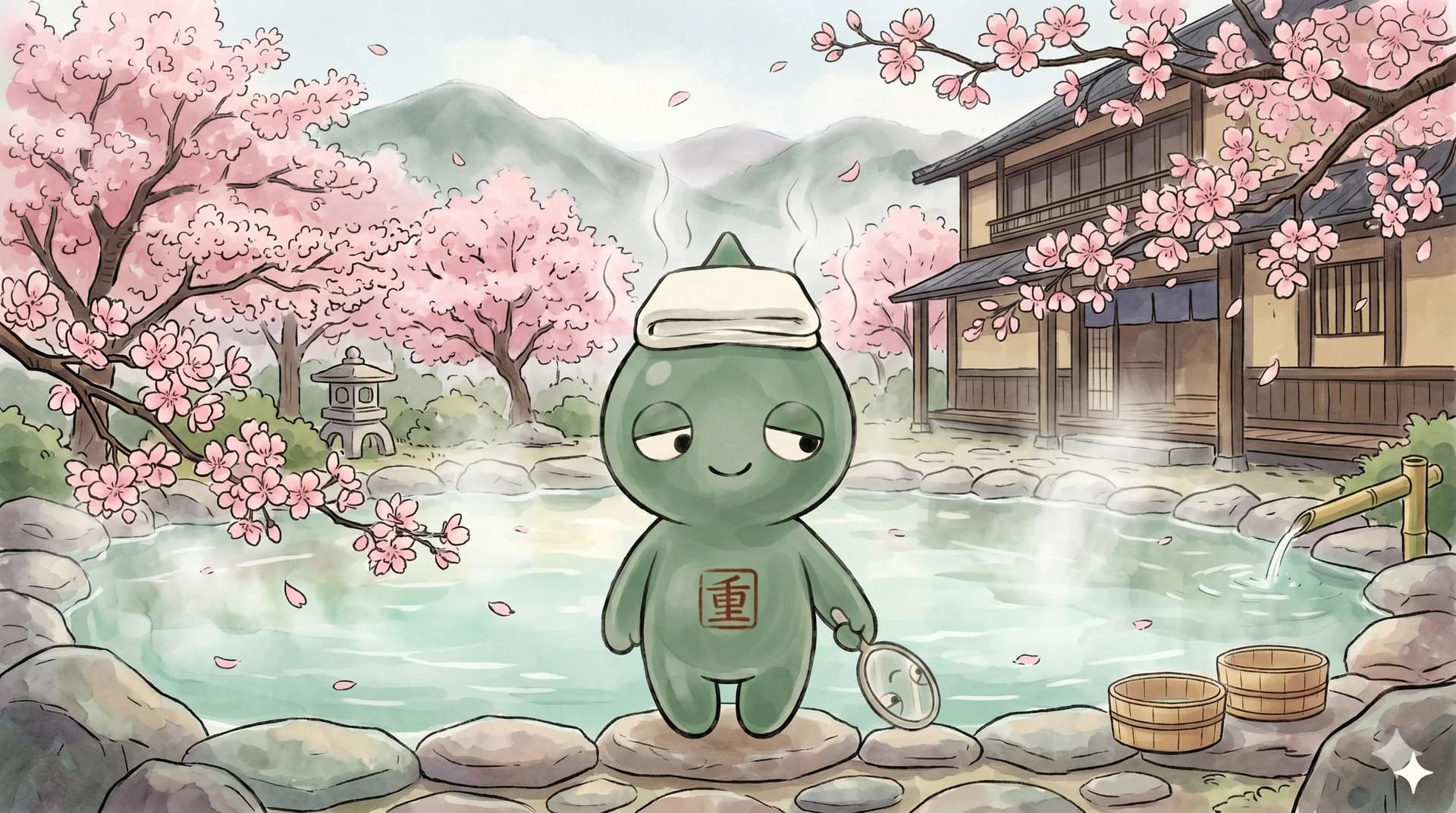
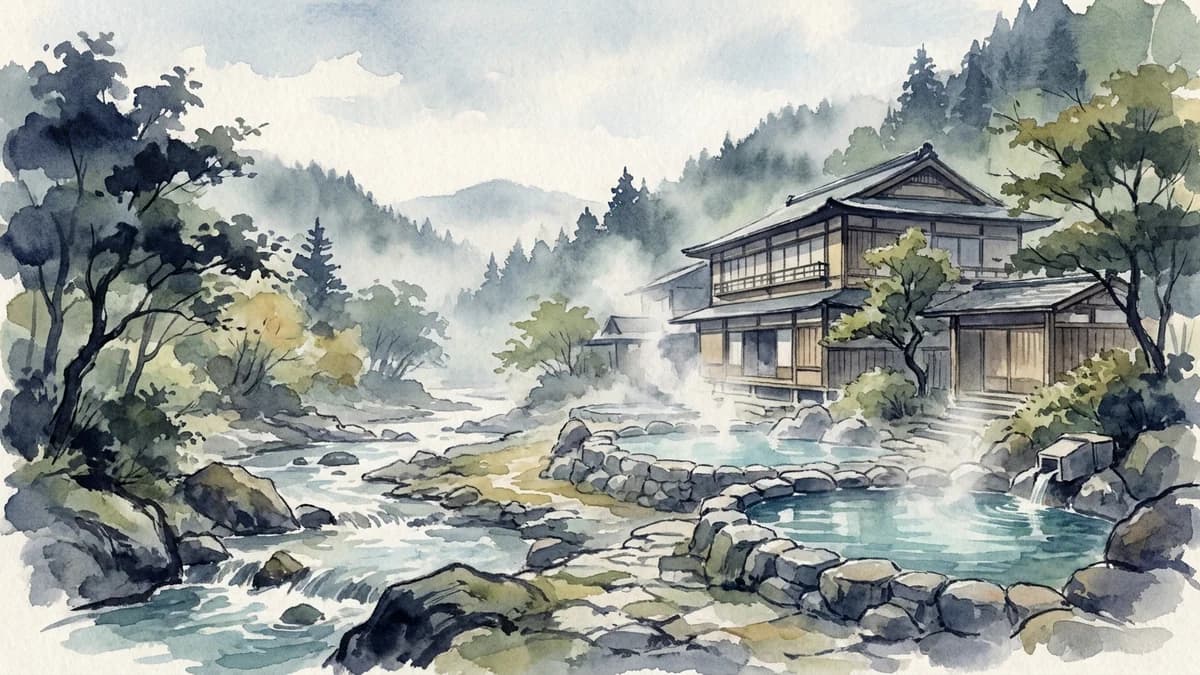
The onsen town spreads along the Ureshino River, lined with charming ryokans and shops, making for a pleasant stroll after a bath. Ureshino is also one of Japan's leading tea-producing areas, and these two gifts of nature—hot springs and green tea—enrich the wellness experience of the region.
Signature Spring Qualities & Benefits
Ureshino's water is a Sodium Bicarbonate and Chloride Spring, earning it a spot among Japan's top three "beautiful skin" hot springs. The bicarbonate is expected to soften the skin's keratin layer for a silky skin effect. Additionally, the chloride content forms a thin veil on the skin, preventing moisture evaporation and providing a restorative warmth that helps you stay warm after your bath.
- CutsThe alkaline nature of the water provides a gentle cleansing effect, which may help in keeping minor abrasions clean. Soaking in the sodium bicarbonate spring is traditionally believed to support the natural healing process for small wounds.
- Sensitivity to coldSoaking in the hot, mineral-rich water can help improve blood circulation throughout the body. This warming effect may provide relief for those who often feel cold in their hands and feet, a condition known as hiesho in Japan.
- Dry skinThe spring's high alkalinity and sodium bicarbonate content give the water a gentle, soap-like cleansing quality, leaving the skin feeling exceptionally smooth and moisturized after bathing.
- Poor circulation
Water Characteristics & Best Season
The source temperature is very high, ranging from 85-95°C (185-203°F), so most facilities add cool water to adjust the temperature. The water is clear and colorless, with a unique, slightly thick, and smooth texture. It is also potable and is said to aid digestion. The local specialty, "Onsen Yudofu" (hot spring tofu), is made by simmering tofu in this mineral-rich water, which gives it a melt-in-your-mouth texture.
While enjoyable year-round, the best times to visit are spring (April-May) to enjoy the aroma of new tea leaves, and autumn (October-November) for pleasant walking weather.
Access
Nearby Sightseeing & Local Cuisine
- Onsen Yudofu: Ureshino's signature dish, famous for its meltingly soft texture.
- Ureshino Tea: A high-quality green tea that has won numerous national awards.
- Toyotama-hime Shrine: Home to a white catfish statue, worshipped as a god of beautiful skin.
- Siebold-no-Yu: A Gothic-style public bathhouse built in the Taisho era.
- Todoroki-no-Taki Park: A park centered around an 11-meter waterfall, perfect for a walk.
- Hizen Yoshida Pottery: A type of porcelain with a 400-year history. You can visit the kilns.
- Ureshino Chadoki: A special experience of enjoying tea time in the middle of a tea plantation.
MORE WITH THE SAME SPRING TYPE
Loved the Carbonated Spring of Ureshino Onsen? Try these too
Picked from onsen across Japan where you can enjoy the same Carbonated Spring.


Q & A
Frequently Asked Questions
Tap any question to expand the answer
Can I narrow down to only inns with a hot-spring analysis in Ureshino Onsen?
Can I find tattoo-friendly inns with private baths or in-room open-air baths in Ureshino Onsen?
Onsen towns are often rural with patchy Wi-Fi and limited public transport. Sort out data, tours and a car before you go.
- Japan eSIMAiralo
- Japan eSIMYesim
- Tours, passes & transfersGetYourGuide
- Tours, passes & transfersKKday
- Car rentalDiscover Cars
Includes affiliate links
References
Famous Onsen Areas with Carbonated Spring
Check access and tourist information on each onsen area column
Related Articles