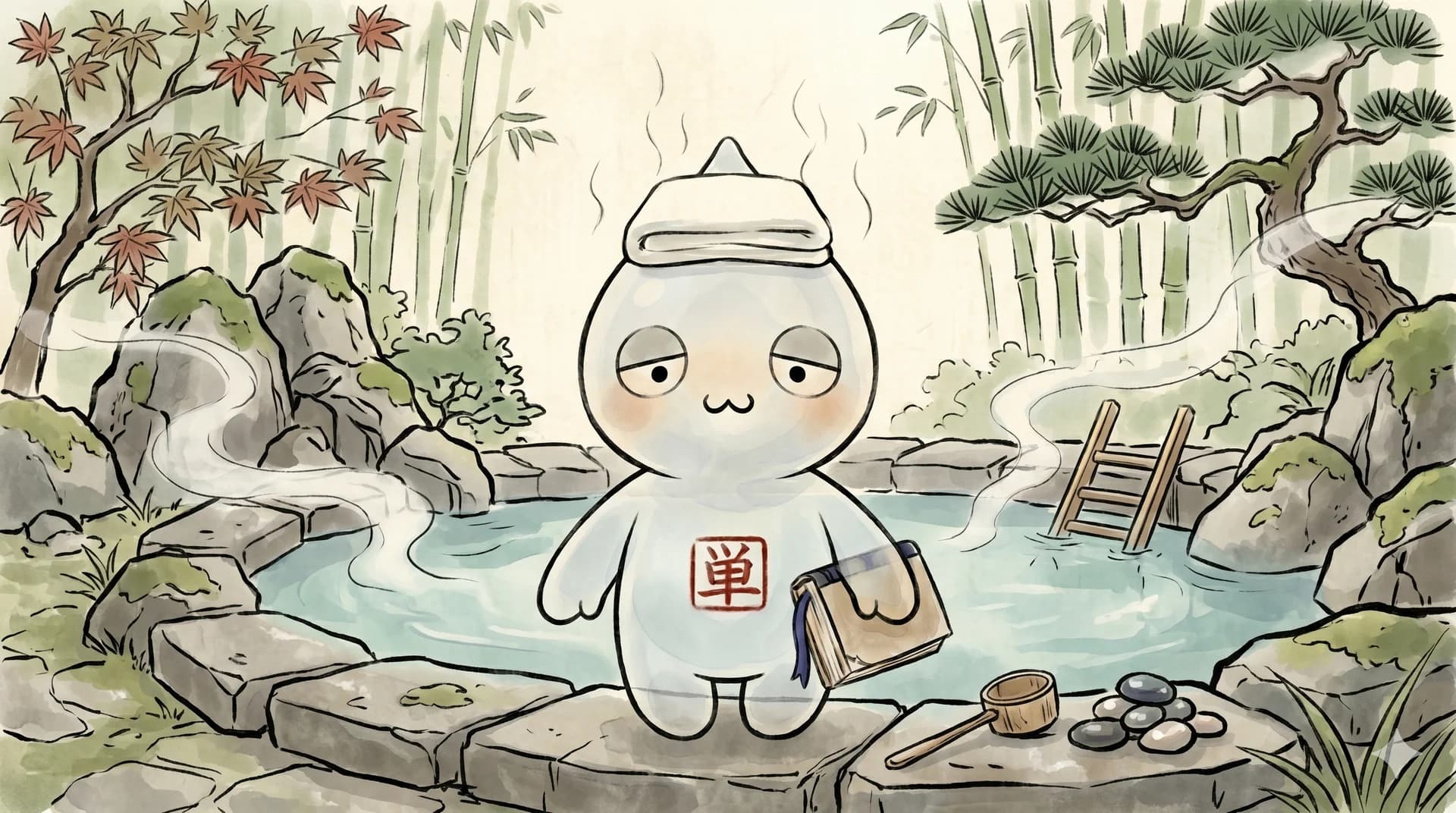
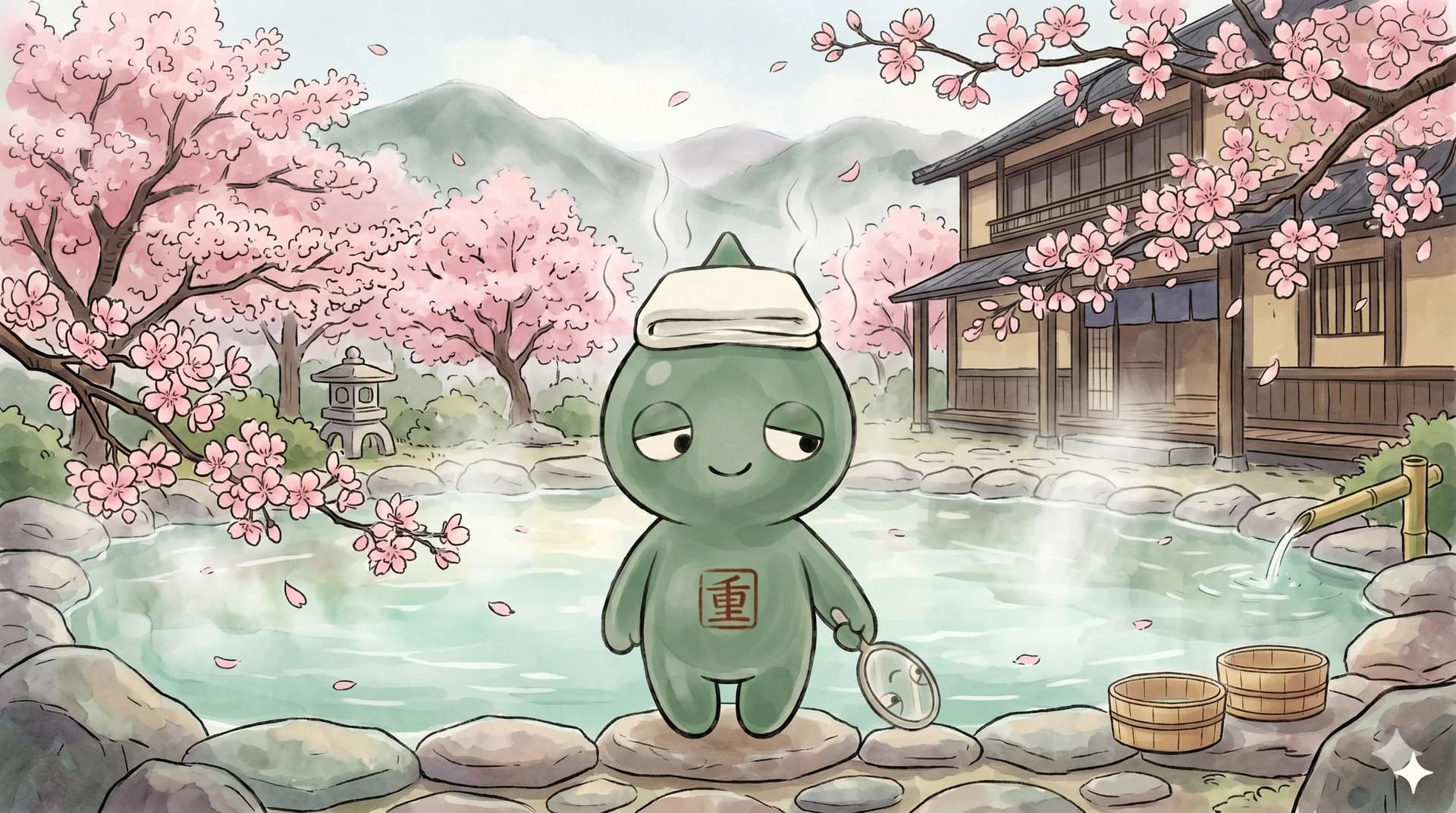
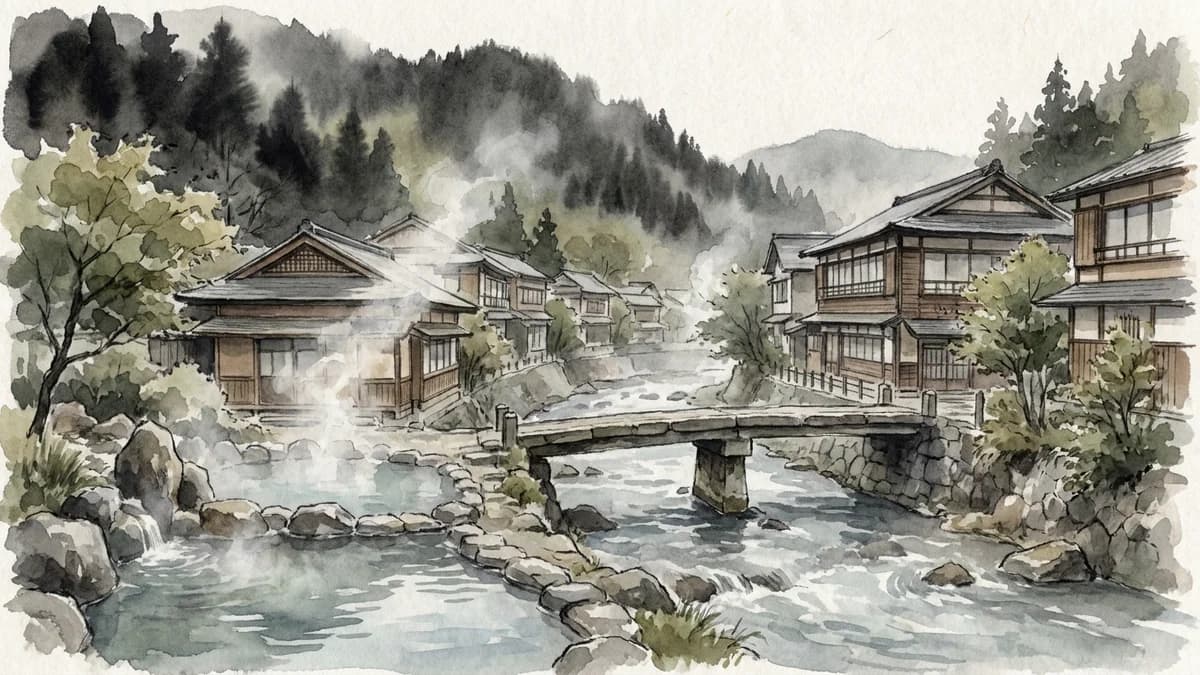
Fukuroda Onsen is known for its Simple Hot Spring; listed indications for this spring type include Fatigue, Insomnia. Choose an inn by spring type, benefits and amenities, and book directly.
See inns in Fukuroda OnsenOn this page you can filter Fukuroda Onsen inns by spring type, benefits, tattoo-friendly, private bath and in-room open-air bath, and book on each property's Agoda or Rakuten page.
Compare & book inns in Fukuroda Onsen
Awaiting analysis(1)
Overview
Fukuroda Onsen is a hot spring area located in Daigo, Kuji-gun, Ibaraki Prefecture, spreading out before 'Fukuroda Falls,' one of Japan's three most famous waterfalls. Its history is relatively new, with hot spring development progressing from the late Showa to the Heisei era (late 1980s-2000s) to accommodate the increasing number of tourists visiting the falls.
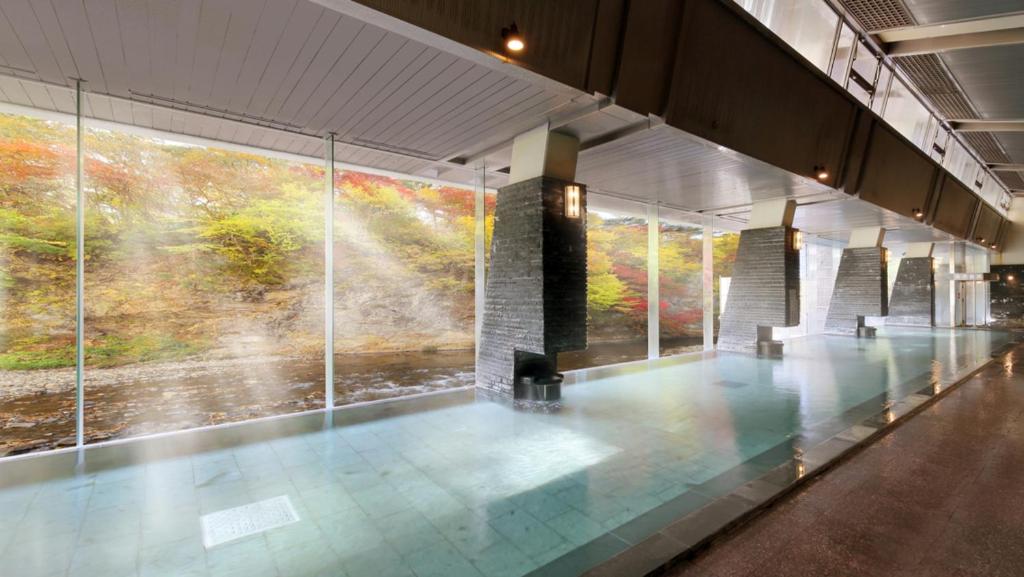
Along the clear Kuji River, accommodations range from modern hotels to charming traditional ryokans. Rather than a bustling onsen town, the area is characterized by individual inns blending into the rich nature of Okukuji. You can enjoy bathing while admiring the seasonal beauty of the valley, which is particularly exceptional during the fresh green and autumn foliage seasons. It is a captivating place where you can experience the power of the waterfall and the healing of the onsen at the same time.
Key Spring Qualities and Health Benefits
The main spring quality is simple alkaline thermal water with a pH over 8.5. It is called 'bijin-no-yu' (waters of beauty) for its property of removing old keratin from the skin, which may leave your skin feeling smooth after bathing. Some facilities also have sodium bicarbonate spring sources, which are also known for their skin-beautifying effects.
- Autonomic instabilityThe warm, gentle nature of the alkaline simple spring may help soothe the nervous system and restore balance. Soaking in the smooth-textured water can reduce stress, a common factor in autonomic instability, promoting overall relaxation.
- InsomniaA warm bath in the evening is said to help regulate the body's internal clock, making it easier to fall asleep. The gentle heat and relaxing properties of the spring water may ease physical and mental tension that often contributes to sleeplessness.
- Depressive states
- Dry skin
- Cuts
- Sensitivity to coldSoaking in the heated spring water helps improve blood circulation, warming the body from its core. This enhanced circulation is said to deliver warmth to hands and feet, easing a chronic feeling of coldness.
Water Characteristics and Best Time to Visit
The water is colorless and transparent, with a slightly thick, clinging texture and a soft, non-irritating feel on the skin. The source temperature varies by facility, but it is often heated before being supplied to the baths. A slow, relaxing soak can help soothe daily fatigue and promote deep relaxation.
While enjoyable year-round, the best times to visit are autumn (around November) for the beautiful foliage, and winter (January-February) when you can see the 'hyobaku' (icefall) as the waterfall completely freezes. The fresh green of spring and the river activities of summer are also very appealing.
Access
Nearby Sightseeing & Local Cuisine
- Fukuroda Falls: One of Japan's three great waterfalls, with a height of 120m and a width of 73m.
- Tsukimachi Falls: A 'urami-no-taki' where you can walk behind the waterfall.
- Ryujin Great Suspension Bridge: One of Japan's longest pedestrian bridges, offering a thrilling bungee jump.
- Okukuji Shamo Chicken: A local breed of chicken known for its firm texture and rich flavor.
- Konjac (Konnyaku) Dishes: Daigo is a production area for konjac. Try it as sashimi or with miso.
- Ayu (Sweetfish) from Kuji River: Enjoy grilled or with rice from summer to autumn.
- Okukuji Apples: Apple picking is a popular activity in autumn.
MORE WITH THE SAME SPRING TYPE
Loved the Simple Spring of Fukuroda Onsen? Try these too
Picked from onsen across Japan where you can enjoy the same Simple Spring.





Q & A
Frequently Asked Questions
Tap any question to expand the answer
Can I narrow down to only inns with a hot-spring analysis in Fukuroda Onsen?
Can I find tattoo-friendly inns with private baths or in-room open-air baths in Fukuroda Onsen?
Onsen towns are often rural with patchy Wi-Fi and limited public transport. Sort out data, tours and a car before you go.
- Japan eSIMAiralo
- Japan eSIMYesim
- Tours, passes & transfersGetYourGuide
- Tours, passes & transfersKKday
- Car rentalDiscover Cars
Includes affiliate links
Famous Onsen Areas with Simple Spring
Check access and tourist information on each onsen area column
Related Articles