Unzen Onsen is known for its Sulfur Spring; listed indications for this spring type include Dry Skin / Atopy, Asthma. Choose from 1 inns with a hot-spring analysis on file, filtering by spring type, benefits and amenities, and book directly.
See inns in Unzen OnsenOn this page you can filter Unzen Onsen inns by spring type, benefits, tattoo-friendly, private bath and in-room open-air bath, and book on each property's Agoda or Rakuten page.
Compare & book inns in Unzen Onsen

Awaiting analysis(24)
Overview
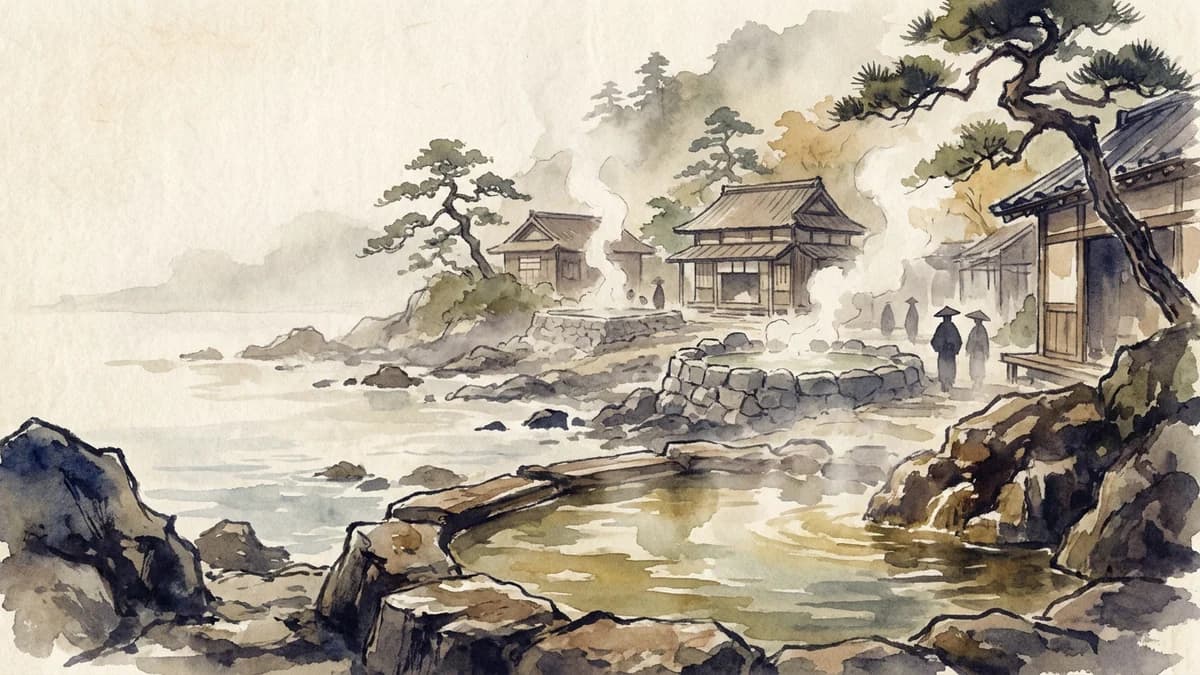
The history of Unzen Onsen is ancient, said to have been discovered by the Buddhist monk Gyoki in the Nara period. In the Edo period, it became the tragic stage for Christian martyrdom, but its excellent spring quality also became widely known, and it flourished as a hot spring cure destination (tōji).
Entering the Meiji era, its scenic beauty and cool climate were beloved by Westerners, and it developed as a summer resort for foreigners residing in Shanghai and Nagasaki. Golf courses and tennis courts were established, solidifying its status as an international resort. In 1934, it was designated as one of Japan's first national parks (Unzen-Amakusa National Park) and continues to attract many visitors from Japan and abroad.
Typical Spring Qualities and Benefits
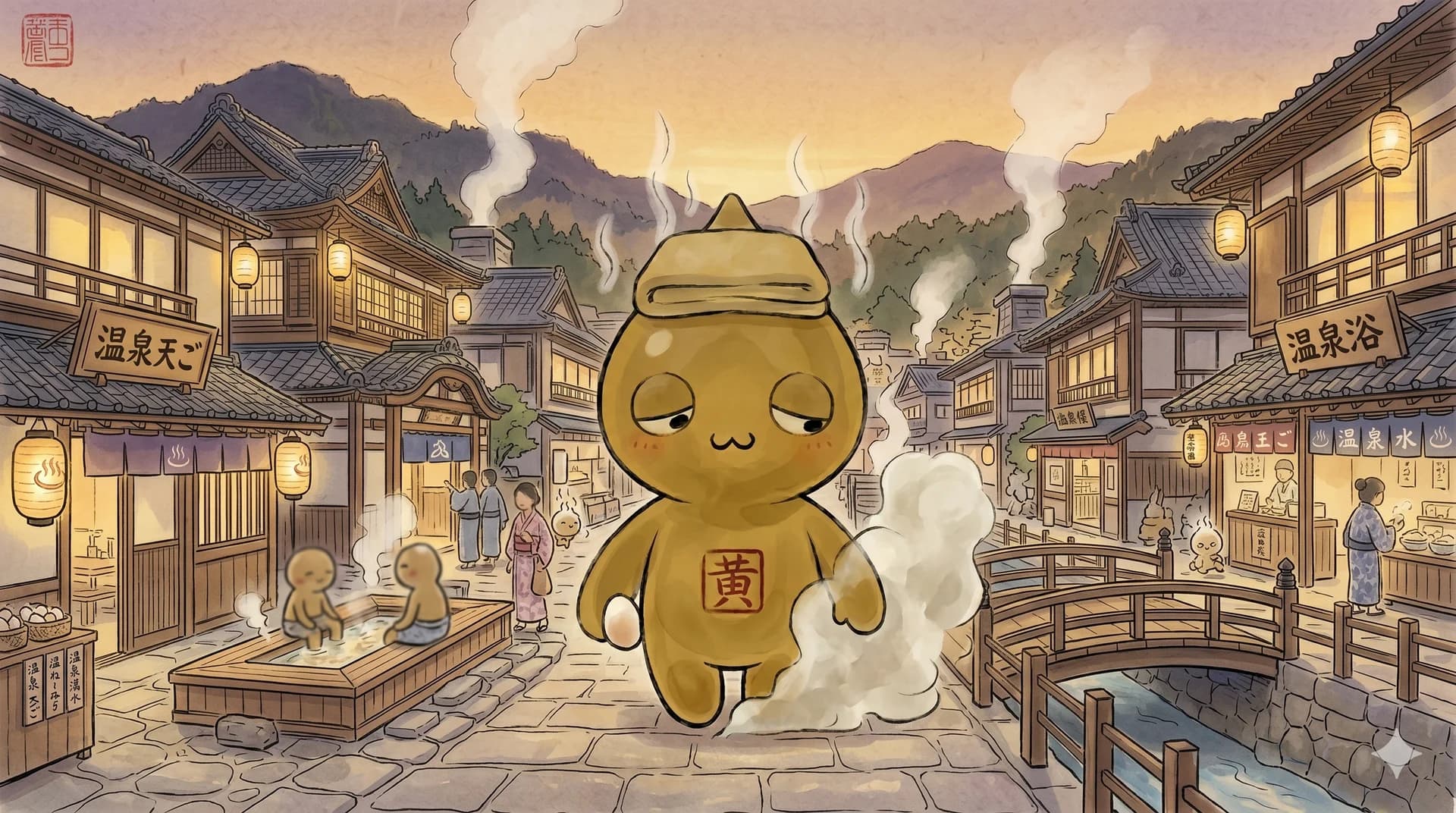
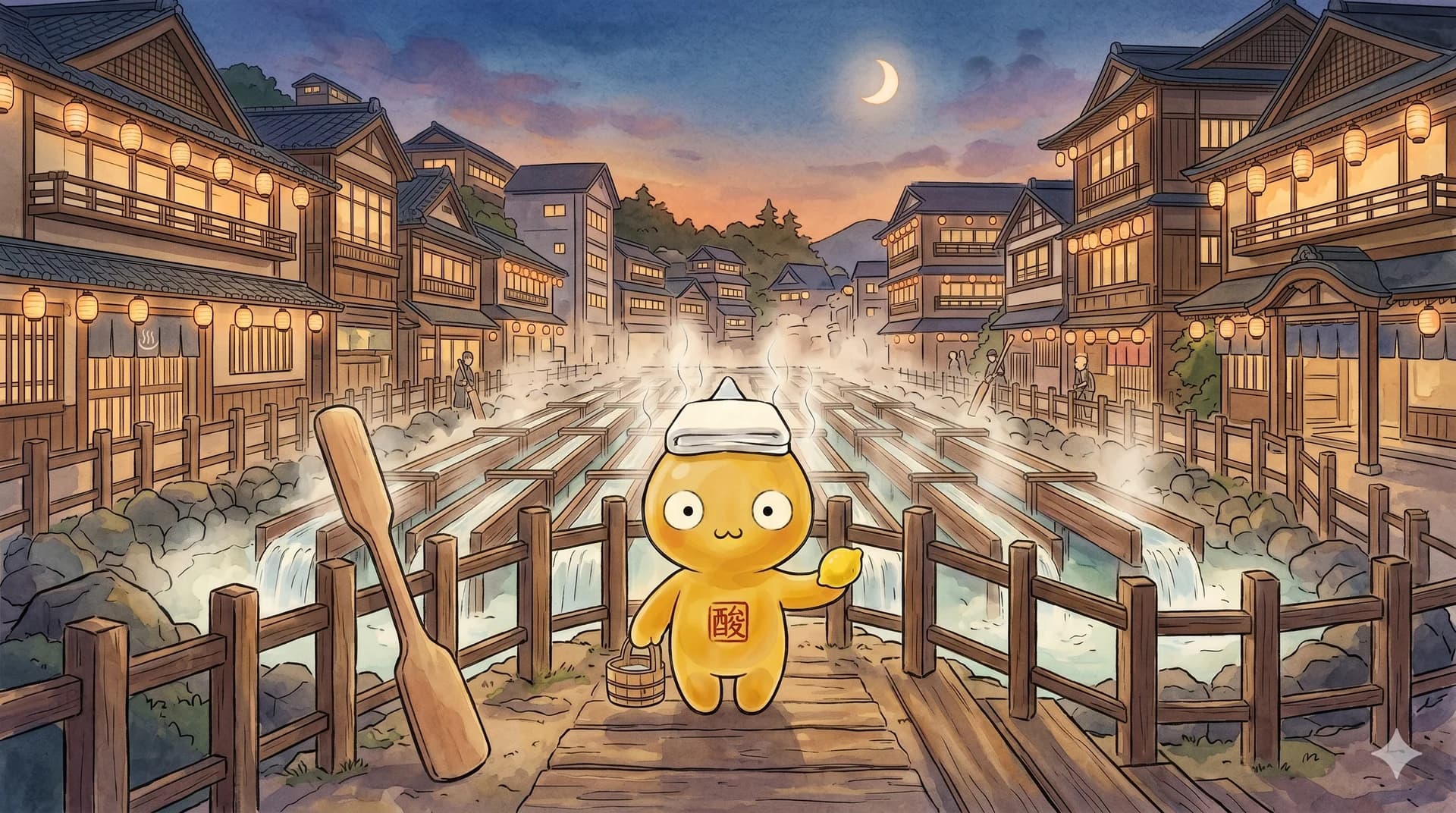
The most prominent feature of Unzen Onsen is its milky-white, strongly acidic sulfur spring. With a pH of around 2, its high acidity provides strong sterilizing properties. It's also called "Bijin-no-yu" (water for beautiful skin) for its peeling effect that removes old skin cells. The scent of sulfur enhances the onsen atmosphere.
- Atopic dermatitisThe sulfur and acidic water is said to have bactericidal properties, and atopic dermatitis is listed among the indications for both sulfur and acidic springs.
- Psoriasis vulgarisUnzen's water is said to soften the skin's surface, and psoriasis is listed among the indications for sulfur springs.
- Chronic eczemaThe spring's high sulfur content and acidity are believed to have a bactericidal effect, and chronic eczema is listed among the indications for sulfur springs.
- Impaired glucose tolerance (Diabetes)The sulfur components in the water are traditionally thought to aid metabolic function. Combined with the improved blood circulation from bathing, this may help support the body's natural ability to regulate blood sugar.
- Rheumatoid arthritisThe warmth of the water helps muscles relax, and chronic joint pain and stiffness are listed among the general indications for bathing. Furthermore, the warm water promotes blood circulation throughout the body.
- Dry skin
Water Characteristics and Best Season
The source temperature is extremely high, over 90°C (194°F), so most facilities add cool water to adjust the temperature. The water is milky white with a distinctive sulfur smell. Due to its strong acidity, you might feel a slight tingling on the skin, but it leaves you feeling refreshed. Precious metals can tarnish, so be sure to remove them before bathing.
Unzen is beautiful in all four seasons. You can enjoy Miyama Kirishima azaleas in spring, a cool retreat in summer, the autumn foliage of Nita Pass (designated a national natural monument), and frozen fog (Hana-boro) in winter, offering a different face with each visit.
Access
Nearby Sightseeing & Local Gourmet
- Unzen Hells (Jigoku): The symbol of the onsen town, with white steam vents and the smell of sulfur.
- Nita Pass & Unzen Ropeway: Offers stunning views of azaleas in spring, autumn leaves, and winter's frozen fog.
- Unzen Vidro Museum: A beautiful museum displaying 19th-century Bohemian glass.
- Onsen Tamago: A local specialty of eggs slow-cooked in the steam of the 'hells', with a faint sulfur aroma.
- Yu-senpei: Simple, slightly sweet crackers made using local hot spring water.
- Guzoni: A regional dish from the Shimabara area. A hearty soup with rice cakes, vegetables, fish, and more.
- Obama Chanpon: A local noodle dish from nearby Obama Onsen, featuring a light seafood broth.
MORE WITH THE SAME SPRING TYPE
Loved the Sulphur Spring of Unzen Onsen? Try these too
Picked from onsen across Japan where you can enjoy the same Sulphur Spring.



Q & A
Frequently Asked Questions
Tap any question to expand the answer
Can I narrow down to only inns with a hot-spring analysis in Unzen Onsen?
Can I find tattoo-friendly inns with private baths or in-room open-air baths in Unzen Onsen?
Onsen towns are often rural with patchy Wi-Fi and limited public transport. Sort out data, tours and a car before you go.
- Japan eSIMAiralo
- Japan eSIMYesim
- Tours, passes & transfersGetYourGuide
- Tours, passes & transfersKKday
- Car rentalDiscover Cars
Includes affiliate links
References
Famous Onsen Areas with Sulphur Spring
Check access and tourist information on each onsen area column
Related Articles