Sakakibara Onsen is known for its Simple Hot Spring; listed indications for this spring type include Fatigue, Insomnia. Choose an inn by spring type, benefits and amenities, and book directly.
See inns in Sakakibara OnsenOn this page you can filter Sakakibara Onsen inns by spring type, benefits, tattoo-friendly, private bath and in-room open-air bath, and book on each property's Agoda or Rakuten page.
Compare & book inns in Sakakibara Onsen
Awaiting analysis(2)
Overview
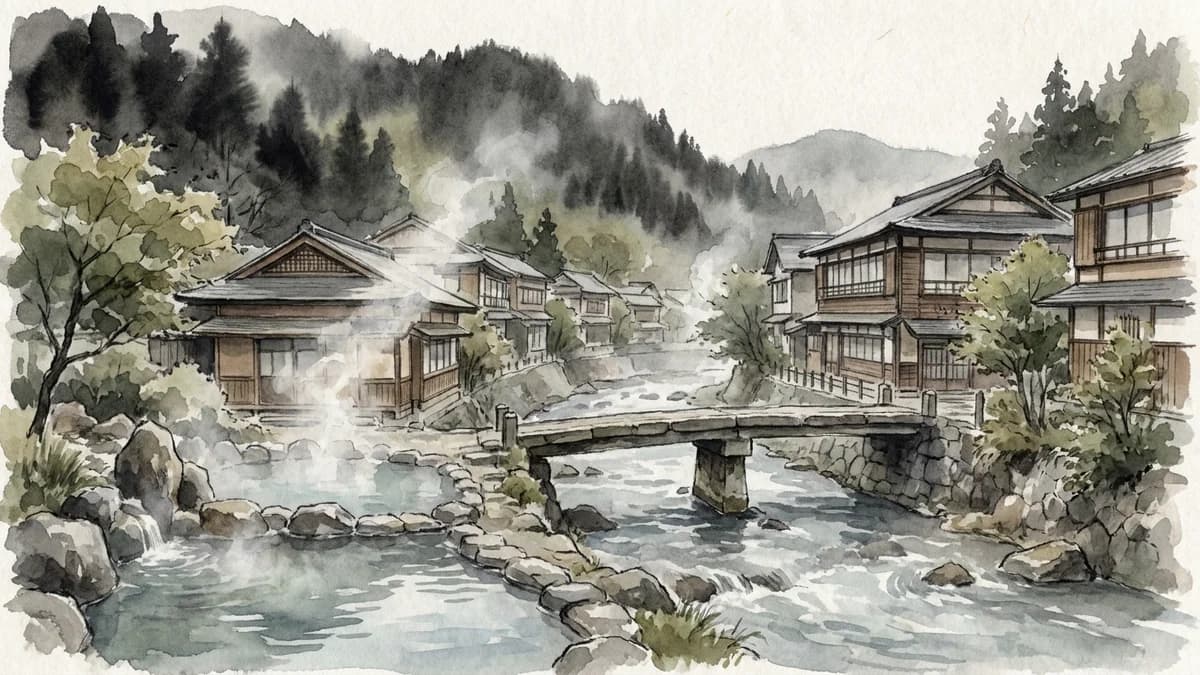
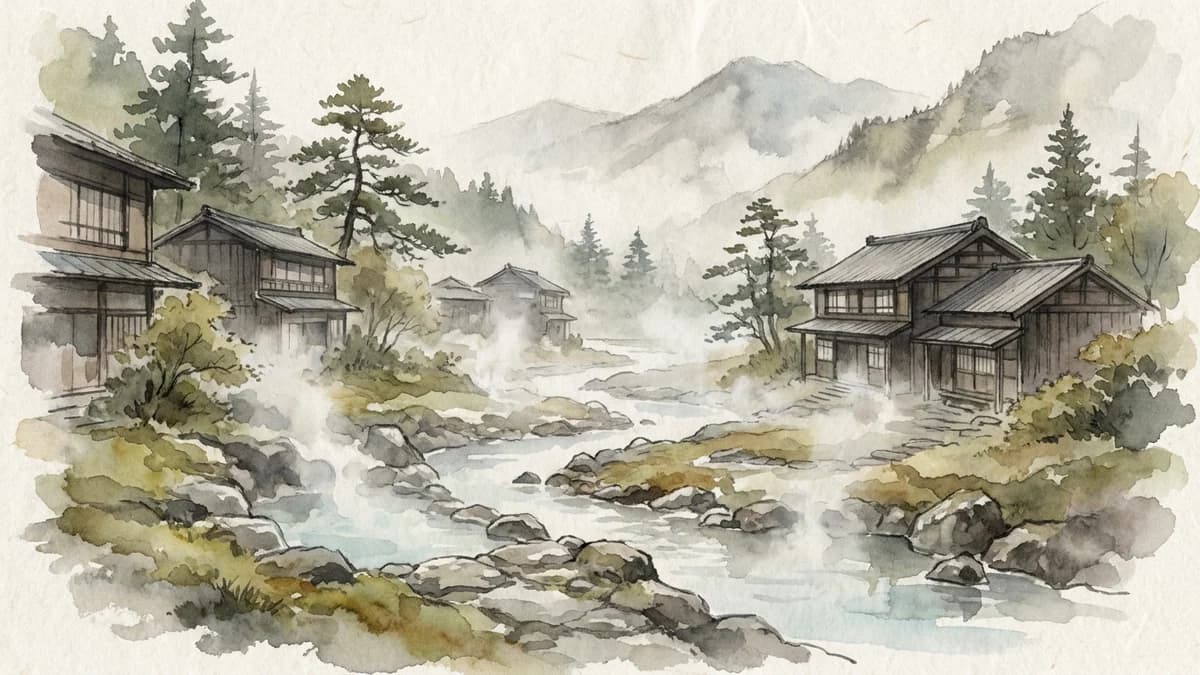
Sakakibara Onsen is a historic hot spring resort located in Tsu City, Mie Prefecture. Its origins are ancient, widely believed to be the "Nanakuri-no-yu" mentioned in Sei Shonagon's 11th-century classic, "The Pillow Book," alongside the famous Arima and Tamatsukuri onsens. The name derives from the area's former name, "Nanakuri-go."
For centuries, it also served as a place for "yugori," a purification ritual where pilgrims would cleanse their body and spirit before visiting the sacred Ise Grand Shrine. The clear, slightly viscous water has a unique, silky feel, continuing to soothe visitors to this day.
Typical Spring Quality and Indications
The primary spring type at Sakakibara Onsen is a simple thermal spring with a high alkaline level, with a pH of over 9.0. This high alkalinity is said to help soften and exfoliate old skin cells, resulting in a noticeably smooth and silky skin feeling after bathing. This quality has earned it the nickname "Bijin-no-yu" or "hot spring for beautiful skin."
- Autonomic instabilityThe tranquil, rural setting of the onsen promotes deep relaxation. Soaking in the gentle, lukewarm source water allows for a long, calming bath that doesn't strain the body, which may help regulate the autonomic nervous system.
- Insomnia
- Dry skinThe spring's high alkalinity, with a pH around 9.5, leaves the skin feeling exceptionally smooth and moisturized after bathing, earning it the name "beauty spring."
- Cuts
- Sensitivity to coldBathing in the warm, gentle waters helps to heat the body from its core. This thermal effect can improve blood circulation throughout the body, which may provide lasting relief for those who often feel cold.
- Poor gastrointestinal functionThe relaxing effect of bathing in the warm water can help soothe the autonomic nerves that regulate the digestive system. This gentle, calming experience may help improve the function of a sluggish stomach or intestines.
Water Characteristics and Best Season
The source temperature is relatively low at around 30°C (86°F), so most inns and bathhouses heat the water for bathing. Some establishments offer both heated pools and unheated, free-flowing source-water baths (gensen kakenagashi). The water's most defining characteristic is its clear, silky texture that seems to cling to the skin.
While enjoyable year-round, the mild weather of spring and autumn is particularly recommended, as it's perfect for a stroll after your bath. Winter offers the chance to enjoy the onsen's tranquility amidst a quiet, possibly snowy landscape.
Access
Nearby Attractions & Local Cuisine
- Ise Grand Shrine: The most sacred Shinto shrine in Japan, with deep historical ties to the onsen.
- Okage Yokocho & Oharai Machi: A charming historic district near the shrine for street food and souvenirs.
- Matsusaka Beef: A world-renowned brand of wagyu beef. Savor it at local restaurants.
- Louvre Sculpture Museum: A sister museum to the Musée du Louvre in Paris.
- Aoyama Kogen (Highlands): A plateau offering stunning views and a vast landscape of wind turbines.
- Iyamajinja Shrine: A local shrine that enshrines the guardian deity of Sakakibara Onsen's source.
- Akafuku Mochi: A famous sweet rice cake, the quintessential souvenir from the Ise region.
MORE WITH THE SAME SPRING TYPE
Loved the Simple Spring of Sakakibara Onsen? Try these too
Picked from onsen across Japan where you can enjoy the same Simple Spring.


Q & A
Frequently Asked Questions
Tap any question to expand the answer
Can I narrow down to only inns with a hot-spring analysis in Sakakibara Onsen?
Can I find tattoo-friendly inns with private baths or in-room open-air baths in Sakakibara Onsen?
Onsen towns are often rural with patchy Wi-Fi and limited public transport. Sort out data, tours and a car before you go.
- Japan eSIMAiralo
- Japan eSIMYesim
- Tours, passes & transfersGetYourGuide
- Tours, passes & transfersKKday
- Car rentalDiscover Cars
Includes affiliate links
References
Famous Onsen Areas with Simple Spring
Check access and tourist information on each onsen area column
Related Articles