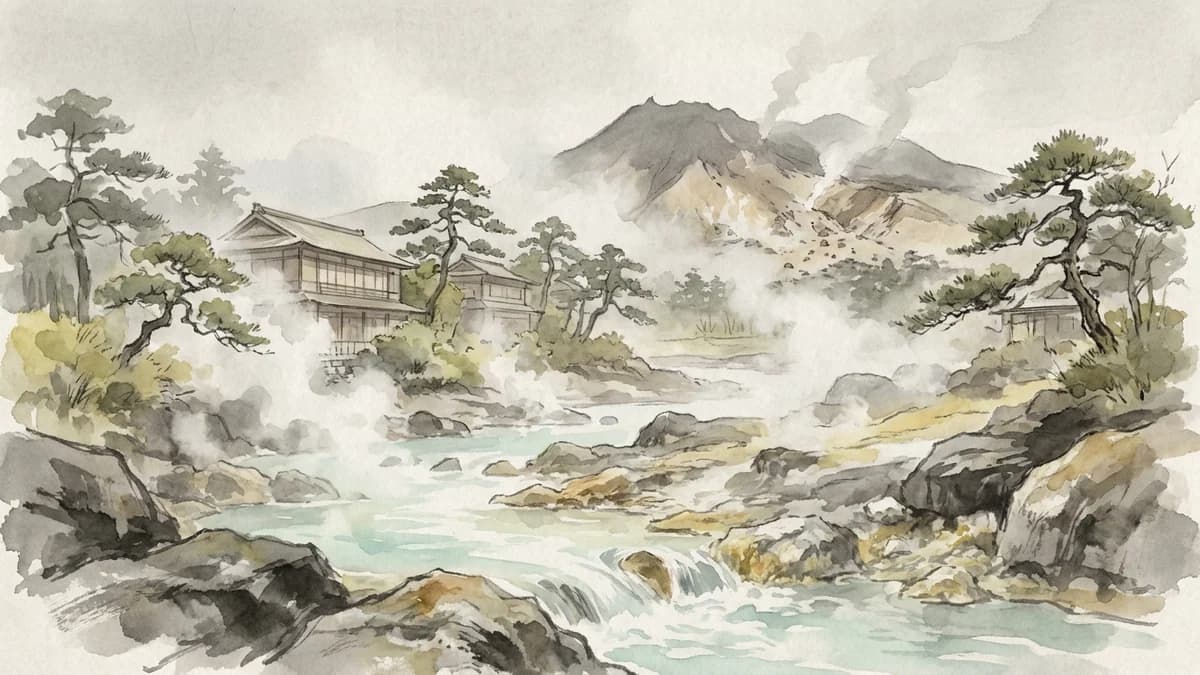
Yoroushi Onsen is known for its Chloride Spring; listed indications for this spring type include Skin Beauty, Wound Healing. Choose an inn by spring type, benefits and amenities, and book directly.
See inns in Yoroushi OnsenOn this page you can filter Yoroushi Onsen inns by spring type, benefits, tattoo-friendly, private bath and in-room open-air bath, and book on each property's Agoda or Rakuten page.
Compare & book inns in Yoroushi Onsen
Awaiting analysis(1)
Overview
The history of Yoroushi Onsen began in the Taisho era (1912-1926) when it was discovered by loggers. Its name is said to derive from the Ainu phrase "I-oro-ushi," meaning "a place to soak things," and it has long been a place for healing body and mind. Rather than a bustling onsen town, it's a quiet area with a few scattered inns, offering a charming, secluded atmosphere.
The area's greatest feature is its rich natural environment and the wildlife that inhabits it. It is particularly famous worldwide for the Blakiston's fish owl, a designated Natural Monument of Japan, which can be spotted on the grounds of the local inns. The experience of soaking in free-flowing spring water to the soundtrack of a babbling river and birdsong allows you to forget the city's hustle and find true peace.
Key Spring Types and Benefits
The waters of Yoroushi Onsen are primarily sodium/calcium-chloride/sulfate springs. The salt content forms a thin veil on the skin, preventing body heat from escaping, earning it the name "Netsu-no-yu" (warming bath). As it also contains sulfate, the water is gentle on the skin and leaves it feeling moisturized after bathing.
- CutsThe salt content in these chloride springs has a cleansing effect on the skin. The mineral film that forms on the surface after bathing may also help to protect minor cuts and support the natural healing process.
- Peripheral circulatory disordersAs a chloride spring, the water is known as a "water of heat" (熱の湯). Its salt content creates a veil on the skin that improves heat retention, which may in turn promote better blood circulation to the body's extremities.
- Sensitivity to coldThe spring's high salt content forms a coating on the skin that prevents sweat from evaporating, thus retaining body heat. This sustained warming effect from the body's core makes it difficult to feel a post-bath chill, which is ideal for those sensitive to cold.
- Dry skinThe mineral components, particularly salt, form a thin film on the skin's surface. This barrier helps to lock in the skin's natural moisture and prevent it from evaporating, which may help to hydrate and relieve dryness.
- Rheumatoid arthritis
Water Characteristics and Best Season
Many inns offer "gensen kakenagashi," where the water flows directly from the source, thanks to the abundant supply. The spring temperatures range from 40-68°C (104-154°F) but are adjusted to a comfortable temperature at each facility. The water is clear and colorless with a slightly salty taste.
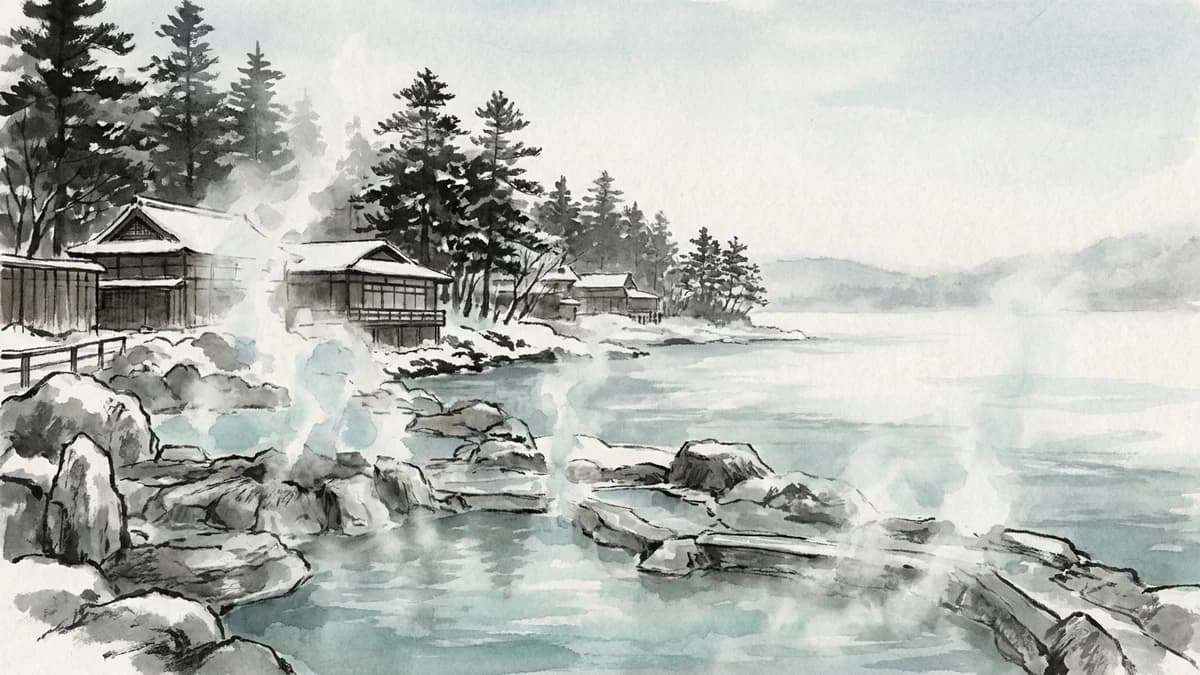
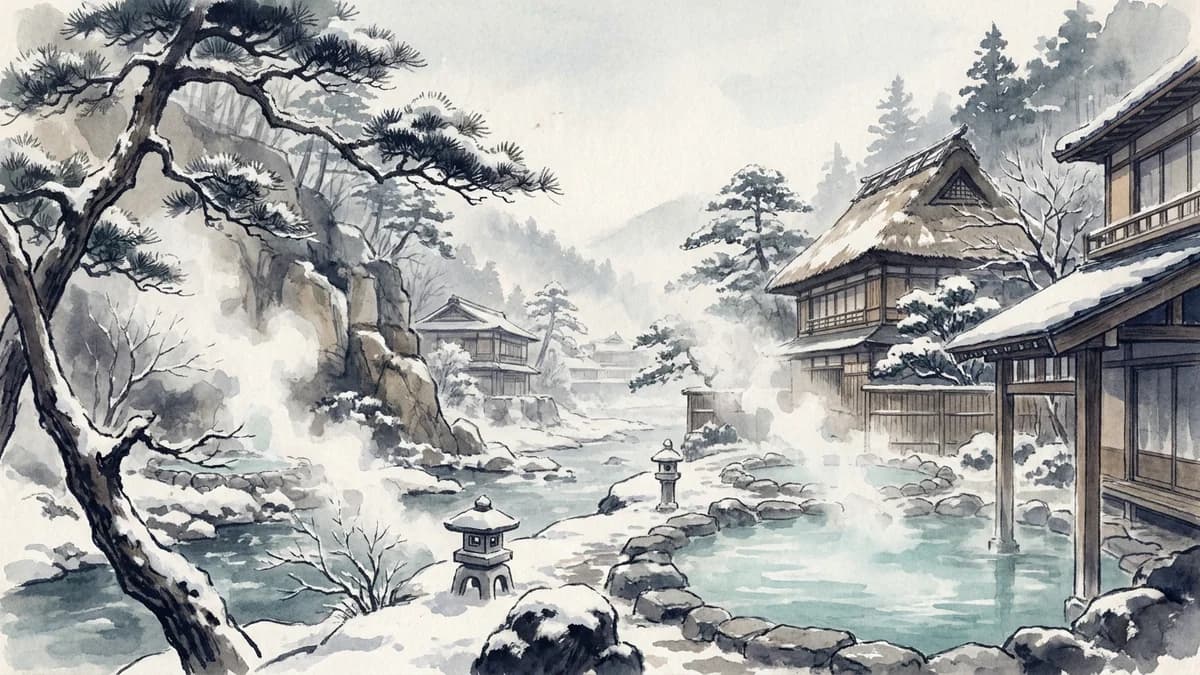
Early to late summer offers refreshing soaks amidst lush greenery, while winter provides exceptional open-air bathing with views of the snowy landscape. Winter especially increases the chances of encountering wild Blakiston's fish owls and Ezo deer, creating a magical experience. It's a destination where you can feel the majestic seasonal changes of Eastern Hokkaido all year round.
Access
Nearby Sights & Local Cuisine
- Blakiston's fish owl watching (at observation huts in inns)
- Ura-Mashu Observatory (Rear Lake Mashu)
- Kaminokoike Pond (Pond of God's Child)
- Kaiyodai Observatory (360-degree panoramic view)
- Notsuke Peninsula and Todowara (withered pine forest)
- Farms in Nakashibetsu (fresh milk and soft-serve ice cream)
- Shibetsu Salmon Science Museum
MORE WITH THE SAME SPRING TYPE
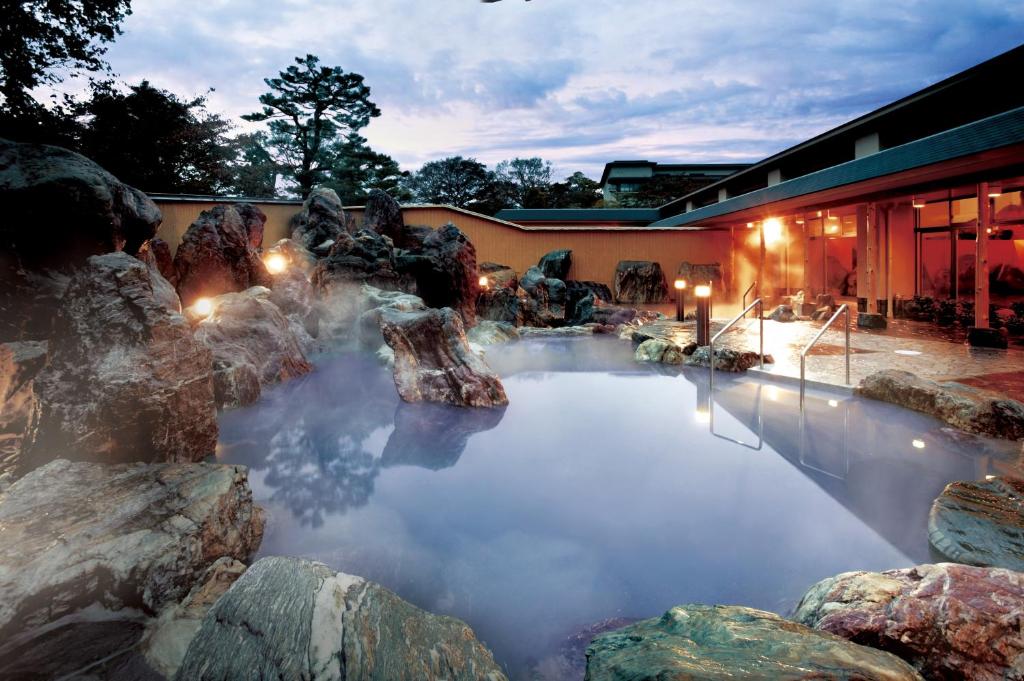
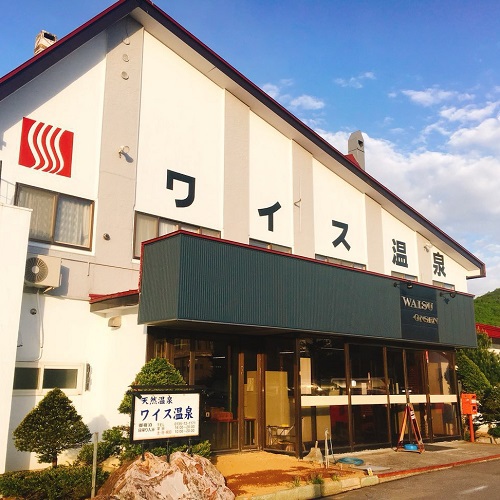
Loved the Chloride Spring of Yoroushi Onsen? Try these too
Picked from onsen across Japan where you can enjoy the same Chloride Spring.





Q & A
Frequently Asked Questions
Tap any question to expand the answer
Can I narrow down to only inns with a hot-spring analysis in Yoroushi Onsen?
Can I find tattoo-friendly inns with private baths or in-room open-air baths in Yoroushi Onsen?
Onsen towns are often rural with patchy Wi-Fi and limited public transport. Sort out data, tours and a car before you go.
- Japan eSIMAiralo
- Japan eSIMYesim
- Tours, passes & transfersGetYourGuide
- Tours, passes & transfersKKday
- Car rentalDiscover Cars
Includes affiliate links
References
Famous Onsen Areas with Chloride Spring
Check access and tourist information on each onsen area column
Related Articles