Yunomine Onsen is known for its Sulfur Spring; listed indications for this spring type include Dry Skin / Atopy, Asthma. Choose an inn by spring type, benefits and amenities, and book directly.
See inns in Yunomine OnsenOn this page you can filter Yunomine Onsen inns by spring type, benefits, tattoo-friendly, private bath and in-room open-air bath, and book on each property's Agoda or Rakuten page.
Compare & book inns in Yunomine Onsen
Awaiting analysis(8)
Overview
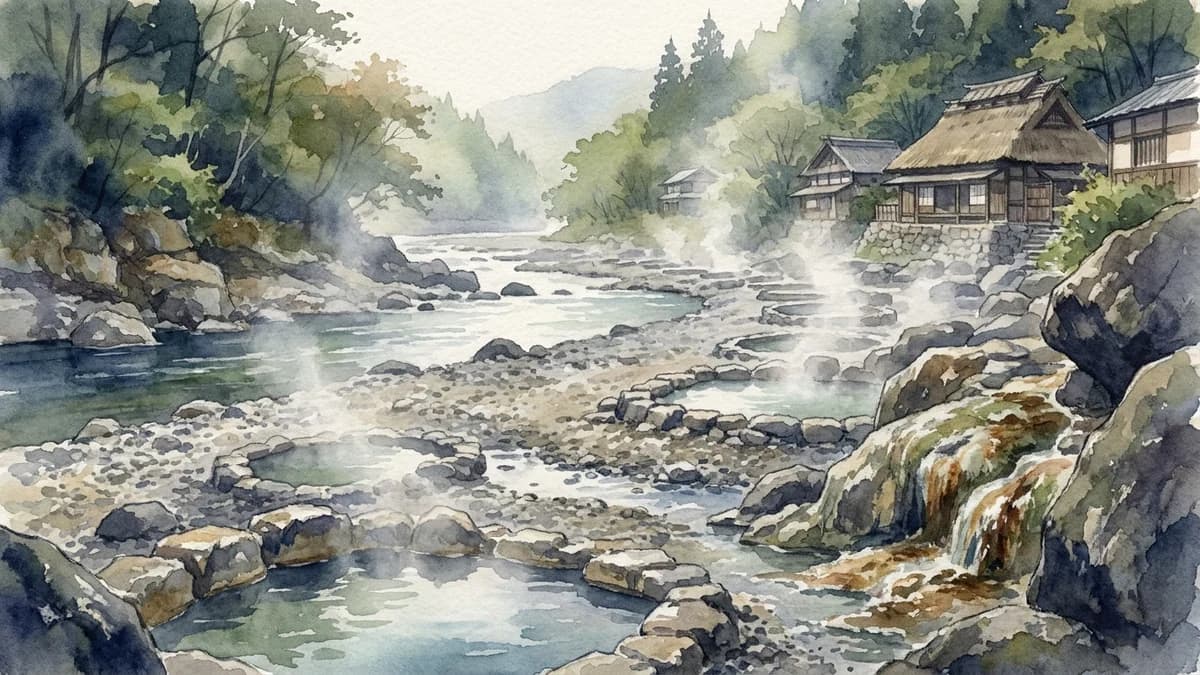
Yunomine Onsen, said to have been discovered around 1,800 years ago, is one of Japan's most ancient hot springs. It has long served as a sacred site where pilgrims on their way to the Kumano Sanzan grand shrines would perform 'yugori'—a ritual of purification and rest in hot water. Uniquely, the entire onsen town is part of the UNESCO World Heritage site "Sacred Sites and Pilgrimage Routes in the Kii Mountain Range."
At the heart of the town is 'Tsuboyu,' a small, one-person bath carved out of natural rock, famous for being a public bath registered as a World Heritage site. The water is said to change color seven times a day, captivating visitors with its mystical quality. This onsen is also the legendary setting for the revival of the folk hero Oguri Hangan, and its rich history permeates the steamy air.
Primary Spring Qualities & Benefits
The water is a 'sulfur-containing sodium bicarbonate spring,' characterized by a distinct sulfur aroma. It is known as a 'bijin-no-yu' (beauty-enhancing water) because the sulfur component helps soften the skin's outer layer, while the bicarbonate acts like soap to cleanse and smooth the skin. The water is also potable and is believed to aid digestive function.
- Poor gastrointestinal function
- Rheumatoid arthritisThe sulfur content in the water is said to promote blood circulation, and chronic joint pain and stiffness, as in rheumatoid arthritis, are listed among the general indications for bathing.
- Impaired glucose tolerance (Diabetes)This is listed as a potential benefit, particularly when drinking the water as prescribed. The minerals may help support the body's metabolic functions, which can be beneficial for managing blood sugar levels.
- Atopic dermatitis
- CutsThe spring's sulfur components are said to have natural disinfectant properties. Soaking in the water may help to cleanse minor wounds and support the body's natural healing process.
- Sensitivity to cold
Water Characteristics & Best Season
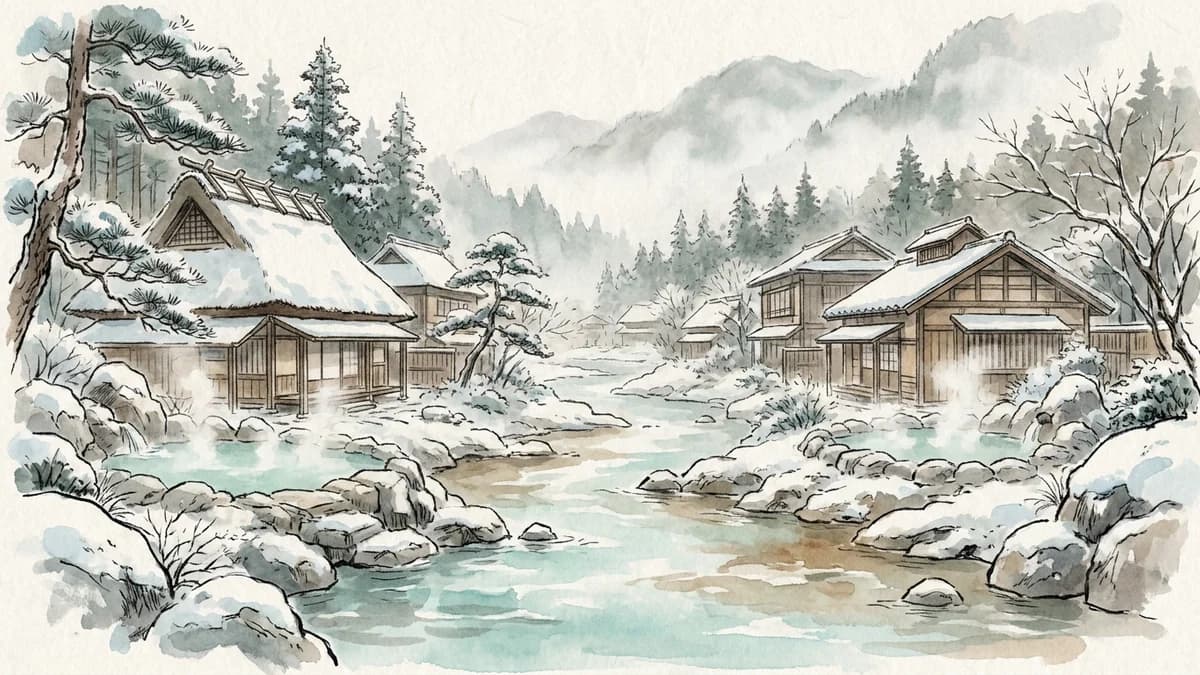
The source temperature is extremely high at about 92°C (198°F), with an abundant flow. As a result, many inns and public baths offer 'gensen kakenagashi' (free-flowing) hot spring water. A unique feature of Yunomine's water is that its color can change from milky white to clear depending on the weather and flow rate. Spring (March-May) and autumn (September-November) are ideal for combining a visit with a hike on the Kumano Kodo. Winter offers a quieter atmosphere for a focused balneotherapy retreat.
Nearby Attractions & Local Cuisine
- Kumano Hongu Taisha Grand Shrine: The center of the Kumano Sanzan, within walking distance.
- Kumano Kodo (Dainichi-goe Route): A 3.4km trail connecting Yunomine Onsen and the shrine.
- Tsuboyu Bath: The famous World Heritage public bath.
- Kawayu Onsen: Dig into the riverbed to create your own onsen. Features the giant 'Sennin-buro' bath in winter.
- Dorokyo Gorge: Enjoy the stunning cliff-lined valley on a water jet boat tour.
- Mehari-zushi: Rice balls wrapped in pickled takana mustard leaves, a local specialty.
- Onsen-gayu & Onsen Tamago: Rice porridge and eggs cooked in the hot spring's steam and heat.
- Kumano Beef: A brand of beef known for its fine texture and rich flavor.
MORE WITH THE SAME SPRING TYPE
Loved the Sulphur Spring of Yunomine Onsen? Try these too
Picked from onsen across Japan where you can enjoy the same Sulphur Spring.




Q & A
Frequently Asked Questions
Tap any question to expand the answer
Can I narrow down to only inns with a hot-spring analysis in Yunomine Onsen?
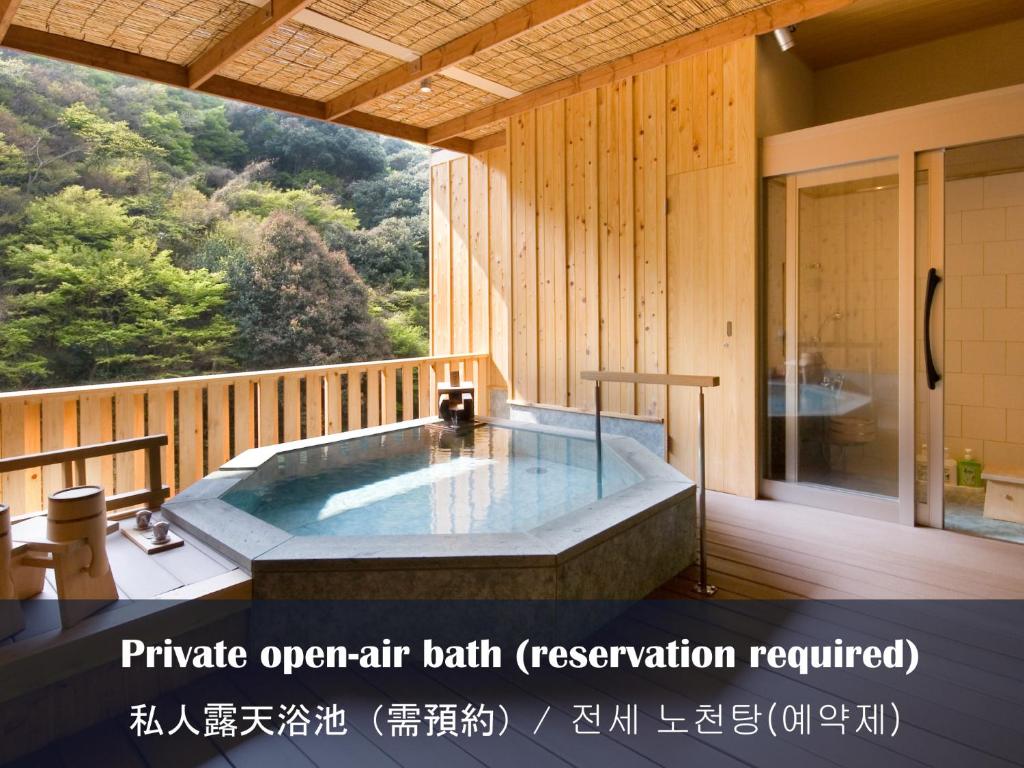
Can I find tattoo-friendly inns with private baths or in-room open-air baths in Yunomine Onsen?
Onsen towns are often rural with patchy Wi-Fi and limited public transport. Sort out data, tours and a car before you go.
- Japan eSIMAiralo
- Japan eSIMYesim
- Tours, passes & transfersGetYourGuide
- Tours, passes & transfersKKday
- Car rentalDiscover Cars
Includes affiliate links
References
Famous Onsen Areas with Sulphur Spring
Check access and tourist information on each onsen area column
Related Articles