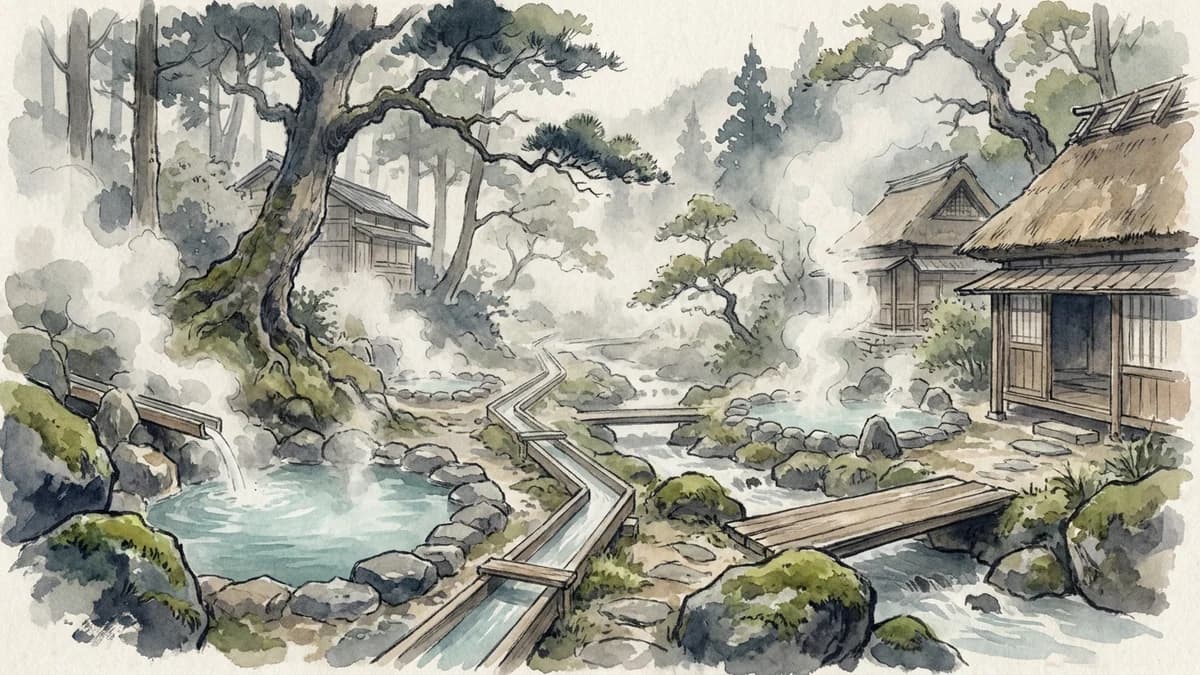
Shirahama Onsen is known for its Chloride Spring; listed indications for this spring type include Skin Beauty, Wound Healing. Choose an inn by spring type, benefits and amenities, and book directly.
See inns in Shirahama OnsenOn this page you can filter Shirahama Onsen inns by spring type, benefits, tattoo-friendly, private bath and in-room open-air bath, and book on each property's Agoda or Rakuten page.
Compare & book inns in Shirahama Onsen
Awaiting analysis(19)
Overview
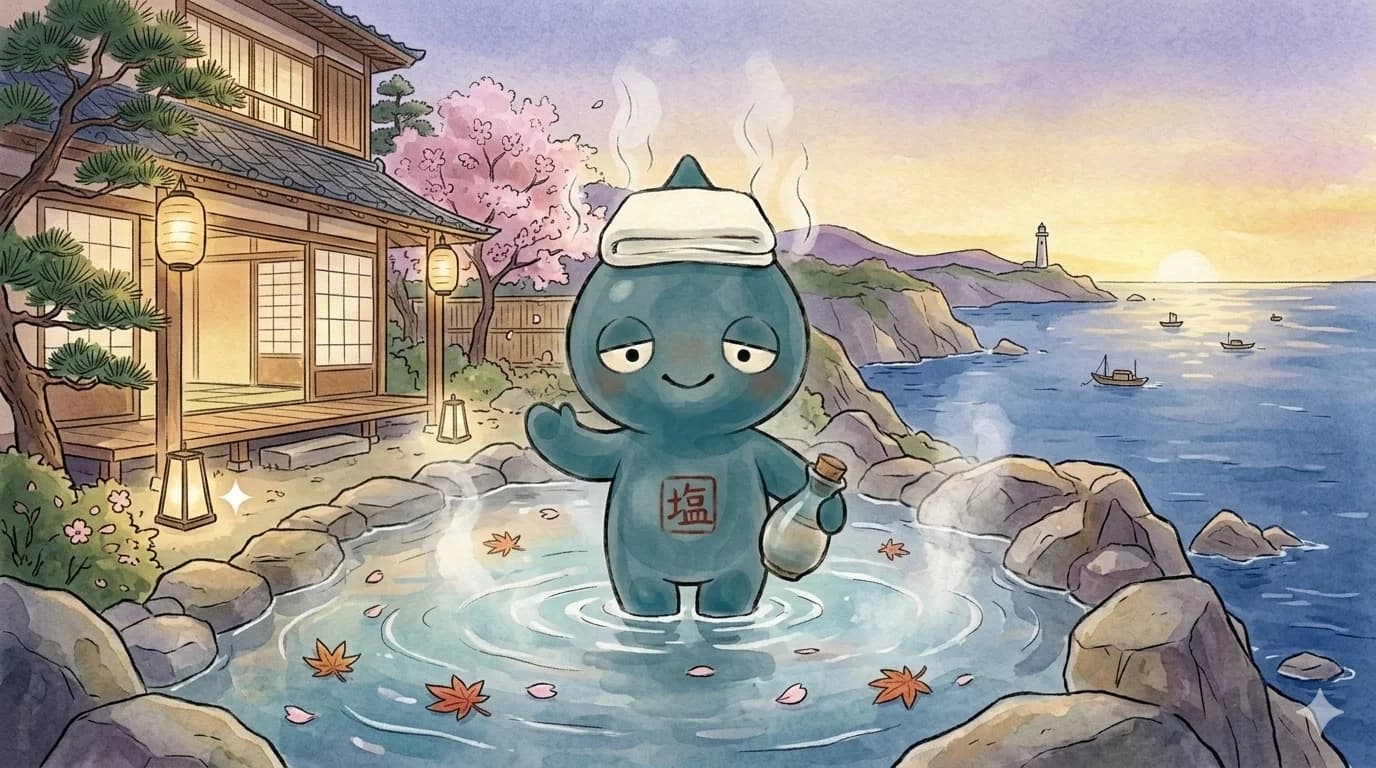
Mentioned in the ancient chronicles Nihon Shoki and Man'yoshu, Shirahama stands alongside Arima and Dogo as one of Japan's Three Ancient Hot Springs. Once known as "Muro-no-yu," it has been a cherished destination for emperors and courtiers for balneotherapy since the Asuka and Nara periods.
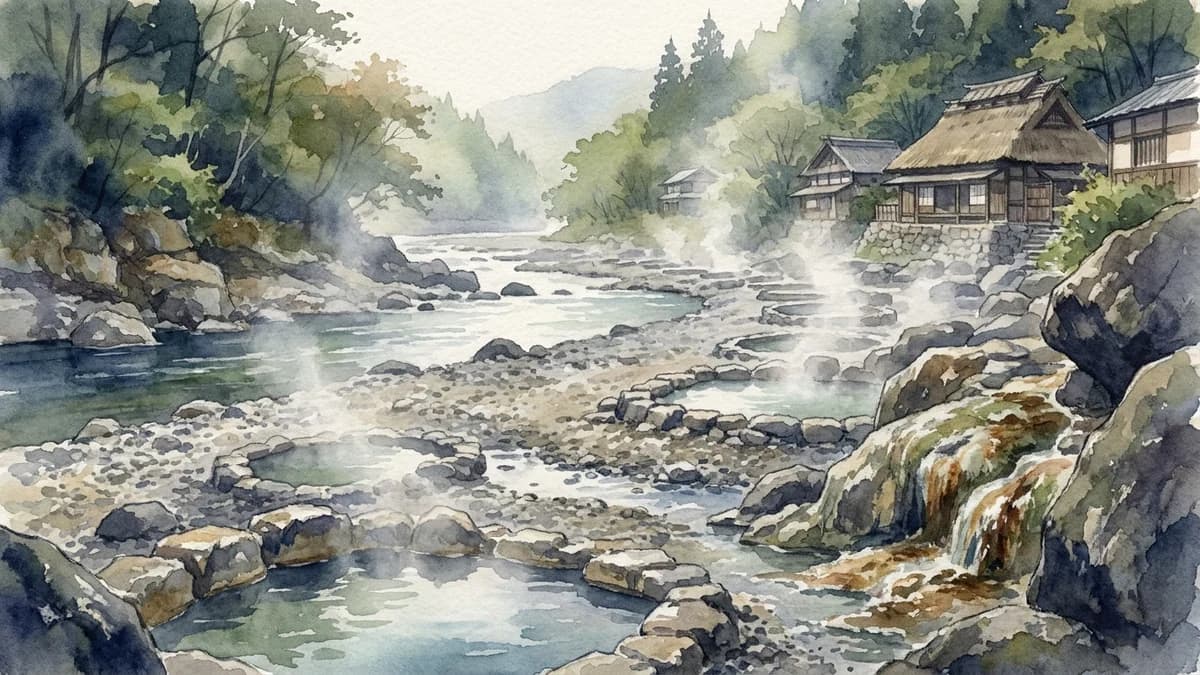
A key feature is the variety of hot spring sources scattered along the coast, perfect for onsen-hopping. The area has evolved into a leading Japanese resort, offering everything from modern hotels to traditional ryokan inns. Its beautiful Shirarahama Beach, with its pure white sand, throngs with beachgoers in summer.
Main Spring Types & Benefits
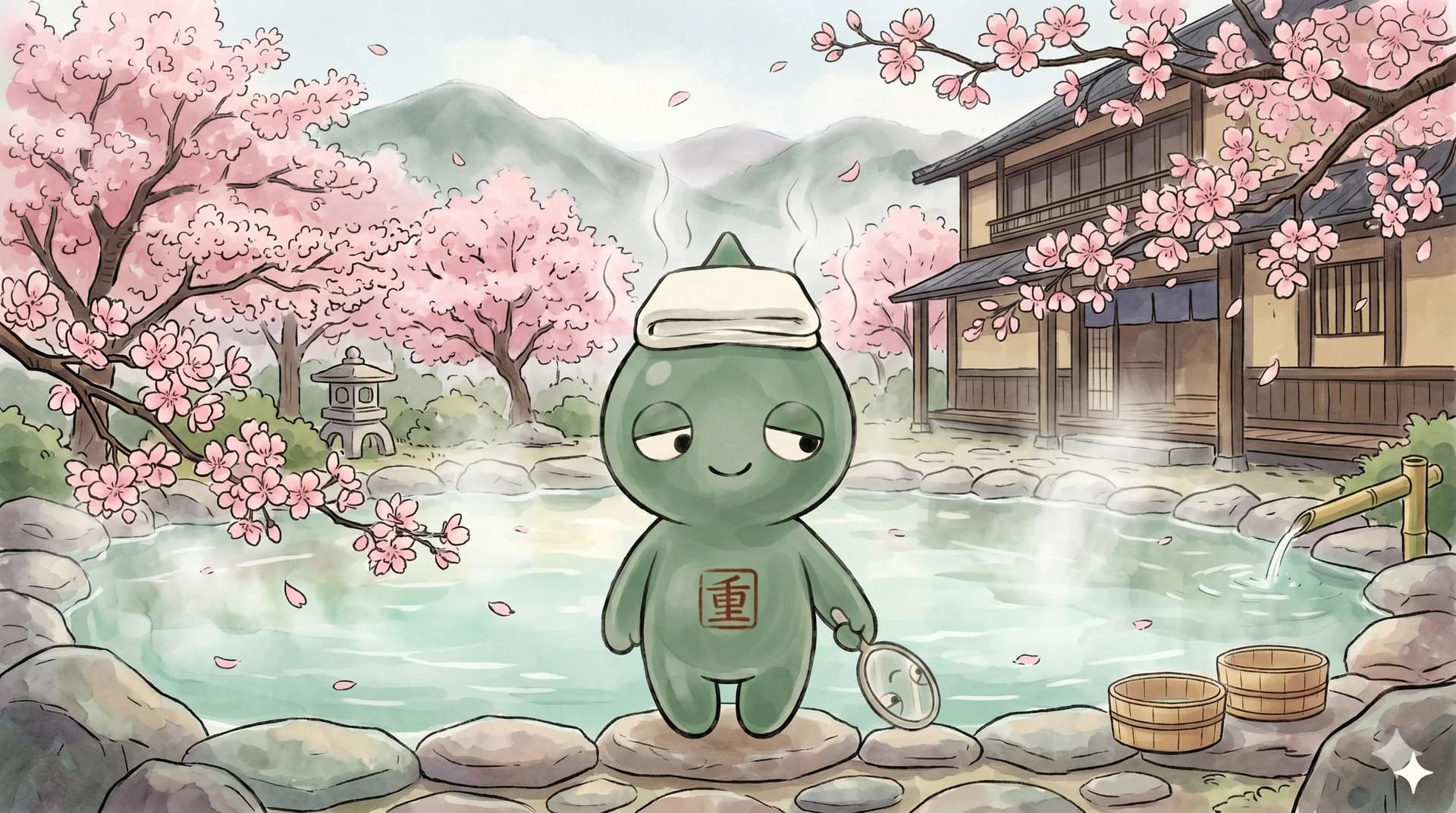
Shirahama's primary waters are salt-rich "Chloride springs" (塩化物泉) and skin-smoothing "Bicarbonate springs" (炭酸水素塩泉). Chloride springs are known for a lasting warming effect that prevents post-bath chills. Bicarbonate springs, often called "waters for beautiful skin," are said to cleanse the skin by washing away old cells and impurities, leaving it feeling smooth.
- CutsThe salt content in chloride springs, common in Shirahama, is said to have disinfecting properties that help cleanse minor wounds, and cuts are listed among the indications for chloride springs. The mineral-rich water may also aid in the recovery of small skin abrasions.
- Sensitivity to coldThis condition is often addressed by the heat-retaining properties of Shirahama's chloride springs. The salt in the water forms a thin layer on the skin, which prevents post-bath chills and helps the body stay warm. This lasting effect may alleviate a persistent feeling of coldness.
- Dry skinShirahama's waters, particularly the bicarbonate springs, are known as "waters for beautiful skin" for their ability to soften and smooth the skin. Additionally, the salt from chloride springs forms a moisturizing veil that helps prevent the skin from drying out after your bath.
- Rheumatoid arthritis
- Gastrointestinal hypofunction
Water Characteristics & Best Season
With numerous sources and an abundant flow, many facilities offer fresh, free-flowing hot springs (kakenagashi). Water temperatures vary widely from 32°C to 85°C. The mild climate makes it a pleasant year-round destination, but summer is great for swimming, while autumn and winter offer spectacular sunset views over Engetsu Island.
Access
Nearby Sightseeing & Local Cuisine
- Shirarahama Beach: A beautiful beach with pure white sand.
- Engetsu Island: A scenic spot famous for its stunning sunsets.
- Sandanbeki Cliffs: A dramatic 50-meter-high cliff face.
- Senjojiki Rock Formations: A vast, multi-tiered rock plateau by the sea.
- Adventure World: A theme park famous for its giant pandas.
- Tore Tore Market Nanki Shirahama: A bustling market for fresh seafood.
- Saki-no-yu: A historic open-air bath right on the Pacific Ocean.
- Local Delicacy: Kue (Longtooth Grouper), a luxury fish best enjoyed in winter.
MORE WITH THE SAME SPRING TYPE
Loved the Chloride Spring of Shirahama Onsen? Try these too
Picked from onsen across Japan where you can enjoy the same Chloride Spring.




Q & A
Frequently Asked Questions
Tap any question to expand the answer
Can I narrow down to only inns with a hot-spring analysis in Shirahama Onsen?
Can I find tattoo-friendly inns with private baths or in-room open-air baths in Shirahama Onsen?
Onsen towns are often rural with patchy Wi-Fi and limited public transport. Sort out data, tours and a car before you go.
- Japan eSIMAiralo
- Japan eSIMYesim
- Tours, passes & transfersGetYourGuide
- Tours, passes & transfersKKday
- Car rentalDiscover Cars
Includes affiliate links
References
Famous Onsen Areas with Chloride Spring
Check access and tourist information on each onsen area column
Related Articles