Misasa Onsen is known for its Radioactive Spring; listed indications for this spring type include Nerve & Joint Pain, Rheumatism. Choose from 2 inns with a hot-spring analysis on file, filtering by spring type, benefits and amenities, and book directly.
See inns in Misasa OnsenOn this page you can filter Misasa Onsen inns by spring type, benefits, tattoo-friendly, private bath and in-room open-air bath, and book on each property's Agoda or Rakuten page.
Compare & book inns in Misasa Onsen


Awaiting analysis(8)
Overview
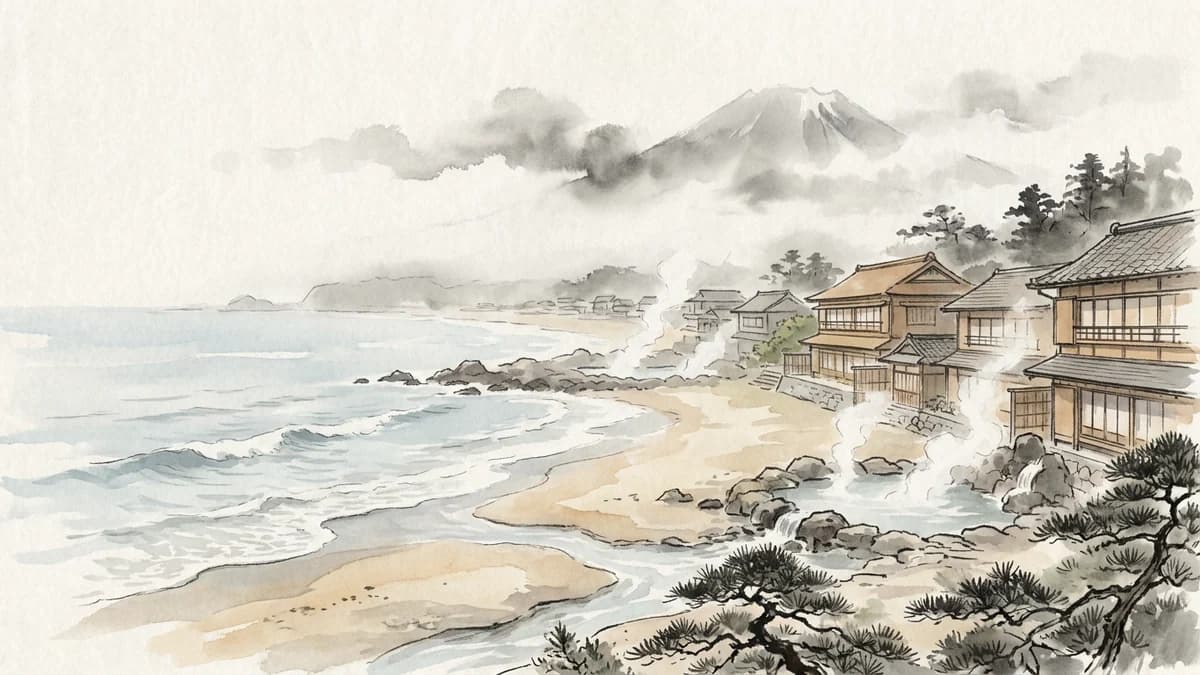
The discovery of Misasa Onsen dates back over 850 years to the Heian period. According to legend, the great monk Jikaku Daishi prayed to save people suffering from illness, and a white wolf appeared, guiding him to the source of the spring. This legend has earned it the nickname "Hot Spring of the White Wolf Legend."
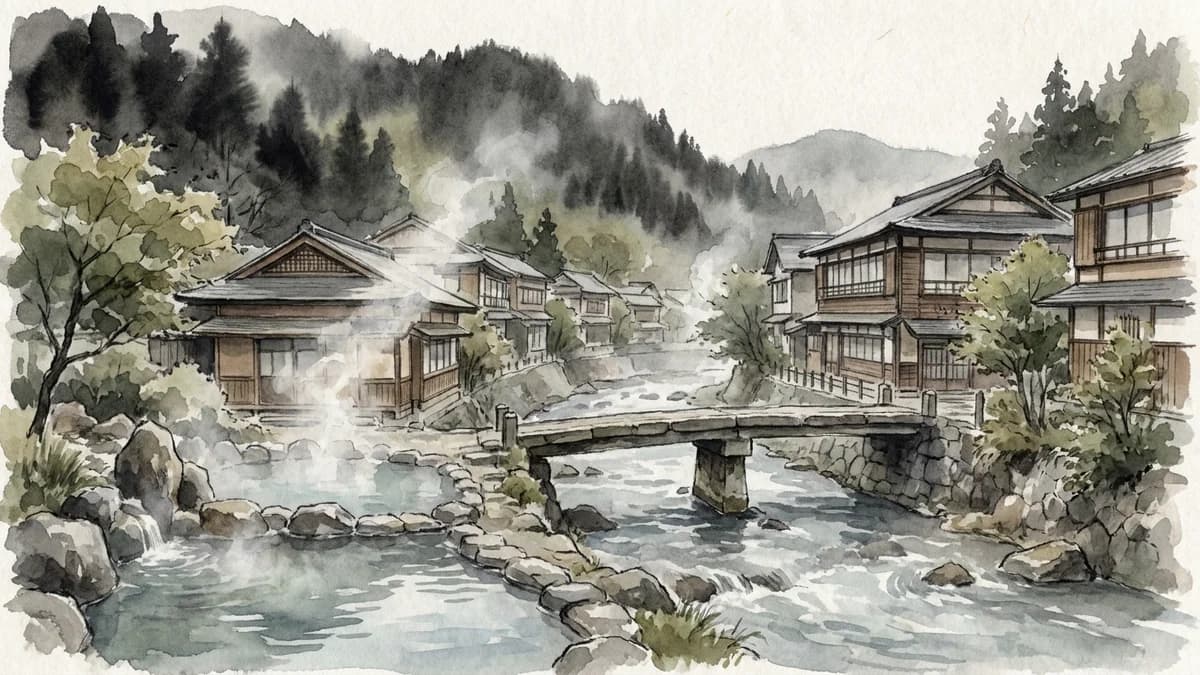
Charming traditional inns line the clear Mitoku River, and at the heart of the town lies the "Kawahara-buro," a mixed-gender open-air bath that is free for anyone to use. Furthermore, with a branch of Okayama University Hospital located here, the medicinal effects of the springs have long been a subject of scientific research, drawing attention to their therapeutic properties.
Primary Spring Type and Benefits
The most defining feature of Misasa Onsen is its radioactive spring, boasting one of the highest radon concentrations in the world. By absorbing radon through the skin while bathing, the digestive tract by drinking, and the lungs by inhaling the vapor, a "hormesis effect" is expected, which activates cells. This is thought to lead to immune system stimulation and pain relief.
- Gout (hyperuricemia)The spring's radon is traditionally associated with this condition, and hyperuricemia (gout) is listed among the indications for radioactive springs.
- Rheumatoid arthritisRheumatoid arthritis is listed among the indications for radioactive springs such as Misasa's radon-rich water.
- Ankylosing spondylitisAnkylosing spondylitis is listed among the indications for radioactive springs such as Misasa's radon-rich water.
- Gastrointestinal hypofunction
- High cholesterol
Water Characteristics & Best Season
The spring water is clear, colorless, and gentle on the skin, warming the body from its core. Many inns offer gensen-kakenagashi (free-flowing spring water), allowing you to enjoy the freshest water. Drinking fountains are also available in various locations, which are said to help regulate digestive functions.
Misasa Onsen can be enjoyed year-round, but autumn and winter are particularly recommended. In autumn, the surrounding mountains, including Mt. Mitoku, are colored with beautiful foliage. In winter, bathing while viewing the snowy landscape is exceptional, and savoring Matsuba crab, the king of winter delicacies from the Sea of Japan, is a major attraction.
Access
Nearby Sightseeing & Local Cuisine
- Sanbutsu-ji Temple Nageire-do Hall: A National Treasure hall built into a sheer cliff face.
- Kurayoshi White Wall Storehouses: A picturesque townscape from the Edo and Meiji periods along the Tamagawa River.
- Kawahara-buro: A 24-hour, free, mixed-gender open-air bath on the banks of the Mitoku River.
- Koitanibashi Bridge: A spot for finding love, decorated with statues of Kajika frogs.
- Onsen Hondori Shopping Street: A retro shopping street where you can enjoy target shooting games and strolling.
- Tochimochi: A local specialty of rice cake mixed with Japanese horse chestnut, known for its slightly bitter flavor.
- Winter Matsuba Crab: In season from November to March. Enjoy it as sashimi, grilled, or in a hot pot.
- 20th Century Pears (Nijisseiki Nashi): A juicy pear representing Tottori Prefecture. Many related sweets are available.
MORE WITH THE SAME SPRING TYPE
Loved the Radioactive Spring of Misasa Onsen? Try these too
Picked from onsen across Japan where you can enjoy the same Radioactive Spring.



Q & A
Frequently Asked Questions
Tap any question to expand the answer
Can I narrow down to only inns with a hot-spring analysis in Misasa Onsen?
Can I find tattoo-friendly inns with private baths or in-room open-air baths in Misasa Onsen?
Onsen towns are often rural with patchy Wi-Fi and limited public transport. Sort out data, tours and a car before you go.
- Japan eSIMAiralo
- Japan eSIMYesim
- Tours, passes & transfersGetYourGuide
- Tours, passes & transfersKKday
- Car rentalDiscover Cars
Includes affiliate links
References
Famous Onsen Areas with Radioactive Spring
Check access and tourist information on each onsen area column
Related Articles