Yuki Onsen is known for its Radioactive Spring; listed indications for this spring type include Nerve & Joint Pain, Rheumatism. Choose an inn by spring type, benefits and amenities, and book directly.
See inns in Yuki OnsenOn this page you can filter Yuki Onsen inns by spring type, benefits, tattoo-friendly, private bath and in-room open-air bath, and book on each property's Agoda or Rakuten page.
Compare & book inns in Yuki Onsen
Awaiting analysis(3)
Overview
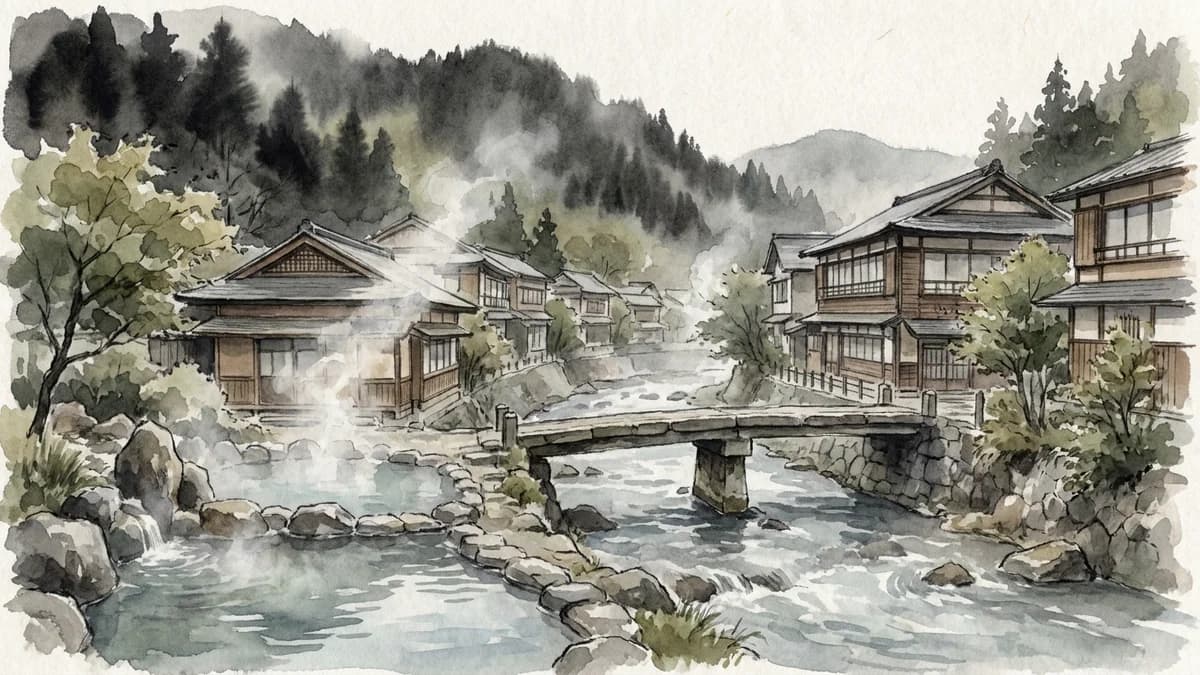
Yuki Onsen has a long history, with a legend dating back about 1,500 years about its discovery by a wounded white heron healing itself in the waters. During the Edo period, it became a favored therapeutic retreat for the lords of the Hiroshima domain, who established their own private baths here.
True to its name as 'Hiroshima's inner parlor,' the onsen's greatest appeal is its quiet location, nestled in the mountains away from the city's hustle and bustle. The environment, surrounded by rich nature, is perfect for those seeking to escape daily stress and achieve deep relaxation for both mind and body.
Spring Quality and Benefits
The water at Yuki Onsen is a simple, weakly radioactive spring containing trace amounts of radon. It is colorless, odorless, and gentle on the skin, making it less likely to cause fatigue from long soaks. This gentle water is believed to help stimulate the immune system and relieve pain, making it suitable for recuperation and rest.
- Gout (hyperuricemia)This condition is caused by high levels of uric acid in the blood, leading to joint inflammation. Gout (hyperuricemia) is listed among the bathing indications for radioactive (radon) springs such as these.
- Rheumatoid arthritisRheumatoid arthritis is listed among the indications for radioactive (radon) springs such as this one. The warmth of the water also promotes circulation and helps stiff muscles relax.
- Ankylosing spondylitisThis is a type of inflammatory arthritis that primarily affects the spine. Ankylosing spondylitis is listed among the indications for radioactive (radon) springs such as these.
- Autonomic instabilityThe gentle, low-stimulus nature of the water is said to help calm and rebalance the nervous system. The relaxing experience of bathing, combined with the water's properties, may help regulate functions like circulation and body temperature, easing instability.
- Insomnia
- Relieve pain
Water Characteristics & Best Season
The source temperature is relatively low, ranging from 26-34°C (79-93°F), so most facilities heat the water. This makes it ideal for long, leisurely soaks that warm you to the core. The soft, skin-friendly water can be enjoyed by everyone.
While Yuki Onsen is beautiful year-round with its changing gorge scenery, the best times to visit are spring (April-May) for the vibrant fresh greenery and autumn (late October-November) for the fiery fall foliage. You can enjoy the hot springs amidst stunning natural landscapes and crisp, clean air.
Access
Sightseeing & Local Cuisine
- Day trips or overnight stays at Yuki Lodge
- Rural activities at Yuki Exchange Experience Center (soba-making, konjac-making)
- Specialty konjac (konnyaku) dishes, including the local 'Komochi Konnyaku'
- Rich dairy products from Sadani Milk
- Hiking in the beautiful Ishigadani Gorge
- Grilled river fish like amago and yamame
- Fishing at the 'Yuki Tsuribori' fishing pond next to Yuki Lodge
MORE WITH THE SAME SPRING TYPE
Loved the Radioactive Spring of Yuki Onsen? Try these too
Picked from onsen across Japan where you can enjoy the same Radioactive Spring.


Q & A
Frequently Asked Questions
Tap any question to expand the answer
Can I narrow down to only inns with a hot-spring analysis in Yuki Onsen?
Can I find tattoo-friendly inns with private baths or in-room open-air baths in Yuki Onsen?
Onsen towns are often rural with patchy Wi-Fi and limited public transport. Sort out data, tours and a car before you go.
- Japan eSIMAiralo
- Japan eSIMYesim
- Tours, passes & transfersGetYourGuide
- Tours, passes & transfersKKday
- Car rentalDiscover Cars
Includes affiliate links
References
Famous Onsen Areas with Radioactive Spring
Check access and tourist information on each onsen area column
Related Articles