Shibu Onsen is known for its Chloride Spring; listed indications for this spring type include Skin Beauty, Wound Healing. Choose from 1 inns with a hot-spring analysis on file, filtering by spring type, benefits and amenities, and book directly.
See inns in Shibu OnsenOn this page you can filter Shibu Onsen inns by spring type, benefits, tattoo-friendly, private bath and in-room open-air bath, and book on each property's Agoda or Rakuten page.
Compare & book inns in Shibu Onsen

Awaiting analysis(30)
Overview
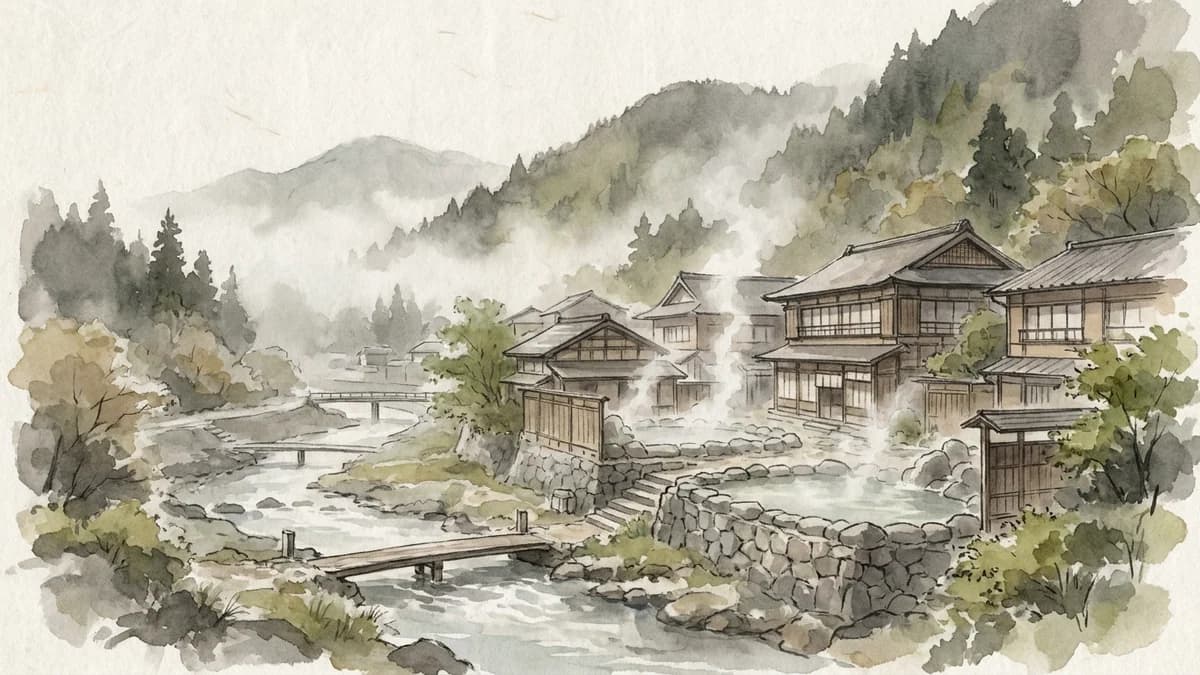
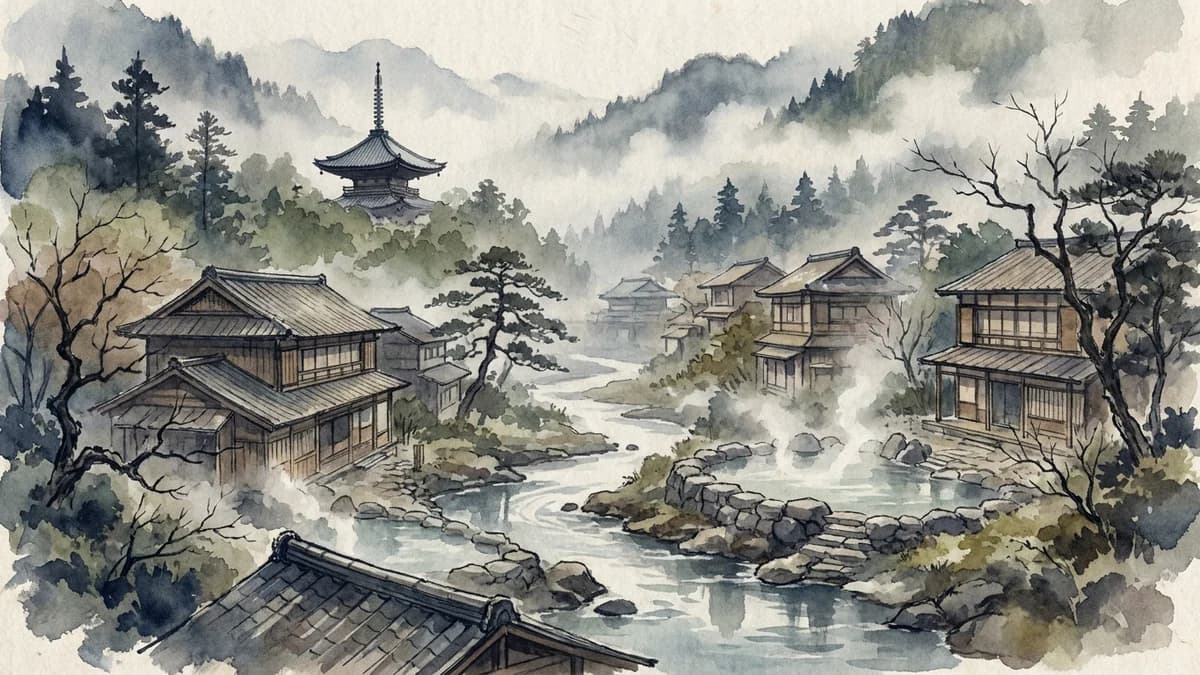
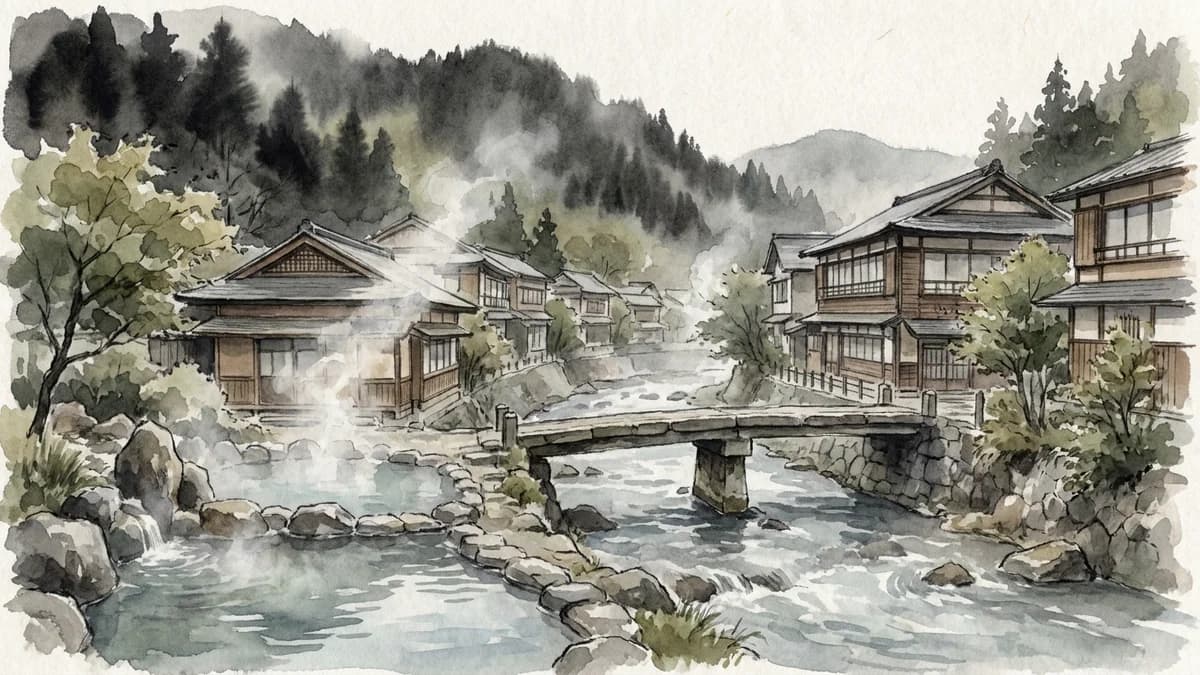
With a history of over 1,300 years, Shibu Onsen is said to have been discovered by the Buddhist monk Gyoki during the Nara period. Legend also holds that it served as a secret hot spring for the warlord Takeda Shingen, where his soldiers would heal their wounds. Along the Yokoyu River that flows through the town center, charming wooden ryokan (traditional inns) stand side by side.
The biggest draw of Shibu Onsen is the "Kyu-to Meguri," a privilege reserved for overnight guests. You can tour nine public bathhouses (soto-yu), each with its own unique mineral composition and therapeutic effects, while dressed in a traditional yukata and geta (wooden clogs). The clatter of geta on the stone pavement creates a wonderfully atmospheric experience, making you feel as if you've stepped back in time. This bath-hopping journey is a way to engage with traditional balneotherapy culture, which may help relieve pain and promote deep relaxation.
Signature Spring Types and Benefits
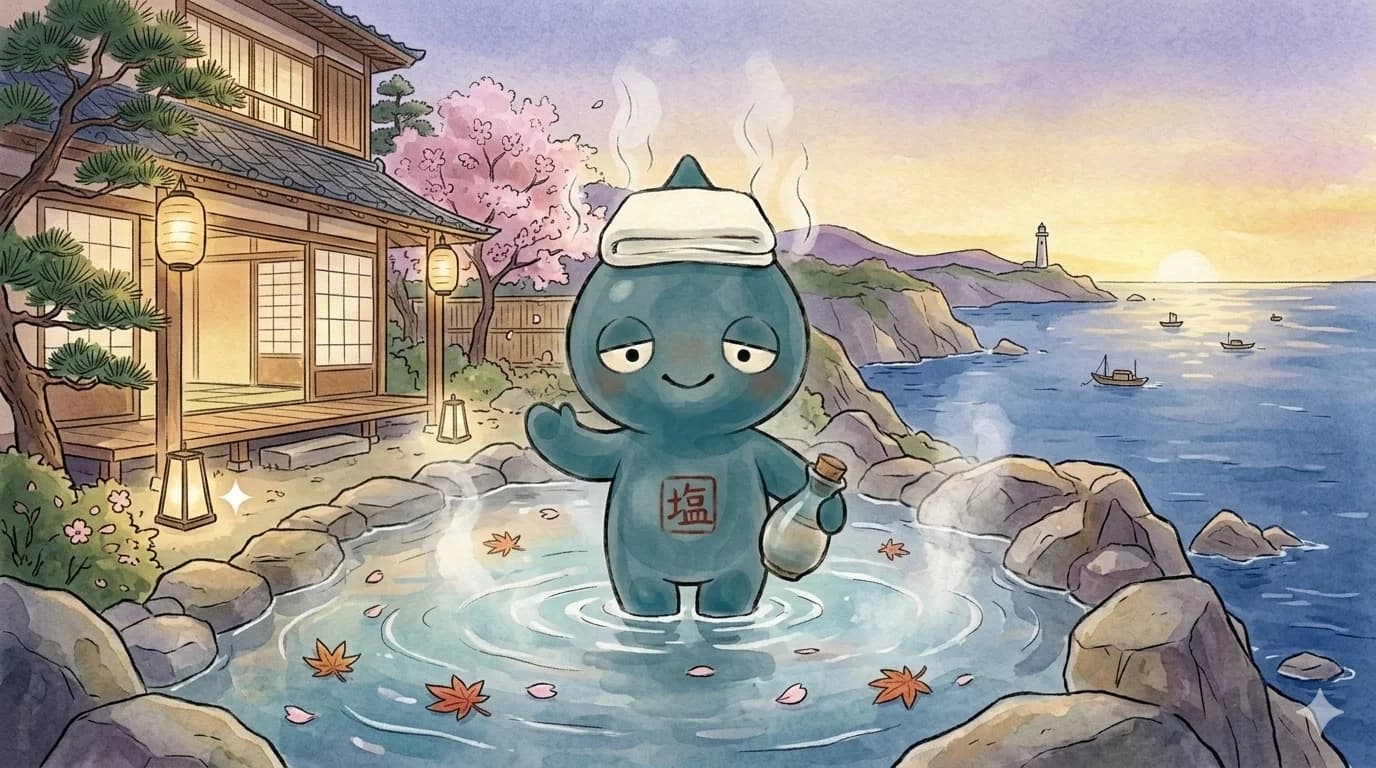
Shibu Onsen boasts a remarkable number of hot spring sources, allowing visitors to enjoy a variety of water types. Chloride and sulfate springs are particularly common. Chloride springs, known as "netsu-no-yu" (waters of heat), form a thin veil of salt on the skin that helps retain body heat. Sulfate springs are believed to have a calming effect and may help with pain relief, hypertension, and arteriosclerosis. Simple hot springs are gentle on the skin and suitable for everyone.
- CutsThe mineral components in the water, particularly those found in chloride springs, may help disinfect and promote the healing of minor scrapes and wounds. Soaking is also said to promote blood circulation.
- Poor peripheral circulation
- Sensitivity to coldThe salt components in chloride springs, common in Shibu, adhere to the skin and help prevent heat from escaping. This creates a lasting warming effect that may improve circulation and alleviate chronic feelings of coldness in the hands and feet.
- Dry skinThe sulfate springs found in the area are known for their moisturizing properties. The minerals in the water help the skin retain moisture, forming a protective layer that leaves the skin feeling supple, and dry skin is listed among the indications for sulfate springs.
- Rheumatoid arthritis
- Hypertension
- Arteriosclerosis
Water Characteristics & Best Season
Most of Shibu Onsen's sources are very hot, ranging from 60°C to 80°C (140°F to 176°F), and are used in a "gensen kakenagashi" style—meaning the water flows directly from the source without being recycled, heated, or artificially cooled (though some may be cooled with fresh water). The abundant flow ensures you are always soaking in fresh, pure water. Each of the nine public baths has a different source, allowing you to experience a range of colors and textures, from brownish, iron-rich water to clear, colorless springs.
The stone-paved streets are charming in any season, but autumn and winter are especially recommended. In autumn, the surrounding mountains are ablaze with fall colors, while in winter, a blanket of snow enhances the town's nostalgic atmosphere. Soaking in an outdoor bath while watching the snow fall is an exceptional experience. Summer is also pleasant as a cool mountain retreat.
Access
Nearby Attractions & Local Cuisine
- Jigokudani Monkey Park: World-famous for its Japanese macaques (snow monkeys) bathing in hot springs.
- Shiga Kogen Highlands: One of Japan's largest mountain resorts, for hiking in summer and skiing/snowboarding in winter.
- Obuse Town: A historic town associated with artist Katsushika Hokusai, famous for its chestnut sweets and dishes.
- Yudanaka Onsen: The neighboring hot spring town, featuring a rare train station with a hot spring bath inside.
- Shinshu Soba: Flavorful buckwheat noodles grown in the cool climate.
- Oyaki: Savory dumplings from Nagano, stuffed with vegetables or sweet bean paste.
- Onsen Manju: The classic sweet steamed bun, perfect for a snack while strolling through the onsen town.
MORE WITH THE SAME SPRING TYPE
Loved the Chloride Spring of Shibu Onsen? Try these too
Picked from onsen across Japan where you can enjoy the same Chloride Spring.


Q & A
Frequently Asked Questions
Tap any question to expand the answer
Can I narrow down to only inns with a hot-spring analysis in Shibu Onsen?
Can I find tattoo-friendly inns with private baths or in-room open-air baths in Shibu Onsen?
Onsen towns are often rural with patchy Wi-Fi and limited public transport. Sort out data, tours and a car before you go.
- Japan eSIMAiralo
- Japan eSIMYesim
- Tours, passes & transfersGetYourGuide
- Tours, passes & transfersKKday
- Car rentalDiscover Cars
Includes affiliate links
References
Famous Onsen Areas with Chloride Spring
Check access and tourist information on each onsen area column
Related Articles