Why Do Tattoo Bans Exist?
In Japan, tattoos have historically been associated with organised crime (yakuza). To maintain a safe and comfortable environment for all guests, many facilities introduced bans. As international tourism has grown, however, an increasing number of onsen have begun relaxing or differentiating their policies — recognising that tattoos carry very different cultural meanings around the world.
How to Enjoy Onsen with Tattoos
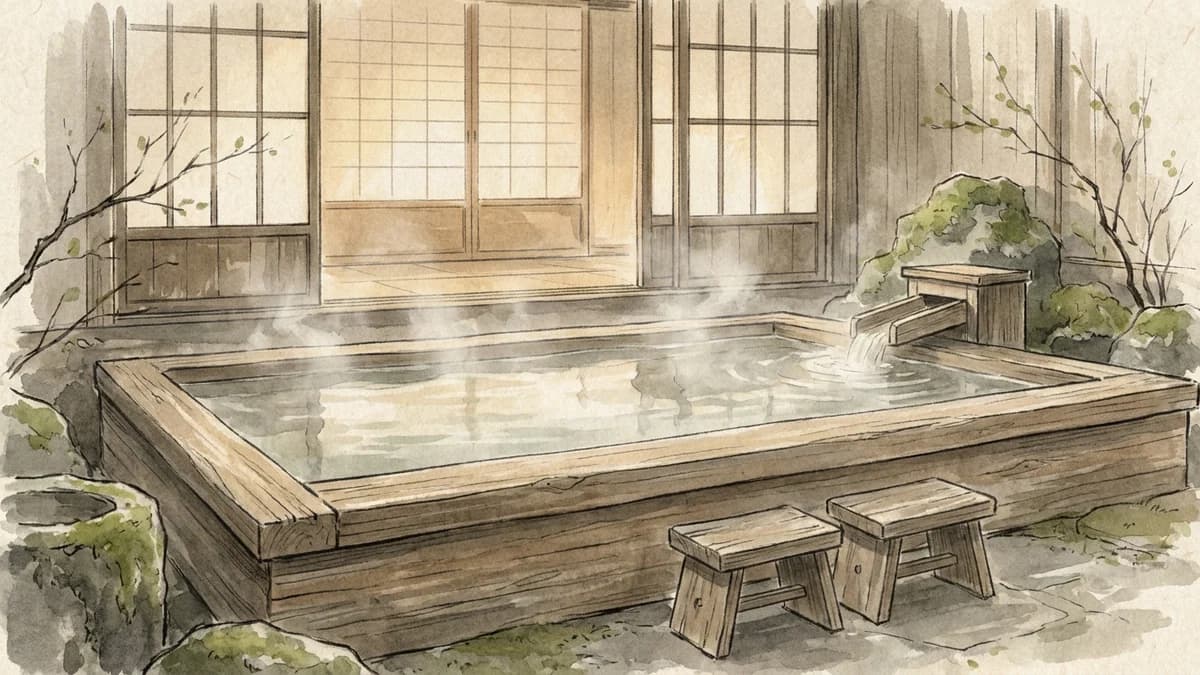
- Book a private bath (kashikiri-buro / family bath): These are not shared with other guests, so tattoo policies typically do not applyMany onsen facilities offer private baths that can be reserved by the hour for individuals, couples, or families. Since these spaces are not communal, tattoo restrictions are generally waived, allowing you to enjoy the hot spring water without any concern. This is a great option for guaranteed privacy.
- Search for tattoo-friendly facilities: Many international resort hotels explicitly welcome guests with tattoos — check the facility website or booking platform filtersWith the rise in international tourism, a growing number of onsen, particularly larger resort hotels, have updated their policies to welcome guests with tattoos. It is best to check the official website or use filters on booking sites to find these "tattoo-friendly" locations before you go.
- Cover small tattoos with waterproof patches: Some facilities allow entry if tattoos are covered with waterproof skin-tone patches (palm-sized or smaller tattoos may not require any covering at some facilities)If you have smaller tattoos, some establishments will permit you to enter the communal baths as long as they are completely covered by a waterproof seal or patch. Policies vary, with some places even allowing small, palm-sized tattoos without any cover at all. These patches are often sold at convenience stores in Japan.
- Ask about off-peak bathing hours: Some facilities will suggest quieter times when fewer families are present — worth asking when bookingEven at facilities with a general "no tattoo" policy, the staff may be willing to accommodate you if you ask. They might suggest bathing during late-night or early-morning hours when the baths are less crowded. This discreet approach can sometimes be a simple and effective solution.
- Confirm before you arrive: Contact the facility directly by phone or email — this is the most reliable way to avoid misunderstandingsOnsen tattoo policies can differ greatly and change over time, so information found online may not always be current. To avoid any disappointment or awkwardness upon arrival, the most reliable method is to contact the onsen directly by phone or email to confirm their specific rules.
TATTOO FRIENDLY
Tattoo-friendly Onsen Facilities
Facilities that either allow tattoos directly, or offer private (kashikiri) baths / in-room open-air baths so you can bathe without sharing space. Use the filters to narrow down.
Filter on the map & list
Filter onsen by tattoo-friendly policy, private (kashikiri) bath and in-room open-air bath — straight from the map or list.





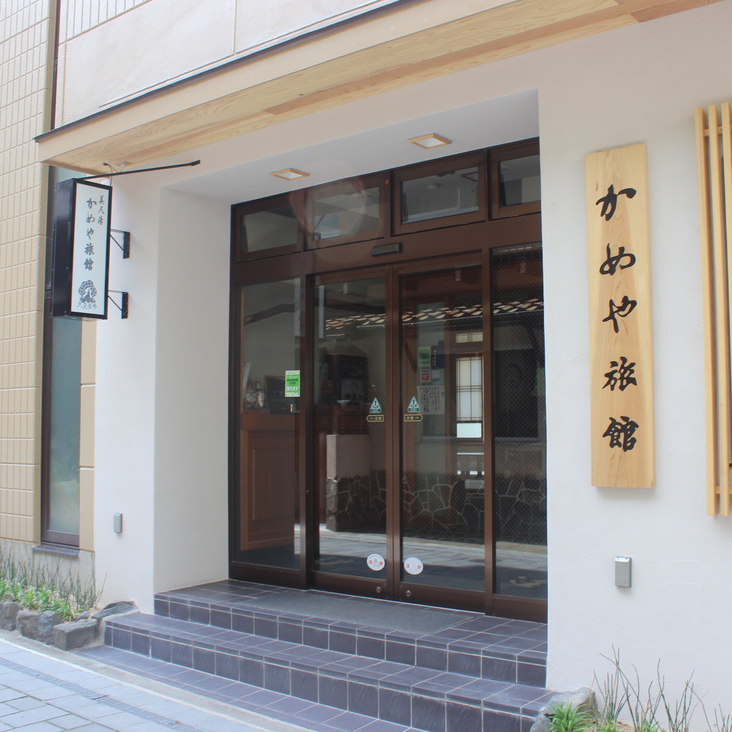

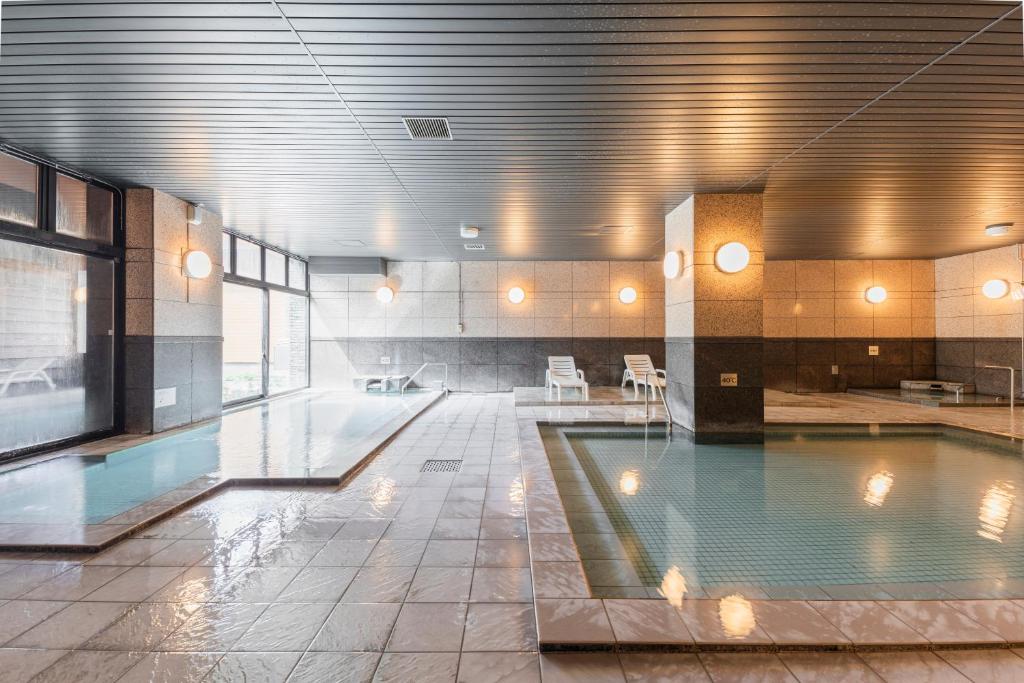
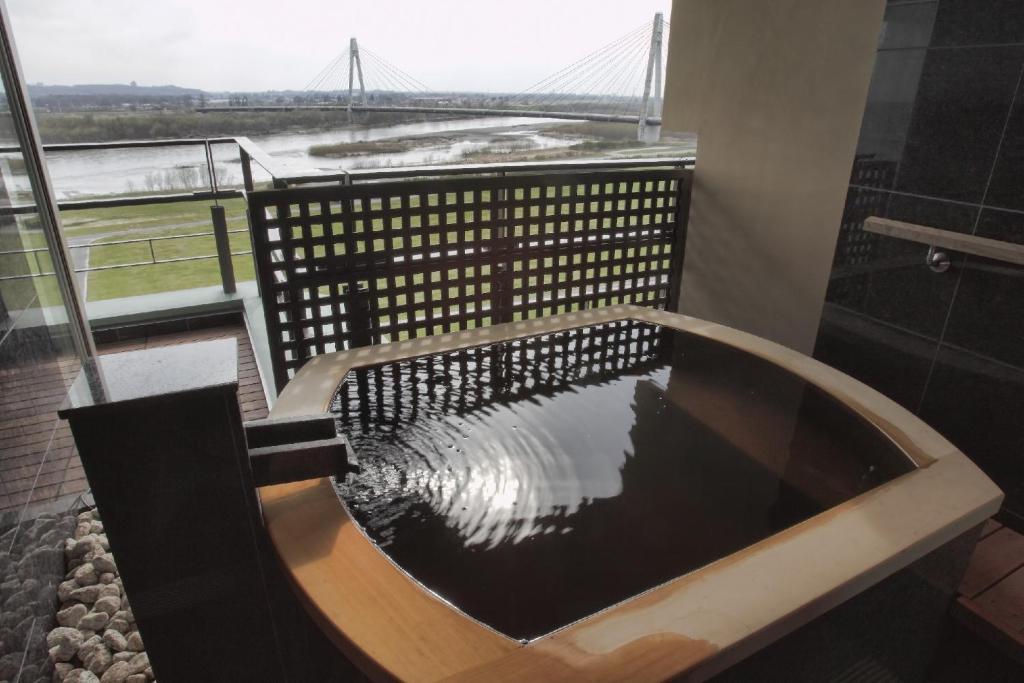


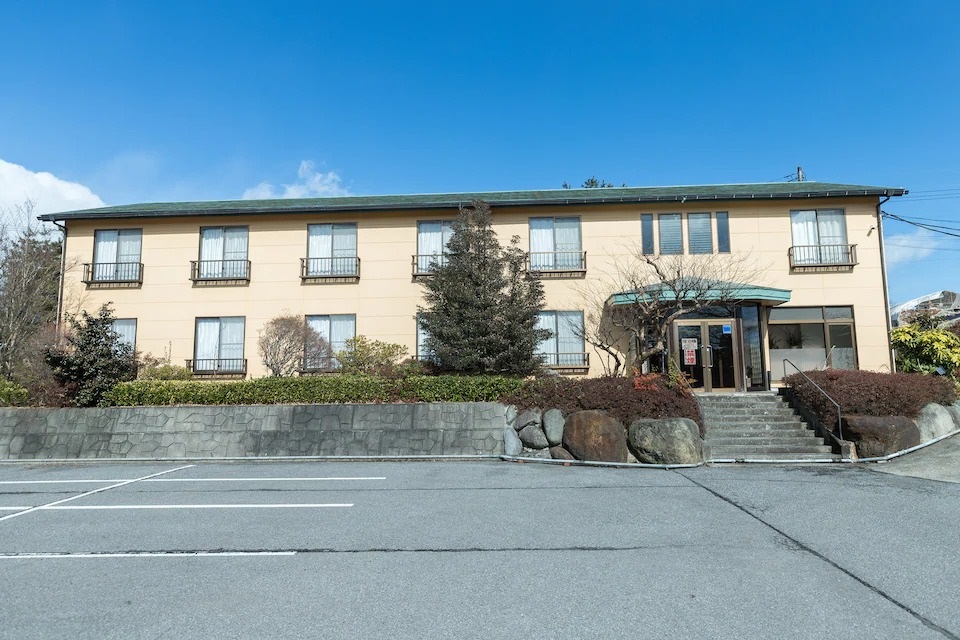

Choose a ryokan by how you bathe
Onsen towns are often rural with patchy Wi-Fi and limited public transport. Sort out data, tours and a car before you go.
- Japan eSIMAiralo
- Japan eSIMYesim
- Tours, passes & transfersGetYourGuide
- Tours, passes & transfersKKday
- Car rentalDiscover Cars
Includes affiliate links
References
Related Articles