Shiobara Onsen-go is known for its Chloride Spring — well suited to Skin Beauty, Wound Healing. Choose an inn by spring type, benefits and amenities, and book directly.
See inns in Shiobara Onsen-goOn this page you can filter Shiobara Onsen-go inns by spring type, benefits, tattoo-friendly, private bath and in-room open-air bath, and book on each property's Agoda or Rakuten page.
Compare & book inns in Shiobara Onsen-go
Awaiting analysis(6)
Overview
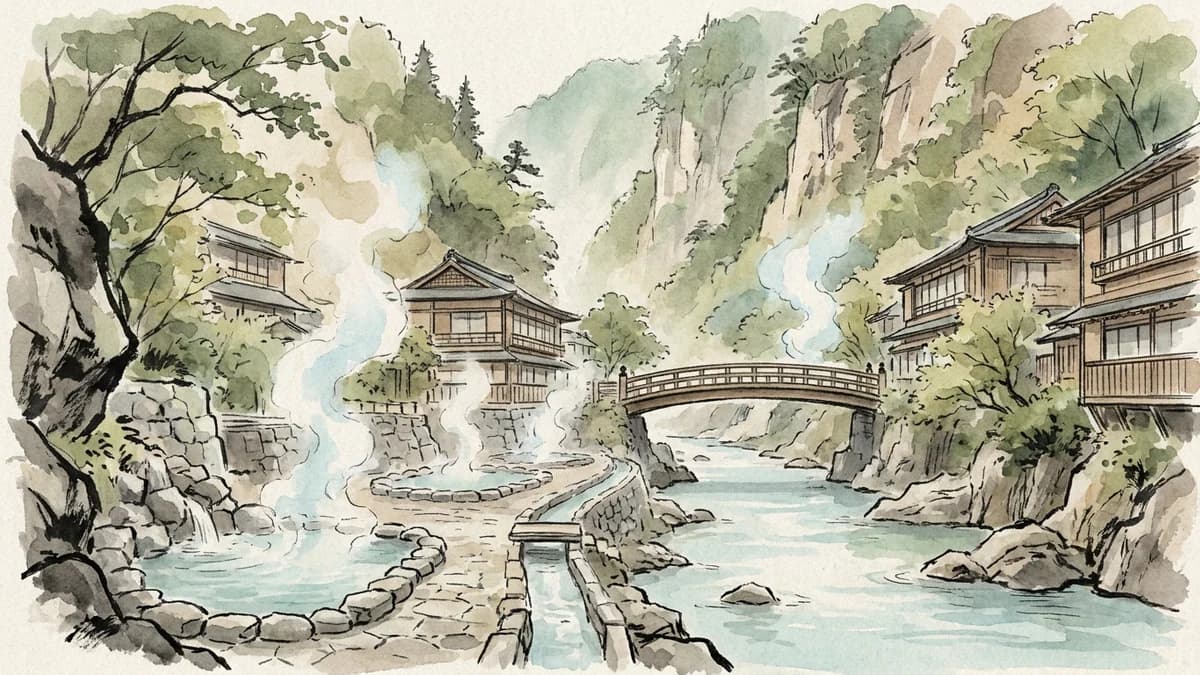
The history of Shiobara Onsen-go dates back approximately 1,200 years to its discovery in 806. A string of unique hot spring areas, known as the "Shiobara Eleven Spas," lines the Hoki River valley and has long been cherished as a therapeutic retreat. During the Meiji era, it was visited by famous literary figures like Natsume Soseki and Ozaki Koyo, who immortalized its beautiful nature in their works.
The greatest feature of this onsen village is the diversity of its spring water. From over 150 sources flow the "seven-colored springs," which vary in appearance and benefits, ranging from clear to milky white, greenish, and even black. It is rare in Japan to find a single onsen area offering such a wide variety of waters, making every visit a new discovery. Exploring the different springs to find the one that suits you best is a unique pleasure of Shiobara.
Key Spring Types and Benefits
While Shiobara offers a wide variety of spring types, Chloride and Bicarbonate springs are particularly common. Chloride springs, also known as "netsu-no-yu" (warming springs), coat the skin with salt, which helps retain body heat and provides a sense of restorative warmth. Bicarbonate springs are famous as "bihada-no-yu" (springs for beautiful skin) as they help to soften the skin, leaving it feeling silky smooth.
- CutsThe mineral components in the water, particularly the salts, are believed to have a mild cleansing and disinfecting effect. Soaking in the onsen can help keep minor cuts clean and support the body's natural healing process.
- Poor circulationThe thermal energy from the hot spring water warms the body, causing blood vessels to dilate. This improves blood flow, especially to the hands and feet, which may help alleviate issues related to poor peripheral circulation.
- Dry skinThe salt and other mineral components create a "veil" on the skin's surface after bathing. This coating helps to prevent the evaporation of moisture, leaving the skin feeling hydrated and helping to alleviate dryness.
- Autonomic instability
- Peripheral circulatory disorders
Water Characteristics and Best Season to Visit
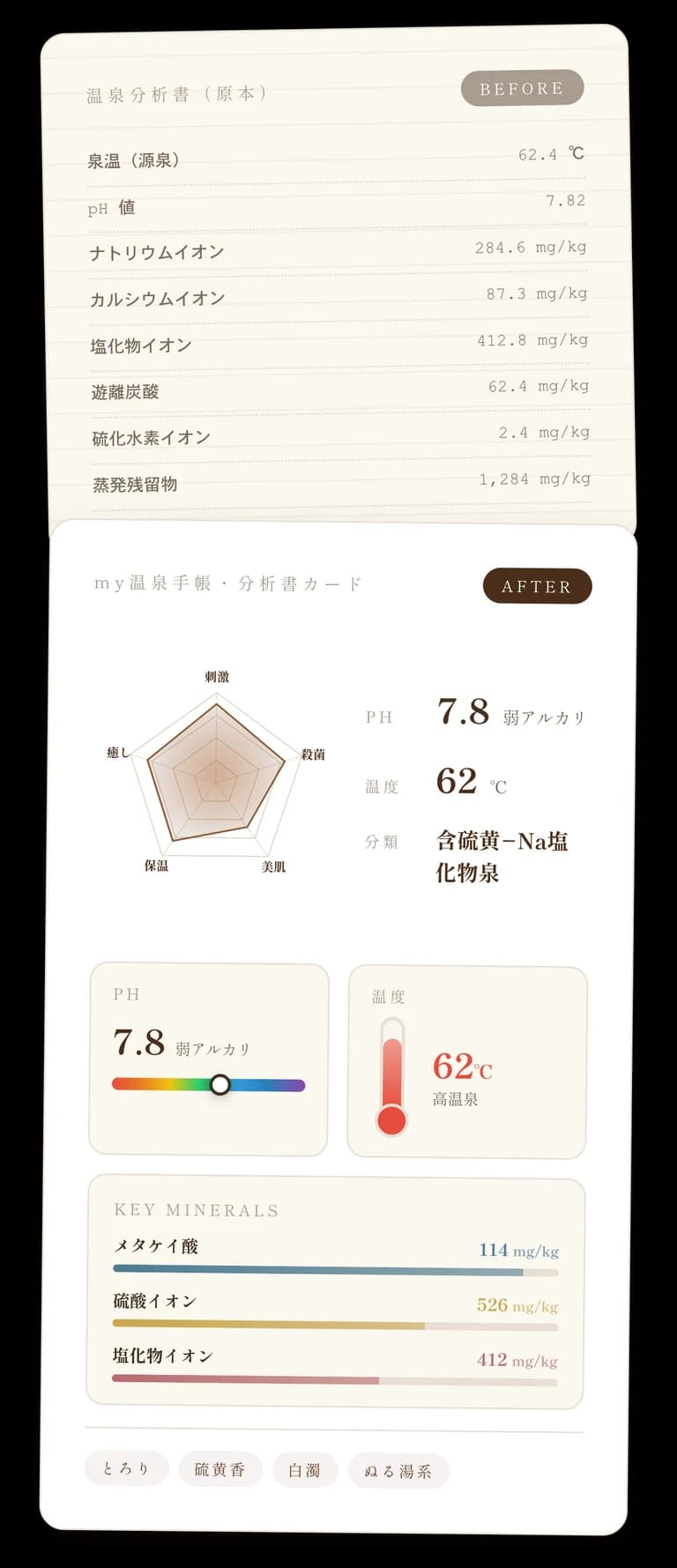
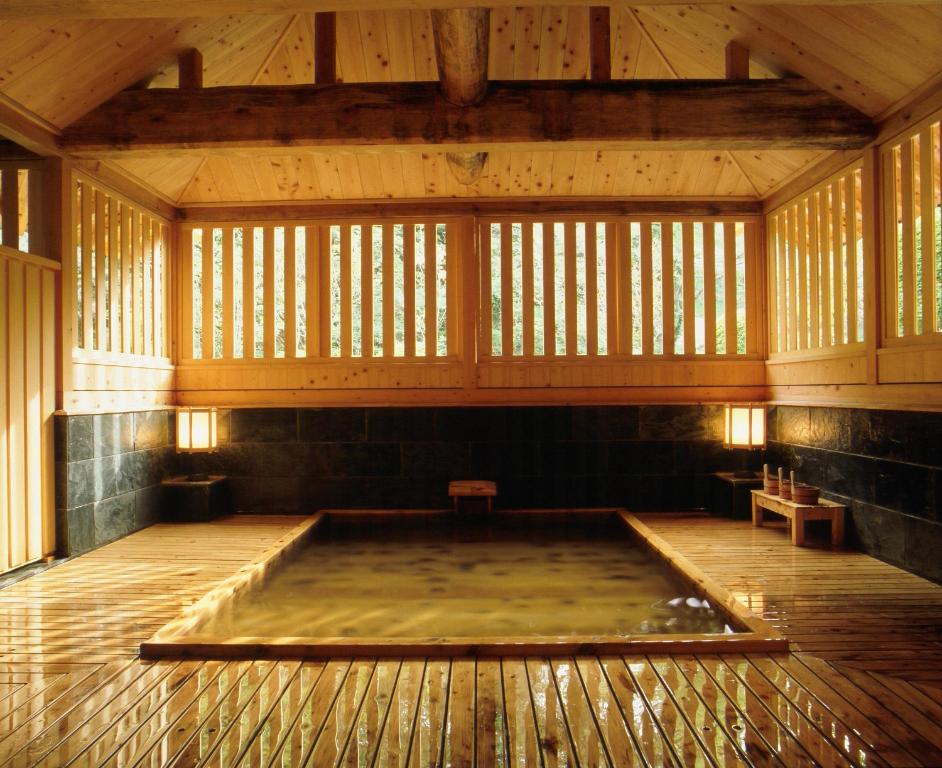
Boasting an abundant flow of about 10,000 liters per minute, many ryokans and day-use onsen facilities offer fresh, free-flowing spring water (gensen kakenagashi). The water temperature varies by source but is generally between 40°C and 60°C, often served at the perfect temperature without adding cold water or reheating.
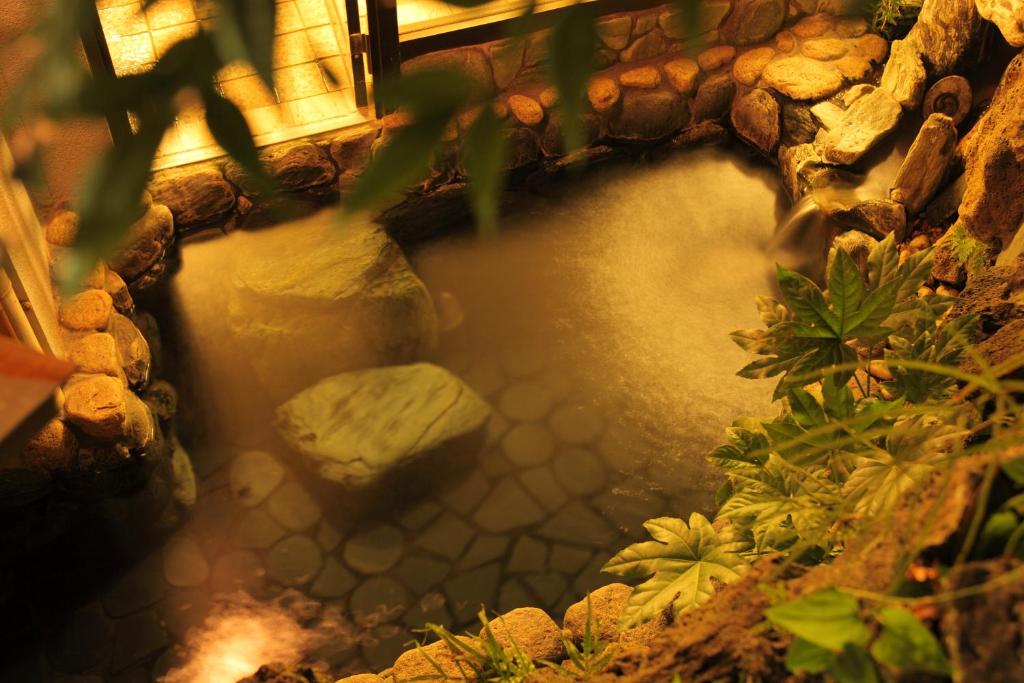
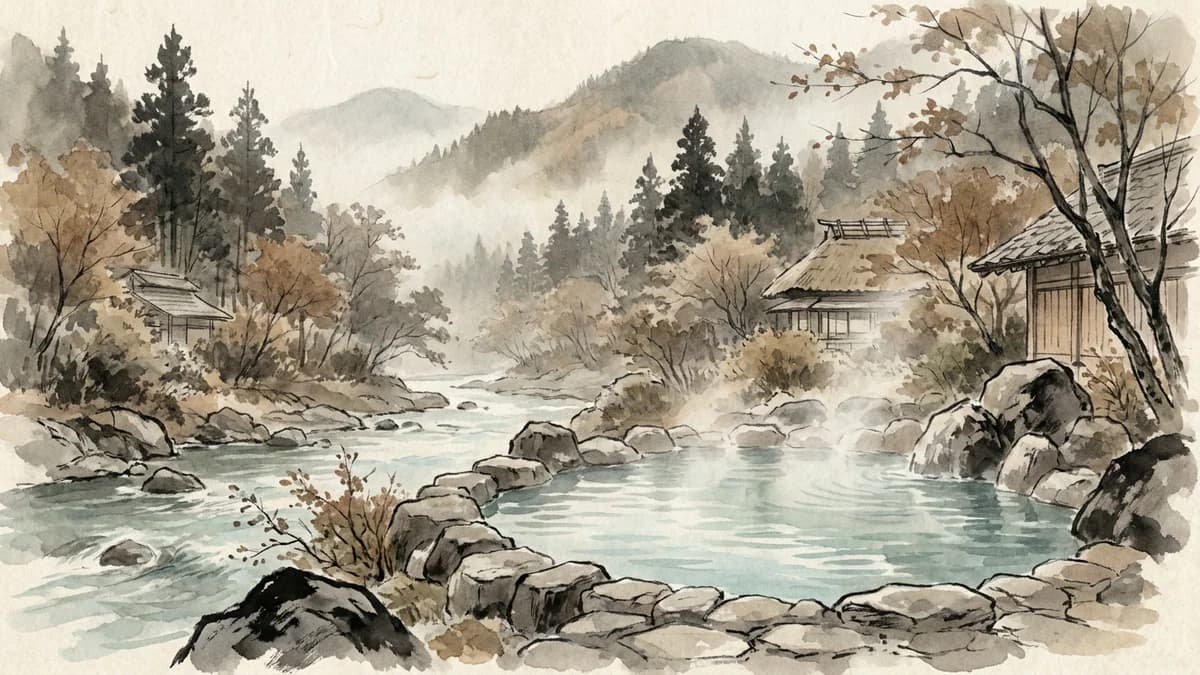
Shiobara is charming year-round with its beautiful valley scenery, but the best times to visit are early summer (May-June) for the brilliant fresh greenery, and autumn (late October to mid-November) when the entire valley is ablaze with fall colors. An open-air bath (rotenburo) with these stunning views is an exceptional experience.
Access
Nearby Sightseeing and Local Cuisine
- Momijidani Otsuribashi: A 320-meter-long pedestrian suspension bridge, one of the longest in Japan, offering spectacular views, especially during autumn.
- Ryuka no Taki Waterfall: One of Shiobara's ten famous waterfalls, named for its three-tiered cascade that resembles a dragon ascending to the heavens.
- Shiobara Monogatarikan Museum: Exhibits materials related to literary figures associated with Shiobara. Also has a footbath.
- Soup-iri Yakisoba: A local specialty of stir-fried noodles in a chicken or soy-based soup.
- Toteyaki: A trumpet-shaped, crepe-like snack filled with cream, fruit, and other ingredients.
- Senbonmatsu Farm: A large farm where you can interact with animals and enjoy fresh dairy products.
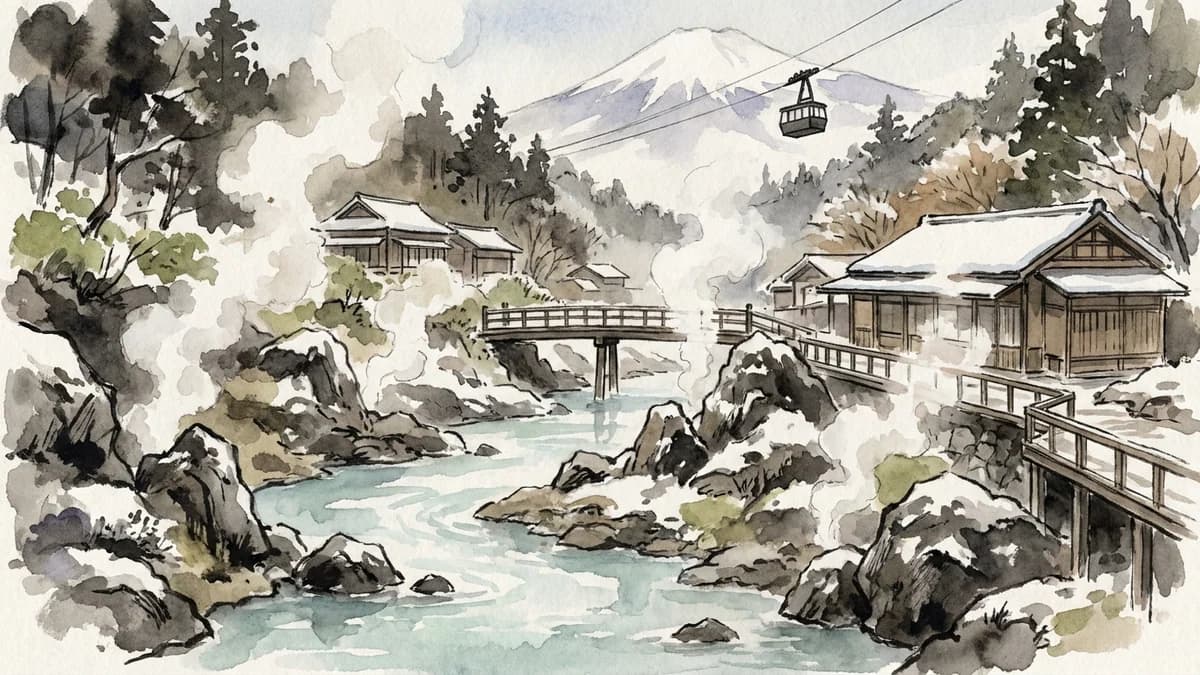
- Hunter Mountain Shiobara: A resort for skiing in winter and enjoying a lily park and gondola rides in summer.
MORE WITH THE SAME SPRING TYPE
Loved the Chloride Spring of Shiobara Onsen-go? Try these too
Picked from onsen across Japan where you can enjoy the same Chloride Spring.
Q & A
Frequently Asked Questions
Tap any question to expand the answer
Can I narrow down to only inns with a hot-spring analysis in Shiobara Onsen-go?
Can I find tattoo-friendly inns with private baths or in-room open-air baths in Shiobara Onsen-go?
References
Famous Onsen Areas with Chloride Spring
Check access and tourist information on each onsen area column
Related Articles