Kita Onsen Ai no Yu
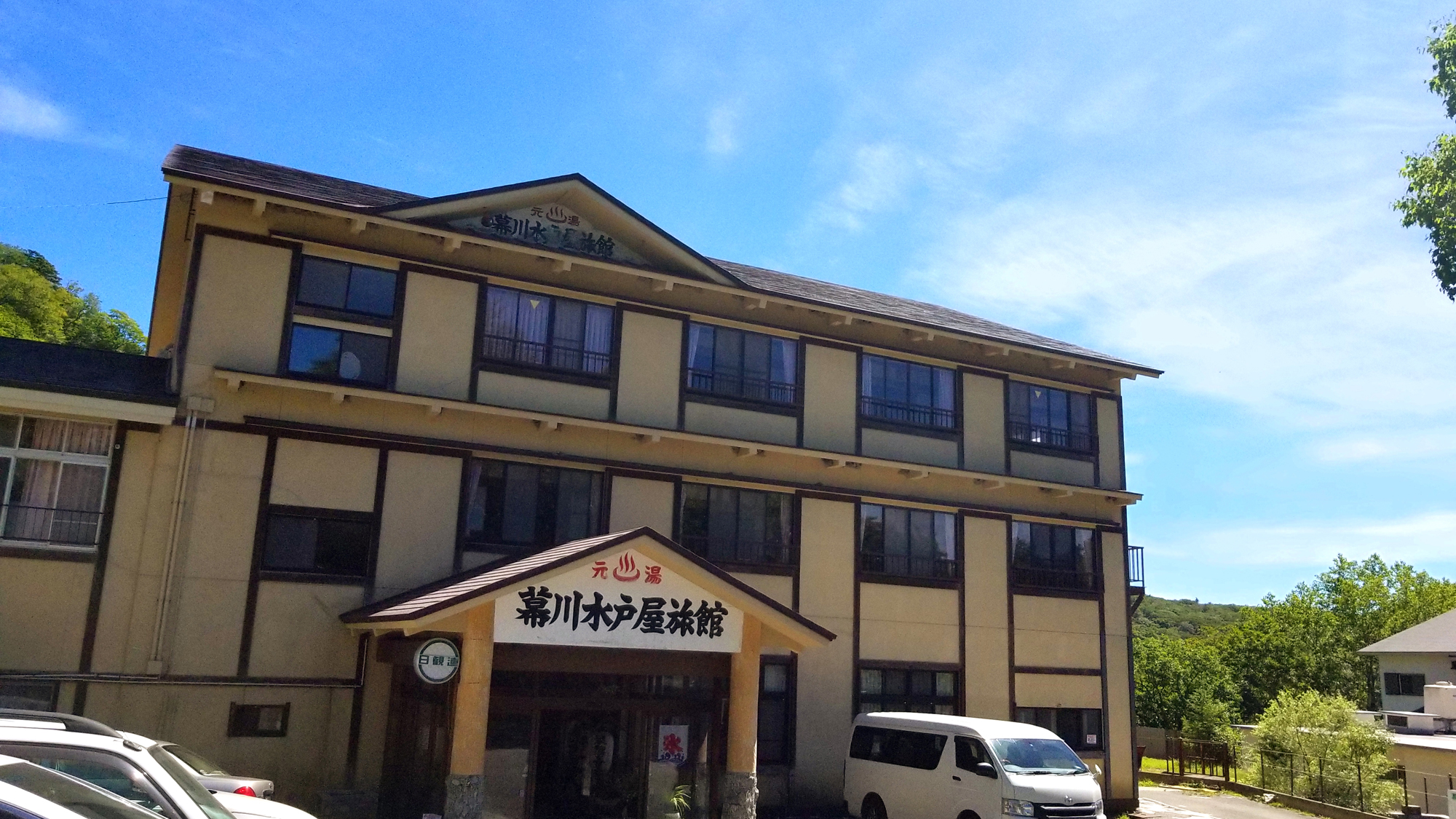
Analysis UnverifiedThis is the water of a bathing retreat in a valley near the source of the Yosasa River, at the very end of the Nasu hot spring area. Legend says a great tengu found the springs here around 770, and the site once served as a training ground for mountain ascetics. Ai no Yu is drawn into a Meiji-era bathhouse whose name recalls that it was once the only mixed bath. Rising naturally at 85.3 L/min and brimming over the tub's edge, it suits those who want to lose track of time at a mountain toji retreat.
The bar length shows how abundant each component is compared to thresholds that make it "distinctive" (therapeutic spring standards, beauty spring criteria, etc.).
A natural moisturizer also used in skincare lotions. Forms a thin veil on the skin to reduce moisture loss after bathing.
A trace component with gentle antibacterial and anti-inflammatory action.
Transdermal absorption gently supports skin hydration and muscle relaxation.
Scores are calculated from mineral analysis data based on the Mineral Spring Analysis Guidelines (Ministry of Environment, Japan). They are unrelated to facility atmosphere or service quality.
▸Note
The temperature, pH and component values shown here are based on the hot spring analysis (source). Actual values in the bath may differ depending on heating, dilution, recycling and filtration. Please check current usage status at the facility.
The source is hot at 50.1°C, especially near the inlet, so pour water over yourself before entering. The neutral pH 6.9 water is gentle, but winters in the mountains are cold, so stay warm afterward.
With 202.7 mg/kg of metasilicic acid, the water is said to leave skin moist and smooth for a silky skin feel, and a slow soak in this gentle neutral spring invites deep relaxation in the quiet valley.
Avoid bathing during acute illness or with serious heart or kidney conditions. Mind the hot water temperature, and do not bathe right after drinking alcohol or eating.
※ See the analysis data below for detailed contraindications
ANALYSIS DATAView all analysis fields ▼
Source Info
- Source name
- Kita Onsen Ai no Yu
- Spring type
- Simple Hot Spring
- Source temperature
- 50.1℃
- pH
- 6.9
- Flow rate
- 85.3 L/min
- Flow type
- 自然湧出
- Osmotic pressure
- 低張性
Analysis Document
- Analysis date
- 2015-11-09
- Analyst organization
- 一般社団法人栃木県薬剤師会
- Registration No.
- 14栃薬1号
Cations
- Sodium ion Na⁺
- 45.4 mg/kg
- Potassium ion K⁺
- 9.2 mg/kg
- Magnesium ion Mg²⁺
- 14.1 mg/kg
- Calcium ion Ca²⁺
- 50.6 mg/kg
- Manganese ion Mn²⁺
- 0.50 mg/kg
- Iron(II) ion Fe²⁺
- 0.40 mg/kg
- Lead ion Pb²⁺
- < 0.01 mg/kg
- Copper ion Cu²⁺
- < 0.01 mg/kg
- Cadmium ion Cd²⁺
- < 0.01 mg/kg
- Total cations
- 0.12 mg/kg
Anions
- Chloride ion Cl⁻
- 2.2 mg/kg
- Sulfate ion SO₄²⁻
- 140 mg/kg
- Bicarbonate ion HCO₃⁻
- 184 mg/kg
- Nitrate ion NO₃⁻
- 0.30 mg/kg
- Hydrogen phosphate HPO₄²⁻
- 0.10 mg/kg
- Total anions
- 0.33 mg/kg
Undissociated Components
- Metasilicic acid H₂SiO₃
- 203 mg/kg
- Metaboric acid HBO₂
- 1.8 mg/kg
- Total undissociated
- 0.20 mg/kg
Dissolved Gas
- Free carbon dioxide CO₂
- 34.8 mg/kg
- Total dissolved gas
- 0.03 mg/kg
Totals
- Total dissolved substances
- 0.65 mg/kg
- Component total
- 0.69 mg/kg
- Evaporation residue
- 0.53 mg/kg
Usage
- Usage status
- Unknown
Indications & Contraindications
- Bathing indications
- Autonomic instability, Insomnia, Depression
- General indications
- High blood pressure (mild), Rheumatoid arthritis, Chronic pain or stiffness in muscles and joints, Muscle stiffness due to motor paralysis, Gastrointestinal dysfunction
- Contraindications
- Acute illness (especially with fever), Active tuberculosis, Malignant tumors, Severe heart disease, Respiratory failure, Renal failure, Bleeding disorders, Severe anemia, Any actively progressing illness, Pregnancy (especially early and late stages)
Drinking
- Drinkability
- Not drinkable