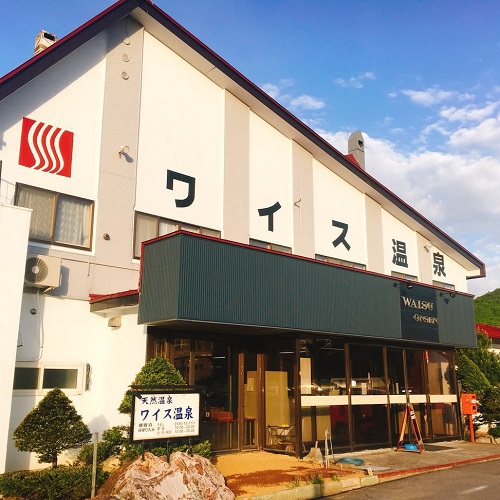
Niseko Cho Gensen
Analysis VerifiedThe Niseko-cho source is pump-lifted from the base of Niseko Annupuri International Ski Resort. Developed by the Hokkaido Chuo Bus Group, its colorless, clear waters are widely supplied to nearby hot spring facilities. Drawn from abundant natural forests, this spring offers a soft touch and provides restorative warmth, gently heating the body to its core. A subtle salt veil envelops the skin, leaving a lasting warmth that offers deep relaxation for bodies fatigued from outdoor activities. It is highly recommended for those seeking rejuvenation amidst grand nature.
The bar length shows how abundant each component is compared to thresholds that make it "distinctive" (therapeutic spring standards, beauty spring criteria, etc.).
A natural moisturizer also used in skincare lotions. Forms a thin veil on the skin to reduce moisture loss after bathing.
A trace component with gentle antibacterial and anti-inflammatory action.
Transdermal absorption gently supports skin hydration and muscle relaxation.
- Chloride (salt)250 mg/kg
- Feel
- Tastes salty; the warmth lasts after you get out.
- Said to
- Salt is said to form a film on the skin that keeps in heat and moisture. Bathing indications include cuts, poor circulation and dry skin.
- Note
- May sting cuts. Strong salty water can tire you—avoid long soaks.
- Bicarbonate (baking soda)520 mg/kg
- Feel
- Your skin feels smooth and silky.
- Said to
- Said to remove old skin cells and excess sebum. Bathing indications include cuts, poor circulation and dry skin.
- Note
- It can leave skin dry—moisturize after bathing.
- Sulfate365 mg/kg
- Feel
- Your skin feels moist; the water may taste slightly bitter.
- Said to
- Said to retain heat well and help heal cuts. Bathing indications include cuts and dry skin.
- Note
- It warms you well—do not stay in too long.
- Metasilicic acid249 mg/kg
- Feel
- Your skin may feel smoother.
- Said to
- 50 mg/kg or more is said to mark a “skin-beautifying spring”; it is also used in skincare.
- Note
- The “skin-beautifying” label is a common rule of thumb, not a legal standard.
- Source temperature58.9℃
- Feel
- The source is 42°C or hotter; the bath may be on the hot side.
- Said to
- Heat is said to boost circulation and warm the body.
- Note
- Older people and those with high blood pressure or heart conditions should avoid baths of 42°C or more. Keep soaks short.
Effects are general descriptions based on the Ministry of the Environment’s indications by spring type, not a guarantee.
Scores are calculated from mineral analysis data based on the Mineral Spring Analysis Guidelines (Ministry of Environment, Japan). They are unrelated to facility atmosphere or service quality.
▸Note
The temperature, pH and component values shown here are based on the hot spring analysis (source). Actual values in the bath may differ depending on heating, dilution, recycling and filtration. Please check current usage status at the facility.
With a high source temperature of 58.9°C, the water is adjusted for comfortable bathing depending on the facility. To fully enjoy the smooth texture of this bicarbonate spring, gently soak without over-scrubbing, and apply moisturizer promptly after your bath.
Featuring a neutral pH of 7.2 and 248.7 mg/kg of skin-smoothing metasilicic acid, this spring acts as a natural beauty serum. The added sulfate and chloride components lock in heat, making it perfect for warming a chilled body after winter sports or relieving chronic joint pain and poor circulation.
Avoid bathing if you have acute illnesses, active tuberculosis, or severe heart conditions. When drinking, limit intake to 100-200ml per serving and avoid consumption between dinner and bedtime.
※ See the analysis data below for detailed contraindications
ANALYSIS DATAView all analysis fields ▼
Source Info
- Source name
- Niseko Cho Gensen
- Spring type
- ナトリウム-炭酸水素塩・硫酸塩・塩化物温泉
- Old spring type name
- 含芒硝・食塩-重曹泉
- Source temperature
- 58.9℃
- pH
- 7.2
- Flow rate
- 200 L/min
- Flow type
- 動力揚湯
- Osmotic pressure
- 低張性
Analysis Document
- Analysis date
- 2012-09-19
- Analyst organization
- 日本衛生株式会社
- Registration No.
- 北海道第11号
Cations
- Hydrogen ion H⁺
- 0.00 mg/kg
- Lithium ion Li⁺
- 0.00 mg/kg
- Sodium ion Na⁺
- 377 mg/kg
- Potassium ion K⁺
- 39.8 mg/kg
- Ammonium ion NH₄⁺
- 1.7 mg/kg
- Magnesium ion Mg²⁺
- 44.2 mg/kg
- Calcium ion Ca²⁺
- 55.5 mg/kg
- Iron(II) ion Fe²⁺
- 0.50 mg/kg
- Iron(III) ion Fe³⁺
- 0.00 mg/kg
- Zinc ion Zn²⁺
- 0.01 mg/kg
- Lead ion Pb²⁺
- 0.00 mg/kg
- Strontium ion Sr²⁺
- 0.00 mg/kg
- Barium ion Ba²⁺
- 0.00 mg/kg
- Cadmium ion Cd²⁺
- 0.00 mg/kg
- Total cations
- 518 mg/kg
Anions
- Chloride ion Cl⁻
- 250 mg/kg
- Hydroxide ion OH⁻
- 0.00 mg/kg
- Hydrogen sulfide ion HS⁻
- 0.10 mg/kg
- Thiosulfate ion S₂O₃²⁻
- 0.00 mg/kg
- Sulfate ion SO₄²⁻
- 365 mg/kg
- Bicarbonate ion HCO₃⁻
- 520 mg/kg
- Carbonate ion CO₃²⁻
- 0.50 mg/kg
- Bromide ion Br⁻
- 0.00 mg/kg
- Iodide ion I⁻
- 0.00 mg/kg
- Hydrogen sulfate HSO₄⁻
- 0.00 mg/kg
- Hydrogen thiosulfate HS₂O₃⁻
- 0.00 mg/kg
- Nitrite ion NO₂⁻
- 0.00 mg/kg
- Nitrate ion NO₃⁻
- 0.00 mg/kg
- Dihydrogen phosphate H₂PO₄⁻
- 0.00 mg/kg
- Hydrogen phosphate HPO₄²⁻
- 0.00 mg/kg
- Sulfide ion S²⁻
- 0.00 mg/kg
- Hydrogen metasilicate HSiO₃⁻
- 0.00 mg/kg
- Metasilicate ion SiO₃²⁻
- 0.00 mg/kg
- Metaborate ion BO₂⁻
- 0.00 mg/kg
- Total anions
- 1136 mg/kg
Undissociated Components
- Sulfuric acid H₂SO₄
- 0.00 mg/kg
- Phosphoric acid H₃PO₄
- 0.00 mg/kg
- Arsenious acid HAsO₂
- 0.00 mg/kg
- Metasilicic acid H₂SiO₃
- 249 mg/kg
- Metaboric acid HBO₂
- 8.6 mg/kg
- Total undissociated
- 257 mg/kg
Dissolved Gas
- Free carbon dioxide CO₂
- 63.9 mg/kg
- Free hydrogen sulfide H₂S
- 0.00 mg/kg
- Total dissolved gas
- 63.9 mg/kg
Totals
- Total dissolved substances
- 1912 mg/kg
- Component total
- 1976 mg/kg
- Evaporation residue
- 1549 mg/kg
Usage
- Heating
- No
- Dilution
- Yes
- Recycle / Filter
- No
- Additives
- No
- Disinfection
- No
Indications & Contraindications
- Bathing indications
- Cuts and grazes, Peripheral circulatory failure, Poor circulation, Depression, Xeroderma
- General indications
- High blood pressure (mild), Rheumatoid arthritis, Autonomic instability, Insomnia, Chronic pain or stiffness in muscles and joints, Muscle stiffness due to motor paralysis, Gastrointestinal dysfunction
- Drinking indications
- Atrophic gastritis, Constipation, Gastroduodenal ulcers, Reflux esophagitis, Impaired glucose tolerance (diabetes), Hyperuricemia (gout), Biliary tract disease, Dyslipidemia (high cholesterol)
- Contraindications
- Acute illness (especially with fever), Active tuberculosis, Malignant tumors, Severe heart disease, Respiratory failure, Renal failure, Bleeding disorders, Severe anemia, Any actively progressing illness, Pregnancy (especially early and late stages)
Drinking
- Drinkability
- Drinkable
- Drinking notes
- The general serving size for drinking is about 100-200ml, with an initial daily limit of 200-400ml. Please avoid drinking from after dinner until bedtime.