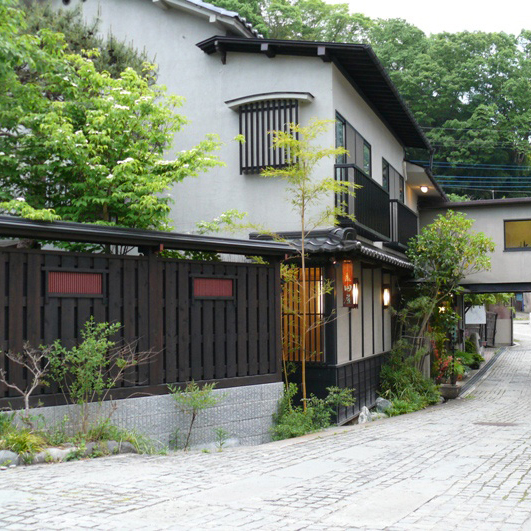
Hoshi Onsen (Asahi no Yu)
Analysis UnverifiedWith a history stretching back to the Meiji era, Hoshi Onsen's "Asahi no Yu" source is a natural gift, bubbling up directly from the earth. The alkaline water, with a pH of 8.5, is gentle on the skin, while the perfect 41.5°C temperature slowly melts away physical and mental tension. The warming effects of the sulfate spring provide lasting warmth long after you leave the bath. This onsen embraces those seeking to forget daily clamor, reconnect with themselves in tranquility, and reset mind and body amidst history and nature.
The bar length shows how abundant each component is compared to thresholds that make it "distinctive" (therapeutic spring standards, beauty spring criteria, etc.).
A trace component with gentle antibacterial and anti-inflammatory action.
Scores are calculated from mineral analysis data based on the Mineral Spring Analysis Guidelines (Ministry of Environment, Japan). They are unrelated to facility atmosphere or service quality.
▸Note
The temperature, pH and component values shown here are based on the hot spring analysis (source). Actual values in the bath may differ depending on heating, dilution, recycling and filtration. Please check current usage status at the facility.
The source temperature is a lukewarm 41.5°C, making it ideal for long, leisurely soaks. Take your time to fully experience the pure, unheated, and undiluted spring water. To prevent post-bath chills, avoid cooling down too quickly and allow your body to dry naturally.
The gentle alkaline water, with a pH of 8.5, is expected to soften old keratin on the skin, leading to silky skin. The main component, sulfate ions, provides restorative warmth that prevents post-bath chills and warms you from the core. For those troubled by daily fatigue or discomfort from cold, it may offer deep relaxation and comfort.
While the spring water is gentle, be mindful of overheating or dizziness from prolonged bathing. Take breaks as needed according to your physical condition.
※ See the analysis data below for detailed contraindications
ANALYSIS DATAView all analysis fields ▼
Source Info
- Source name
- Hoshi Onsen (Asahi no Yu)
- Spring type
- Calcium-Sodium Sulfate Hot Spring
- Source temperature
- 41.5℃
- pH
- 8.5
- Osmotic pressure
- Hypotonic
Analysis Document
- Analysis date
- 2016-03-29
- Analyst organization
- 一般社団法人群馬県薬剤師会
- Registration No.
- 第2号
Cations
- Sodium ion Na⁺
- 92.4 mg/kg
- Potassium ion K⁺
- 3.2 mg/kg
- Magnesium ion Mg²⁺
- 0.32 mg/kg
- Calcium ion Ca²⁺
- 262 mg/kg
- Aluminum ion Al³⁺
- 0.00 mg/kg
- Manganese ion Mn²⁺
- 0.10 mg/kg
- Iron(II) ion Fe²⁺
- 0.01 mg/kg
- Lead ion Pb²⁺
- 0.00 mg/kg
- Copper ion Cu²⁺
- 0.00 mg/kg
- Total cations
- 0.36 mg/kg
Anions
- Fluoride ion F⁻
- 0.70 mg/kg
- Chloride ion Cl⁻
- 103 mg/kg
- Sulfate ion SO₄²⁻
- 660 mg/kg
- Bicarbonate ion HCO₃⁻
- 6.4 mg/kg
- Carbonate ion CO₃²⁻
- 6.6 mg/kg
- Bromide ion Br⁻
- 0.60 mg/kg
- Arsenite ion AsO₂⁻
- 0.12 mg/kg
- Total anions
- 0.78 mg/kg
Undissociated Components
- Metasilicic acid H₂SiO₃
- 40.6 mg/kg
- Metaboric acid HBO₂
- 6.8 mg/kg
- Total undissociated
- 0.05 mg/kg
Dissolved Gas
- Free carbon dioxide CO₂
- 0.00 mg/kg
- Free hydrogen sulfide H₂S
- 0.00 mg/kg
- Total dissolved gas
- 0.00 mg/kg
Totals
- Total dissolved substances
- 1.2 mg/kg
- Component total
- 1.2 mg/kg
- Evaporation residue
- 1.3 mg/kg
Usage
- Heating
- No
- Dilution
- No
- Recycle / Filter
- No
- Additives
- No
- Disinfection
- No
Indications & Contraindications
- Bathing indications
- Cuts and grazes, Peripheral circulatory failure, Poor circulation, Depression, Xeroderma
- General indications
- High blood pressure (mild), Rheumatoid arthritis, Autonomic instability, Insomnia, Chronic pain or stiffness in muscles and joints, Muscle stiffness due to motor paralysis, Gastrointestinal dysfunction
- Contraindications
- Acute illness (especially with fever), Active tuberculosis, Malignant tumors, Severe heart disease, Respiratory failure, Renal failure, Bleeding disorders, Severe anemia, Any actively progressing illness, Pregnancy (especially early and late stages)
Drinking
- Drinkability
- Not drinkable