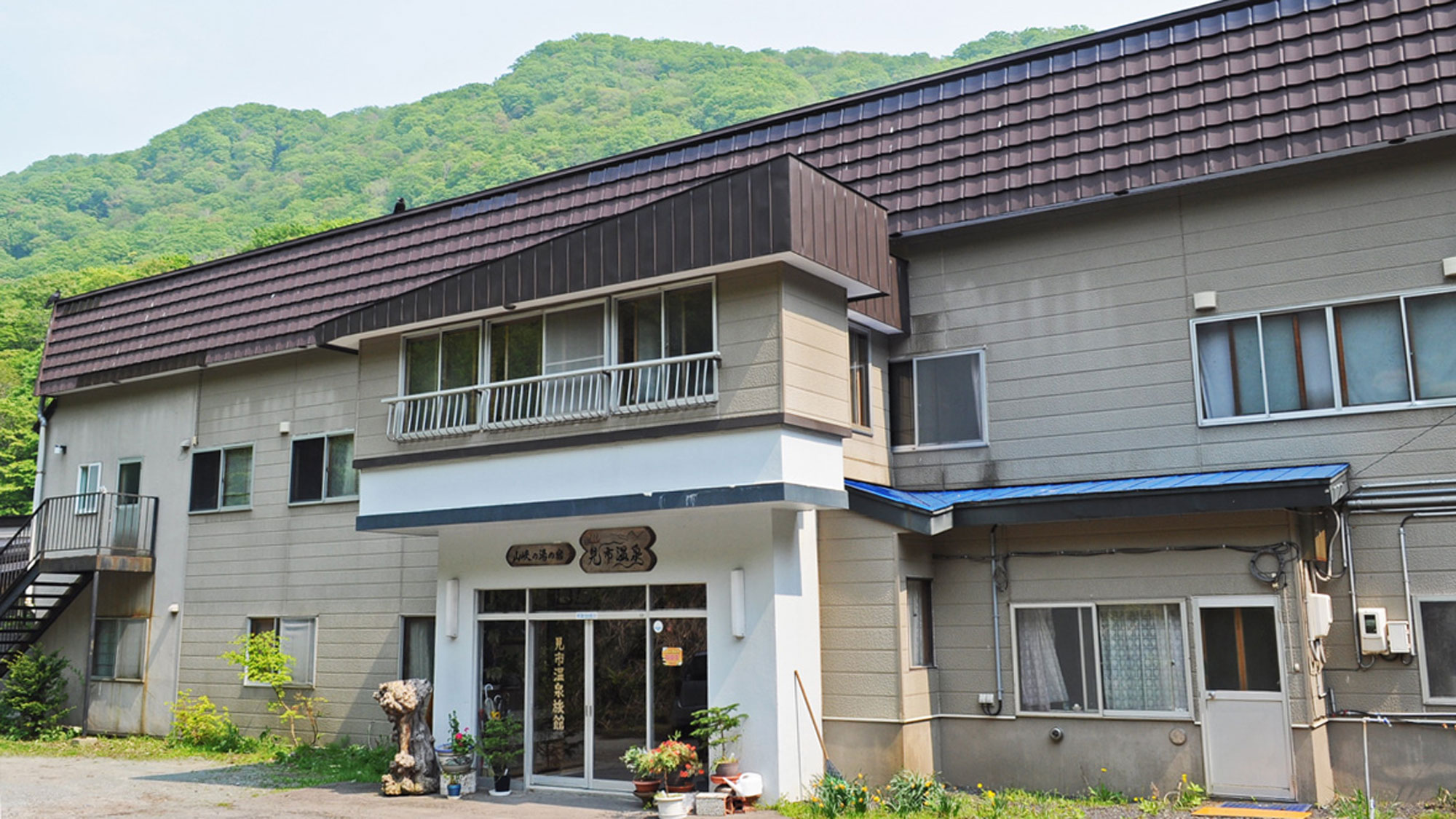
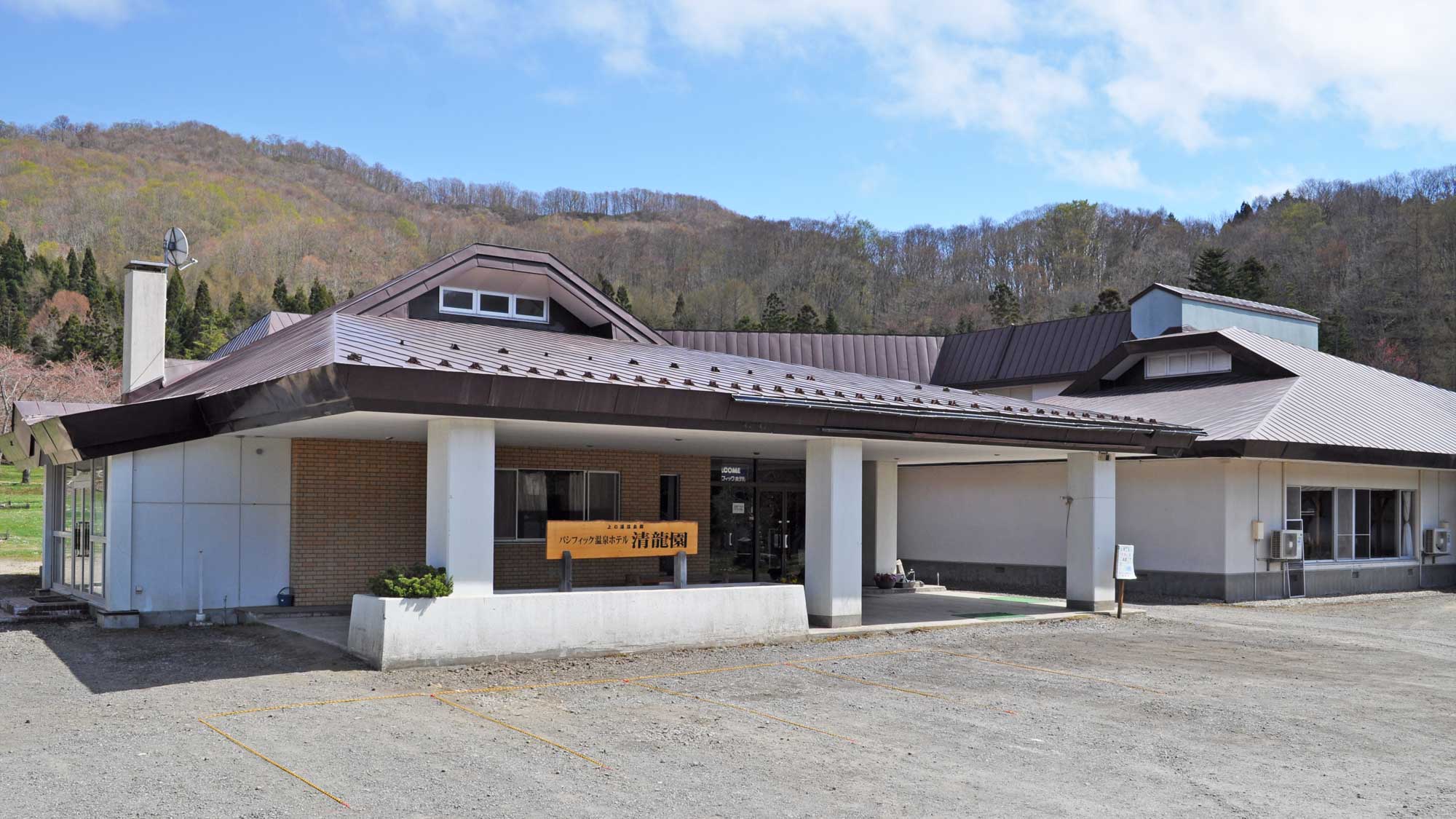
Hiratanai Onsen (Mixed Wells No. 5, 6, 10 and 11)

Analysis Unverified
平田内温泉(5・6・10・11号井の混合泉)
Mountain Salt Warmth

The natural hot pools of Hiratanai were known as early as 1706. In the 1970s, a town revitalization plan brought full-scale drilling, and water from wells No. 5, 6, 10 and 11 was combined into this mixed spring. It is a neutral salt spring with 991.1 mg of sodium and 1,588 mg of chloride, plus 518.4 mg of bicarbonate. Like a quiet, dependable mountain guardian, it warms you steadily to the core.

AI Generated
塩
SPRING TYPE
Chloride Spring
aka "熱の湯"

Salt content forms a protective barrier on the skin and prevents moisture and heat from escaping the body even after bathing. Boosts heat retention and has moisturizing effects.

See features & indications▾
Bathing indications
Cuts and grazesPeripheral circulatory failurePoor circulationDepressionXeroderma
Drinking indications
Atrophic gastritisConstipation

※ Only at facilities permitted to serve drinking water. 200–500 mL/day recommended.

Definition :Primary anion: chloride ion.
Source: 環境省「あんしん・あんぜんな温泉利用のいろは」(監修:日本温泉気候物理医学会) ↗Read full article
PH VALUE
6.5
Neutral
Acidic ← 07 Neutral14 → Alkaline
Neutral (pH 6-7.5) per Japan Ministry of Environment classification. The pH range gentlest on the skin, suitable for long bathing.
KEY MINERALS

The bar length shows how abundant each component is compared to thresholds that make it "distinctive" (therapeutic spring standards, beauty spring criteria, etc.).

Metaboric acidSee detail
52.5 mg/kg

Undissociated boric acid with antibacterial action that keeps the skin surface clean.

Metasilicic acidSee detail
120 mg/kg

A natural moisturizer also used in skincare lotions. Forms a thin veil on the skin to reduce moisture loss after bathing.

Bicarbonate ionSee detail
518 mg/kg

Softens dead skin cells for a silky bathing feel.

Chloride ionSee detail
1588 mg/kg

Boosts after-bath warmth and warms the body from the core.

Sodium ionSee detail
991 mg/kg

Gentle warming effect that helps you stay warm after bathing.

CHARACTER · COMPOSITION PROFILE
1234StimulationBactericidalSkin BeautyHeat RetentionRelaxation

Scores are calculated from mineral analysis data based on the Mineral Spring Analysis Guidelines (Ministry of Environment, Japan). They are unrelated to facility atmosphere or service quality.

USAGE
Usage status is unknown — Information from facility postings or official sites has not been confirmed. Please check with staff on site.
▸Note

The temperature, pH and component values shown here are based on the hot spring analysis (source). Actual values in the bath may differ depending on heating, dilution, recycling and filtration. Please check current usage status at the facility.

EFFECTS
Spring-specific indications (bathing)
Cuts and grazesPeripheral circulatory failurePoor circulationDepressionXeroderma
General indications (bathing)
High blood pressure (mild)Rheumatoid arthritisAutonomic instabilityInsomniaChronic pain or stiffness in muscles and jointsMuscle stiffness due to motor paralysisGastrointestinal dysfunction
Contraindications
Acute illness (especially with fever)Active tuberculosisMalignant tumorsSevere heart diseaseRespiratory failureRenal failureBleeding disordersSevere anemiaAny actively progressing illnessPregnancy (especially early and late stages)
BATHING TIPS
AI Generated

At pH 6.54 this neutral water is gentle, but chloride springs warm you strongly. Start with short soaks, take breaks and drink water afterward. Rinse only lightly at the end so the salt film keeps you warm.

EFFECT STORY
AI Generated

With 1,588 mg of chloride, this salt spring leaves a thin film on the skin that holds in heat, giving restorative warmth that lasts. Deep, steady warmth can also help relieve pain from stiff shoulders and lower back.

CAUTIONS
AI Generated

The strong warming effect can cause dizziness or dehydration during long soaks. People with acute illness or heart or blood pressure concerns should bathe briefly or avoid bathing. Drinking suitability is not confirmed.

※ See the analysis data below for detailed contraindications

ANALYSIS DATAView all analysis fields ▼

Source Info

Source name
Hiratanai Onsen (Mixed Wells No. 5, 6, 10 and 11)
Spring type
Sodium Chloride Spring (Neutral Hypotonic high-temperature hot spring)
Old spring type name
食塩泉
pH
6.54
Osmotic pressure
低張性

Analysis Document

Analysis date
1992-03-27
Analyst organization
北海道立衛生研究所

Cations

Sodium ion Na⁺
991 mg/kg
Potassium ion K⁺
136 mg/kg
Magnesium ion Mg²⁺
9.1 mg/kg
Calcium ion Ca²⁺
146 mg/kg
Aluminum ion Al³⁺
0.01 mg/kg
Manganese ion Mn²⁺
0.50 mg/kg
Iron(II) ion Fe²⁺
1.2 mg/kg
Total cations
1.3 mg/kg

Anions

Fluoride ion F⁻
0.40 mg/kg
Chloride ion Cl⁻
1588 mg/kg
Hydrogen sulfide ion HS⁻
0.00 mg/kg
Sulfate ion SO₄²⁻
85.6 mg/kg
Bicarbonate ion HCO₃⁻
518 mg/kg
Carbonate ion CO₃²⁻
0.20 mg/kg
Dihydrogen phosphate H₂PO₄⁻
0.10 mg/kg
Total anions
2.2 mg/kg

Undissociated Components

Metasilicic acid H₂SiO₃
120 mg/kg
Metaboric acid HBO₂
52.5 mg/kg
Total undissociated
0.17 mg/kg

Dissolved Gas

Free carbon dioxide CO₂
131 mg/kg
Free hydrogen sulfide H₂S
0.30 mg/kg
Total dissolved gas
0.13 mg/kg

Totals

Total dissolved substances
3.6 mg/kg
Component total
3.8 mg/kg

Usage

Usage status
Unknown

Indications & Contraindications

Bathing indications
Cuts and grazes, Peripheral circulatory failure, Poor circulation, Depression, Xeroderma
General indications
High blood pressure (mild), Rheumatoid arthritis, Autonomic instability, Insomnia, Chronic pain or stiffness in muscles and joints, Muscle stiffness due to motor paralysis, Gastrointestinal dysfunction
Contraindications
Acute illness (especially with fever), Active tuberculosis, Malignant tumors, Severe heart disease, Respiratory failure, Renal failure, Bleeding disorders, Severe anemia, Any actively progressing illness, Pregnancy (especially early and late stages)

Drinking

Drinkability
Not drinkable
FACILITY INFO
AI draft (unverified)
Official site
Hours
Weekdays: 11:00〜21:00
Weekends & holidays: 11:00〜21:00
Last admission: 20:30
Transit
From JR Hakodate Main Line Yakumo Station (JR Hakodate Honsen Yakumo Eki), take a bus (65 min), then walk 25 min after getting off at Kokumin Shukusha (National Lodge) bus stop. Alternatively, from JR Yakumo Station (JR Yakumo Eki), take a Yakumo Hire (Yakumo Haiya) taxi (reservation required, 0120-15-2175, reception hours 9:00-17:00) for approx. 50 min. By car, from Yakumo Interchange (Yakumo IC), take National Route 277 (Kokudo 277-go-sen) towards Kumaishi for 50 min.
Parking
Available (free), capacity for 100 cars.
Day use fee
¥500Children: 220 yen. Free for children aged 6 and under. Day-use bathers are requested to bring their own towels (Japanese hand towels are available for purchase, but no rentals). A separate hot spring tax of 150 yen per adult will be charged.
Facilities
Public BathOpen-air BathSaunaJacuzziCold Plunge BathRestaurantShopFree Wi-Fi
House rules
Day-use bathers are requested to bring their own towels (Japanese hand towels are available for purchase, but no rentals). Curfew is 22:00. Dinner starts at 18:00 or 18:30 and closes at 20:00 (we cannot prepare dinner if you arrive after 18:30). All rooms are non-smoking (please use the smoking area on the 1st floor if you wish to smoke). A separate hot spring tax of 150 yen per adult will be charged. An accommodation tax will be charged from April 1, 2026.
This information may change without notice. Please contact the facility directly for accurate details.
How Long to Stay (Toji)
Start with 2 nights / 3 days

Japan’s Ministry of the Environment notes that even a short stay refreshes you. For a full therapeutic cure, around 2–3 weeks is the guideline.

More on toji length
Stay at this hotel
PR

Onsen Hotel Yakumo Yurakutei Kumaishi Hiratanai-so

From¥8,700/ person / night (tax incl.)
3.8(54)

Approx. lowest rate (varies by date & guests)

Book on Rakuten Travel

Powered by Rakuten Travel

✨ The descriptions, catch phrases, and translations on this page are generated by AI (Claude). pH, temperature, and component values are OCR-extracted from the official analysis report. Learn more