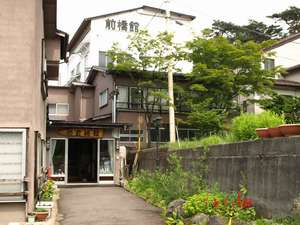
Yukawa no Yu
Analysis VerifiedYukawa Source, a hidden gem within Kusatsu Onsen—one of Japan's three famous hot springs—offers a distinct charm from Yubatake (Kusatsu's central hot-water field) and Bandaiko. Named after "Yukawa," a stream of acidic water, this source naturally gushes at a cool 31.9℃. Its gentle waters provide a refreshing, skin-tightening sensation, inviting prolonged, tranquil soaks. After bathing, sweat quickly recedes, imparting a clear and invigorating feeling. It is ideal for those who prefer cooler temperatures or wish to soothe summer heat, diligently preserved by the Yukawa Gensen Kanri Riyou Kyoudou Kumiai.
The bar length shows how abundant each component is compared to thresholds that make it "distinctive" (therapeutic spring standards, beauty spring criteria, etc.).
Strong astringent action that tightens skin. A key component of acidic springs, suited to oily or acne-prone skin.
A natural moisturizer also used in skincare lotions. Forms a thin veil on the skin to reduce moisture loss after bathing.
The aroma typical of sulfur springs, with circulatory and antibacterial effects.
- Acidic (pH)pH 2.4
- Feel
- May tingle on the skin; tastes sour.
- Said to
- Said to be strongly antibacterial. Bathing indications include atopic dermatitis and plaque psoriasis.
- Note
- Can irritate sensitive skin—rinse with fresh water after bathing. Keep it out of your eyes.
- Chloride (salt)170 mg/kg
- Feel
- Tastes salty; the warmth lasts after you get out.
- Said to
- Salt is said to form a film on the skin that keeps in heat and moisture. Bathing indications include cuts, poor circulation and dry skin.
- Note
- May sting cuts. Strong salty water can tire you—avoid long soaks.
- Sulfate424 mg/kg
- Feel
- Your skin feels moist; the water may taste slightly bitter.
- Said to
- Said to retain heat well and help heal cuts. Bathing indications include cuts and dry skin.
- Note
- It warms you well—do not stay in too long.
- Metasilicic acid165 mg/kg
- Feel
- Your skin may feel smoother.
- Said to
- 50 mg/kg or more is said to mark a “skin-beautifying spring”; it is also used in skincare.
- Note
- The “skin-beautifying” label is a common rule of thumb, not a legal standard.
Effects are general descriptions based on the Ministry of the Environment’s indications by spring type, not a guarantee.
Scores are calculated from mineral analysis data based on the Mineral Spring Analysis Guidelines (Ministry of Environment, Japan). They are unrelated to facility atmosphere or service quality.
▸Note
The temperature, pH and component values shown here are based on the hot spring analysis (source). Actual values in the bath may differ depending on heating, dilution, recycling and filtration. Please check current usage status at the facility.
With a strong acidity of pH 2.4, this water may cause irritation for those with sensitive skin or open wounds. Avoid long soaks and it is recommended to rinse off with fresh water after bathing. As the source temperature is low, it is typically enjoyed in heated baths.
With a pH of 2.4, this is one of Japan's most acidic springs, traditionally used for balneotherapy due to its sterilizing properties. This characteristic is associated with immune system stimulation and may soothe chronic skin conditions. Furthermore, with a high metasilicic acid content of 165 mg/kg, it may help promote skin metabolism, leading to silky skin.
Due to its strong acidity, caution is advised for those with sensitive skin or elderly individuals with dry skin. It will sting if it gets in your eyes. Rinse your body thoroughly after bathing.
※ See the analysis data below for detailed contraindications
ANALYSIS DATAView all analysis fields ▼
Source Info
- Source name
- Yukawa no Yu
- Spring type
- Acidic Aluminum Sulfate and Chloride Hot Spring
- Source temperature
- 31.9℃
- pH
- 2.4
- Flow type
- 自然湧出
- Osmotic pressure
- 低張性
Analysis Document
- Analysis date
- 2018-08-07
- Analyst organization
- 一般社団法人 群馬県薬剤師会
- Registration No.
- 群馬薬第2号
Cations
- Hydrogen ion H⁺
- 4.5 mg/kg
- Sodium ion Na⁺
- 33.4 mg/kg
- Potassium ion K⁺
- 15.8 mg/kg
- Magnesium ion Mg²⁺
- 21.4 mg/kg
- Calcium ion Ca²⁺
- 49.8 mg/kg
- Aluminum ion Al³⁺
- 33.0 mg/kg
- Manganese ion Mn²⁺
- 1.1 mg/kg
- Iron(II) ion Fe²⁺
- 11.0 mg/kg
- Lead ion Pb²⁺
- 0.00 mg/kg
- Copper ion Cu²⁺
- 0.00 mg/kg
- Total cations
- 170 mg/kg
Anions
- Fluoride ion F⁻
- 7.1 mg/kg
- Chloride ion Cl⁻
- 170 mg/kg
- Sulfate ion SO₄²⁻
- 424 mg/kg
- Hydrogen sulfate HSO₄⁻
- 63.8 mg/kg
- Total anions
- 665 mg/kg
Undissociated Components
- Sulfuric acid H₂SO₄
- 0.70 mg/kg
- Metasilicic acid H₂SiO₃
- 165 mg/kg
- Metaboric acid HBO₂
- 3.9 mg/kg
- Total undissociated
- 170 mg/kg
Dissolved Gas
- Free carbon dioxide CO₂
- 47.7 mg/kg
- Free hydrogen sulfide H₂S
- 0.90 mg/kg
- Total dissolved gas
- 48.6 mg/kg
Totals
- Total dissolved substances
- 1000 mg/kg
- Component total
- 1050 mg/kg
- Evaporation residue
- 1030 mg/kg
Usage
- Usage status
- Unknown
Indications & Contraindications
- Bathing indications
- Atopic dermatitis, Plaque psoriasis, Epidermal suppuration, Impaired glucose tolerance (diabetes), Cuts and grazes, Peripheral circulatory failure, Poor circulation, Depression, Xeroderma
- General indications
- High blood pressure (mild), Rheumatoid arthritis, Autonomic instability, Insomnia, Chronic pain or stiffness in muscles and joints, Muscle stiffness due to motor paralysis, Gastrointestinal dysfunction
- Contraindications
- Acute illness (especially with fever), Active tuberculosis, Malignant tumors, Severe heart disease, Respiratory failure, Renal failure, Bleeding disorders, Severe anemia, Any actively progressing illness, Pregnancy (especially early and late stages), Sensitive skin or mucous membranes, eye conditions (acidic springs)
Drinking
- Drinkability
- Not drinkable