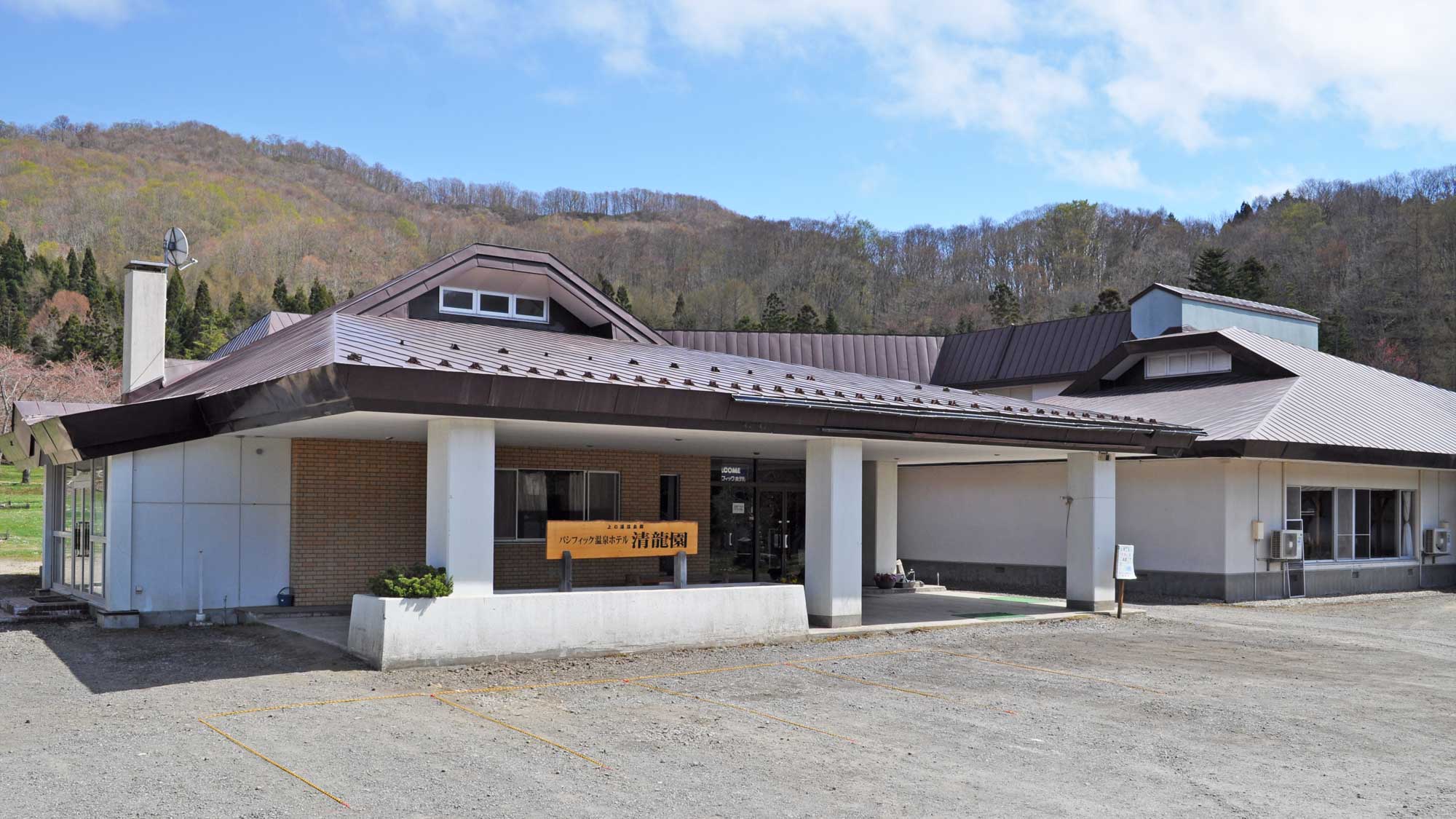
Kongoi
Analysis UnverifiedThe Kongoi source blends the waters of several wells at Kenichi Onsen, where dozens of springs gush along a 700-meter stretch of the Kenichi River in Kumaishi. Legend traces the spa to the Keio era of the late Edo period, when a wounded bear was seen steeping in a riverside pool; a bath keeper settled here in 1875. Nearly clear at the outlet, the water turns rusty amber as its iron oxidizes, and its salty warmth lingers long after bathing, suiting quiet, unhurried soaking.
The bar length shows how abundant each component is compared to thresholds that make it "distinctive" (therapeutic spring standards, beauty spring criteria, etc.).
A trace component with gentle antibacterial and anti-inflammatory action.
A natural moisturizer also used in skincare lotions. Forms a thin veil on the skin to reduce moisture loss after bathing.
Absorbed through the skin to gently promote peripheral circulation.
Scores are calculated from mineral analysis data based on the Mineral Spring Analysis Guidelines (Ministry of Environment, Japan). They are unrelated to facility atmosphere or service quality.
▸Note
The temperature, pH and component values shown here are based on the hot spring analysis (source). Actual values in the bath may differ depending on heating, dilution, recycling and filtration. Please check current usage status at the facility.
At 51.4°C the source runs hot, so pour water over yourself first and soak in rounds of about ten minutes. Chloride water holds heat well; drink water afterward and let the sweat settle before dressing.
With 2026 mg/kg of chloride, this sodium-chloride water leaves a thin salt film on the skin that is traditionally associated with Restorative warmth. Paired with a 51.4°C source temperature, it may support those seeking to Relieve pain from stiffness on chilly days.
The hot, salty source can cause dizziness with long soaks; bathe briefly if you have heart or blood-pressure concerns.
※ See the analysis data below for detailed contraindications
ANALYSIS DATAView all analysis fields ▼
Source Info
- Source name
- Kongoi
- Spring type
- Sodium Chloride Spring
- Old spring type name
- 弱食塩泉
- Source temperature
- 51.4℃
- pH
- 6.4
- Flow rate
- 83 L/min
- Flow type
- 自然湧出
- Osmotic pressure
- 低張性
Analysis Document
- Analysis date
- 2000-03-10
- Analyst organization
- 北海道立衛生研究所
Cations
- Sodium ion Na⁺
- 1108 mg/kg
- Potassium ion K⁺
- 237 mg/kg
- Ammonium ion NH₄⁺
- 0.40 mg/kg
- Magnesium ion Mg²⁺
- 21.5 mg/kg
- Calcium ion Ca²⁺
- 264 mg/kg
- Aluminum ion Al³⁺
- 0.01 mg/kg
- Manganese ion Mn²⁺
- 0.80 mg/kg
- Iron(II) ion Fe²⁺
- 4.2 mg/kg
- Zinc ion Zn²⁺
- 0.00 mg/kg
- Lead ion Pb²⁺
- not detected
- Copper ion Cu²⁺
- not detected
- Cadmium ion Cd²⁺
- not detected
- Total cations
- 1.6 mg/kg
Anions
- Fluoride ion F⁻
- 0.30 mg/kg
- Chloride ion Cl⁻
- 2026 mg/kg
- Hydrogen sulfide ion HS⁻
- 0.00 mg/kg
- Thiosulfate ion S₂O₃²⁻
- 0.00 mg/kg
- Sulfate ion SO₄²⁻
- 38.5 mg/kg
- Bicarbonate ion HCO₃⁻
- 707 mg/kg
- Carbonate ion CO₃²⁻
- 0.10 mg/kg
- Hydrogen phosphate HPO₄²⁻
- 0.20 mg/kg
- Total anions
- 2.8 mg/kg
Undissociated Components
- Metasilicic acid H₂SiO₃
- 125 mg/kg
- Metaboric acid HBO₂
- 40.0 mg/kg
- Total undissociated
- 0.16 mg/kg
Dissolved Gas
- Free carbon dioxide CO₂
- 550 mg/kg
- Free hydrogen sulfide H₂S
- 0.00 mg/kg
- Total dissolved gas
- 0.55 mg/kg
Totals
- Total dissolved substances
- 4.6 mg/kg
- Component total
- 5.1 mg/kg
- Evaporation residue
- 4.2 mg/kg
Usage
- Heating
- No
- Dilution
- No
- Recycle / Filter
- No
- Additives
- No
- Disinfection
- No
Indications & Contraindications
- Bathing indications
- Cuts and grazes, Peripheral circulatory failure, Poor circulation, Depression, Xeroderma
- General indications
- High blood pressure (mild), Rheumatoid arthritis, Autonomic instability, Insomnia, Chronic pain or stiffness in muscles and joints, Muscle stiffness due to motor paralysis, Gastrointestinal dysfunction
- Contraindications
- Acute illness (especially with fever), Active tuberculosis, Malignant tumors, Severe heart disease, Respiratory failure, Renal failure, Bleeding disorders, Severe anemia, Any actively progressing illness, Pregnancy (especially early and late stages)
Drinking
- Drinkability
- Not drinkable